The trains, designed to go up to 220 mph, will be able to take Brightline West passengers between Las Vegas and Southern California in less than two hours.




The trains, designed to go up to 220 mph, will be able to take Brightline West passengers between Las Vegas and Southern California in less than two hours.
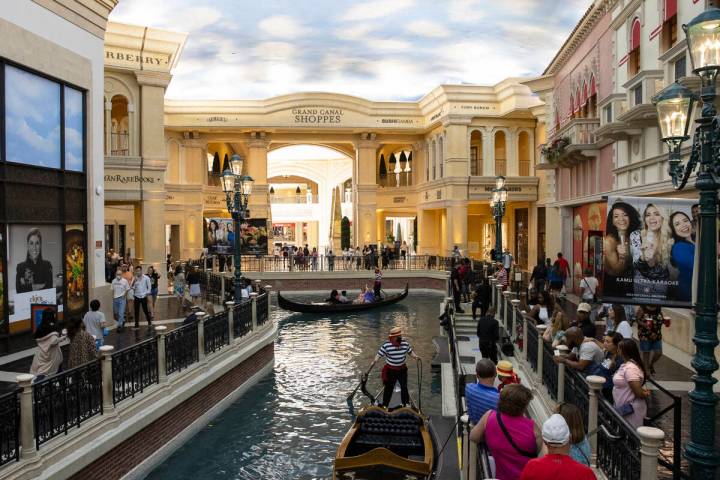
Now owned by Apollo Management Group, The Venetian paved the way for Las Vegas Sands’ integrated resorts in Macao and Singapore and is a model for the future.

Promoter Live Nation has announced the return of its annual “Concert Week,” which gives fans access to $25 tickets for music and comedy shows across the Las Vegas Strip.
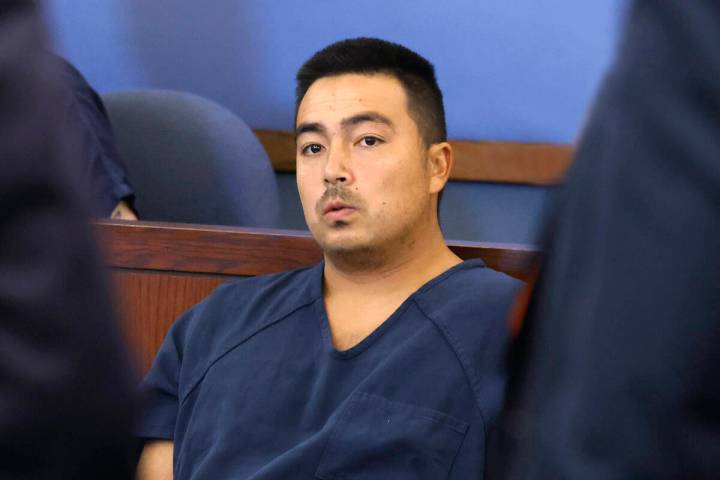
Colin Czech appeared in court days after he told police he ate parts of his alleged murder victim in Las Vegas.

Yes, the former president is the victim of prosecutorial overreach. But it shouldn’t take the threat of jail for him to know when to zip it.
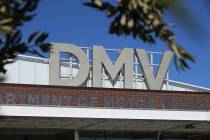
The Nevada Department of Motor Vehicles’ modernization of its computer system could take longer than anticipated and cost the state more than $300 million in additional funding.

Construction on the Westside Workforce Education and Training Center will begin in August and should be complete in a year.

The Golden Knights made several lineup changes for Game 5 of their first-round playoff series against the Dallas Stars, but still lost their third straight.
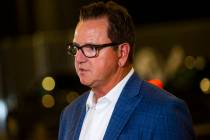
Scott Sibella, former president of MGM Grand and Resorts World, faces sentencing in California and is the subject of a Nevada Gaming Control Board complaint.
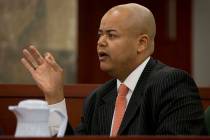
O.J. Simpson’s executor filed a petition on Wednesday to start probate proceedings, asking a judge to allow him to secure the estate’s assets.

Groups organized a “Walkout for Palestine” event in the amphitheater at UNLV, joining a growing list of groups protesting against the war in Gaza at college campuses.

A war of words between Canelo Alvarez and Oscar De La Hoya escalated during Wednesday’s news conference to promote Alvarez’s fight against Jaime Munguia.
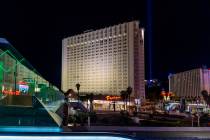
An executive explained why Bally’s is in no hurry to produce plans for a resort that would be attached to the Oakland Athletics’ stadium at the Tropicana site.

About 16,000 pounds of raw ground beef that was distributed to Walmart stores nationwide has been recalled, the U.S. Department of Agriculture announced Monday.

Creating a brand new business can be stressful, as there are so many important things you need to consider. When it comes to opening an e-shop, financing can be an overwhelming step. However, there are loans available to finance your Shopify store. With some research, you can get the right loan to get your business […]




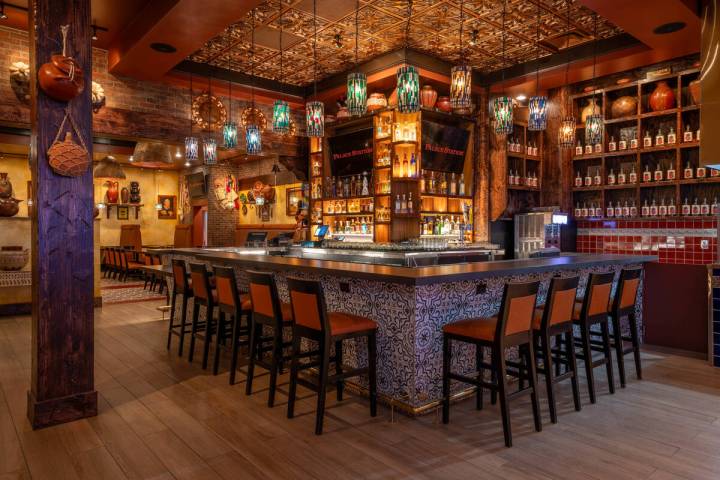
Lindo Michoacan is opening its fourth location in Las Vegas after it debuted on East Desert Inn Road almost 35 years ago.
A war of words between Canelo Alvarez and Oscar De La Hoya escalated during Wednesday’s news conference to promote Alvarez’s fight against Jaime Munguia.

The stained glass above the Tropicana’s former casino pit is being removed while the shuttered casino prepares for a fall demolition.

A man is facing seven felony charges after using a truck to attack two people at the Las Vegas retail center, according to a Metropolitan Police Department report.