Sasha Williams’ loved ones struggle to understand why someone would want to hurt the selfless artist described as having “a heart of gold.”




Sasha Williams’ loved ones struggle to understand why someone would want to hurt the selfless artist described as having “a heart of gold.”
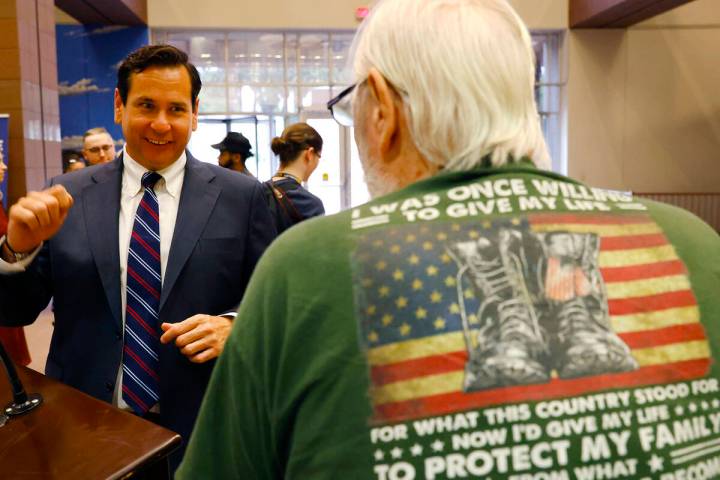
Secretary of State Cisco Aguilar is partnering with a national advocacy group to encourage veterans to serve as poll workers in the 2024 elections.
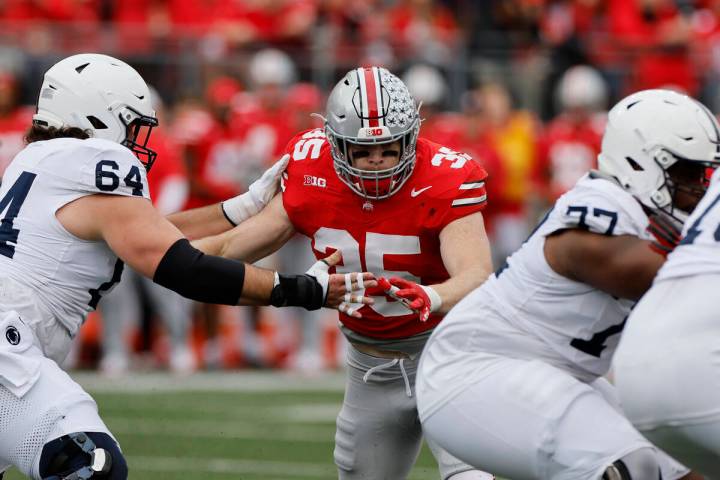
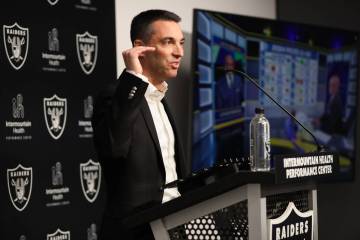
Here are the eight players selected by the Raiders in the 2024 NFL draft, with analysis and potential roles for each rookie this season.
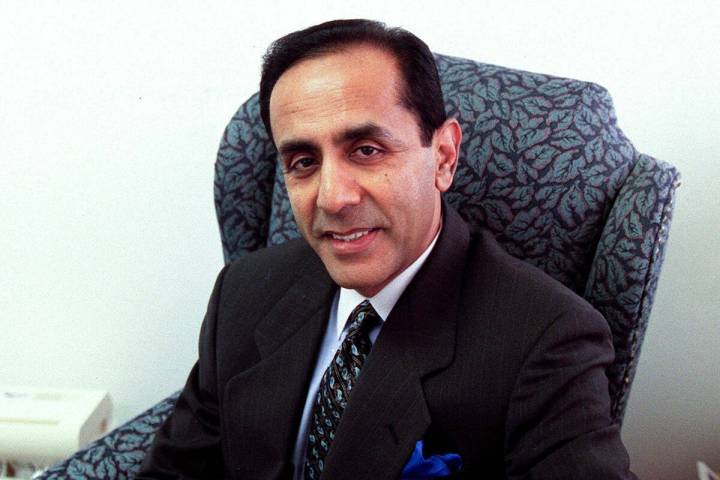
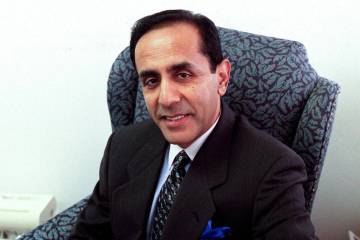
University Medical Center defends the $115,200-a-year contract of an influential doctor, but the public hospital can’t document cases he has reviewed.
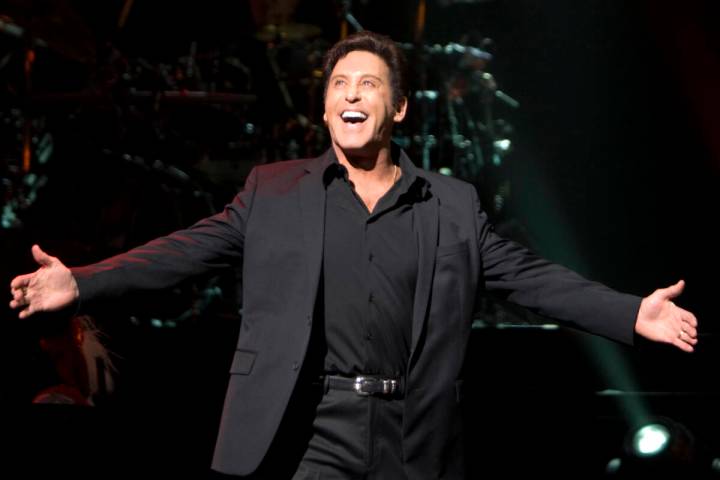
It would be hard to produce a less likely superstar than the singing impressionist Danny Gans, whose death on May 1, 2009, left a hole in this city that’s yet to be filled.

Matt McMullen has been at it for decades. His most realistic creation yet is a supermodel-esque woman with blonde-brown hair who speaks with a mild Scottish accent.
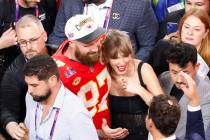
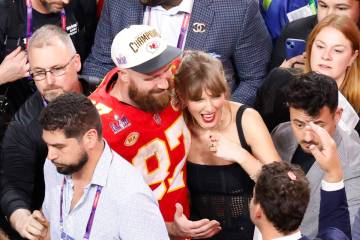
Taylor Swift, Travis Kelce, and Patrick and Brittany Mahomes are in town for 15 and the Mahomies Foundation Vegas Golf Classic.

A CCSD educator arrested in connection with a student-teacher fight was ordered released without bail after a court appearance.

Canelo Alvarez thinks the week leading up to his Cinco de Mayo weekend super middleweight title fight against Jaime Munguia will be a showcase for their native Mexico.

Law enforcement officials are urging caution when using any type of bank or ATM card in public because of the rise of skimming devices that can steal financial information.
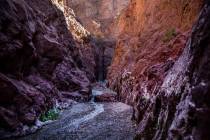
The National Park Service has increased its monitoring of the hot springs area along the Colorado River to ensure that it remains safe for swimming.

The crash occurred around 12:13 a.m. on East Sahara Avenue at Voyage Cove, according to the Metropolitan Police Department.

Tesla’s Gigafactory Nevada, a lithium-ion battery and electric vehicle component factory, has about 12,000 employees.
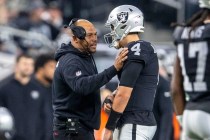
The Raiders didn’t select a quarterback in the first three rounds of the NFL draft, making it all but certain that this year’s starter is already on the roster.

Executives with Tropicana landlord Gaming & Leisure Properties Inc. said the Las Vegas Strip resort closed April 2 as part of the A’s ballpark construction timeline.

Today, we stand at a pivotal crossroads, a moment characterized by the stark contrast between the cautious embrace of technology by our parents and grandparents and the seamless integration of digital tools into the lives of younger generations. The older generations approached each new device with a blend of awe and skepticism, some even steadfastly […]





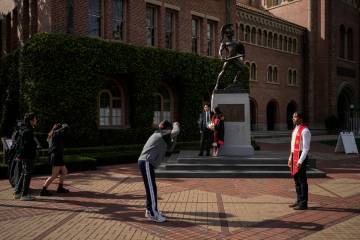

Vegas musician Nina Di Gregorio spent years learning Eddie Van Halen’s epic guitar solo on a customized violin.

The Raiders addressed their needs on the offensive line Friday, drafting Oregon’s Jackson Powers-Johnson in the second round and Maryland’s Delmar Glaze in the third.

Tabatha Tozzi died on April 24, 2023. Police say Tozzi’s then-boyfriend, Oswaldo Natanahel Perez-Sanchez, shot her in the head. He hasn’t yet been caught.

Tropicana owner Bally’s Corp. filed for a commercial demolition permit with Clark County as preparations continue to build a ballpark for the Oakland Athletics.