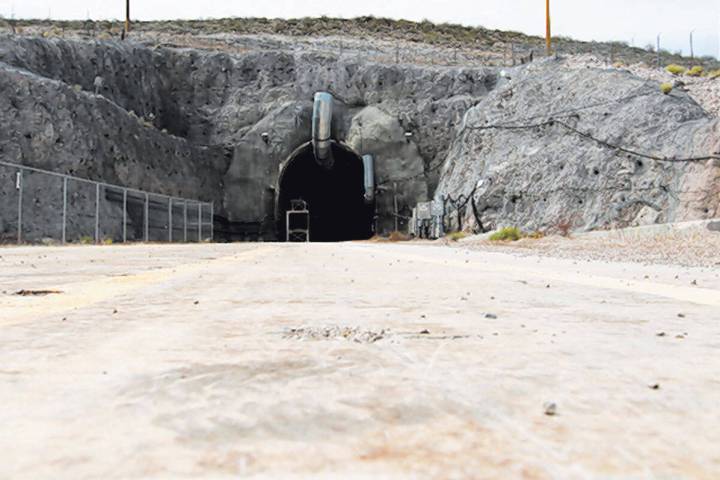
Plans to turn Yucca Mountain into the nation’s nuclear waste repository have long received opposition from both sides of the aisle. But, is that changing?




Plans to turn Yucca Mountain into the nation’s nuclear waste repository have long received opposition from both sides of the aisle. But, is that changing?
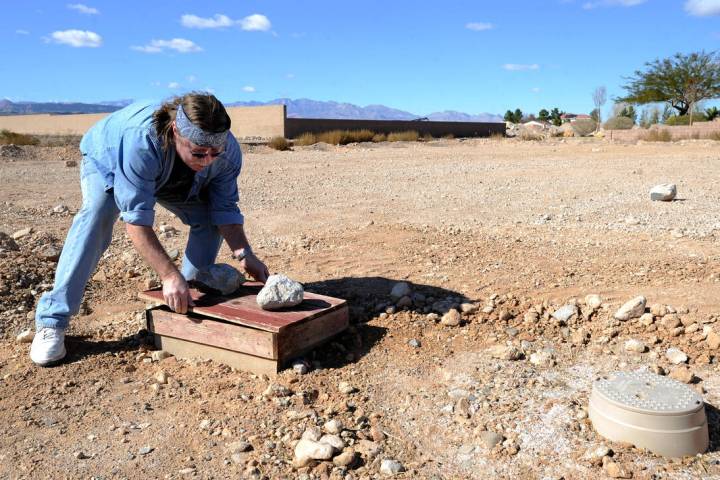
Farmers have shown overwhelming interest in getting paid to retire rights to pump groundwater in rural Nevada. Could a state-run program save the water below us?
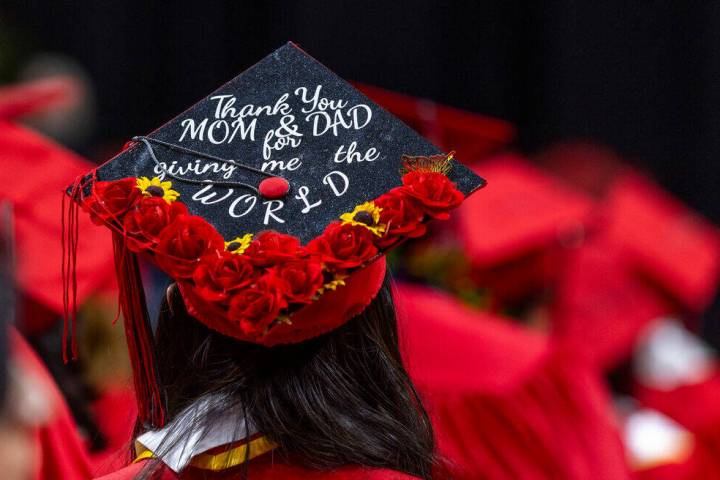
UNLV celebrated its graduating class of spring 2024 at the Thomas & Mack Center.
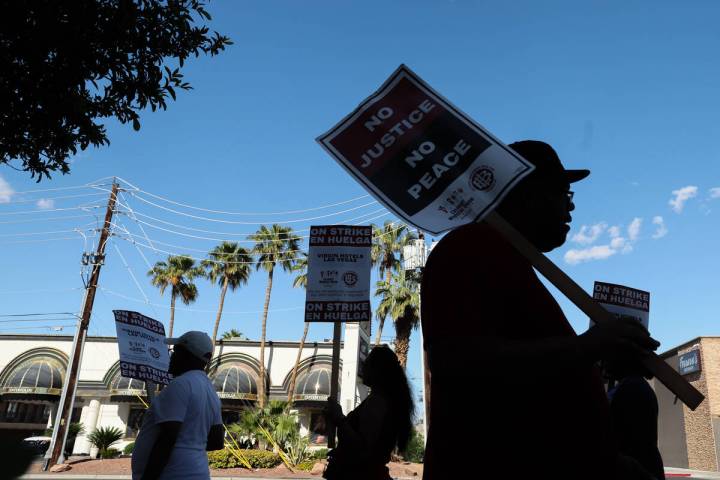
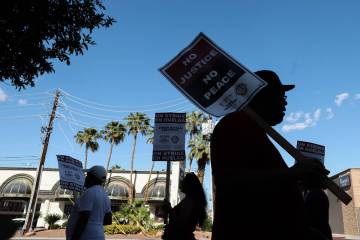
Hospitality workers at an off-Strip casino continued their two-day strike Saturday, calling on their employer to agree to wage increases in the next five-year contract.
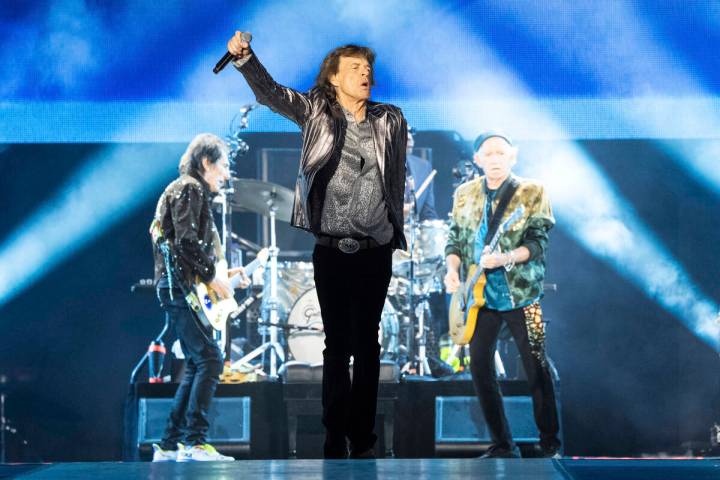
Mick Jagger, in town for a concert at Allegiant Stadium, has been known to seek Las Vegas landmarks.

Hundreds of unsealed court documents reveal the contentious custody battle between Ashley Prince and Dennis Houston leading up to a fatal shooting in April.
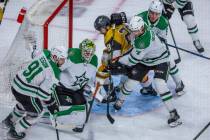
The Golden Knights have six unrestricted free agents to tend to before the market opens July 1. Here’s a look at where the Knights stand with each of them.

Las Vegas police were investigating a killing in a central valley neighborhood.

A 21-year-old motorcyclist died Saturday night after striking a curb Saturday night.
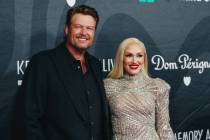
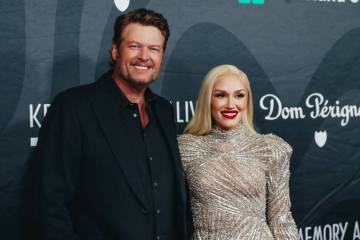
Blake Shelton told Friday’s Power of Love crowd, “This is maybe the last time I’m ever going to perform country music.”

While barbecue connoisseurs may not consider Southern Nevada as a spot to compete with famed BBQ hot spots like Kansas City or St. Louis, a new list may make you think again.

Ronnie Wood and his family visited Penn & Teller, ahead of a concert at Allegiant Stadium.
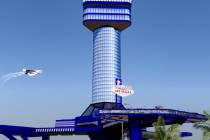
The developer said it would take $310 million to build a launching pad, a runway for spaceplanes, a control tower, a flight school and a 200-room casino resort.
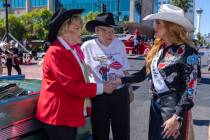
This year’s parade featured 107 entries, including horse groups, marching bands, car clubs, dance groups, service organizations and more.

On any given night, you can find something special at Lee’s Family Forum. Whether you are watching the future stars of the Vegas Golden Knights hit the ice with the Henderson Silver Knights, sitting front row to the world’s fastest football with the Vegas Knight Hawks, or watching some of the best volleyball players on […]

Food and drink specials, prix fixe menus, bottomless boozing and more to celebrate the mother(s) in your life.
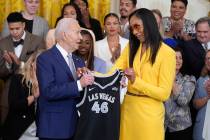
President Joe Biden and Vice President Kamala Harris welcomed the back-to-back WNBA champion Aces to the White House to celebrate their achievement.
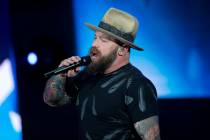
Buzz around the music scene is, Zac Brown Band is prepping for a residency at the Sphere. The person providing the buzz is Zac Brown.
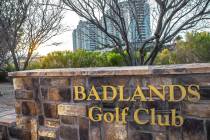
With court losses mounting against Las Vegas taxpayers, the city on Wednesday defended continuing its legal battle with the would-be developer of the Badlands golf course.