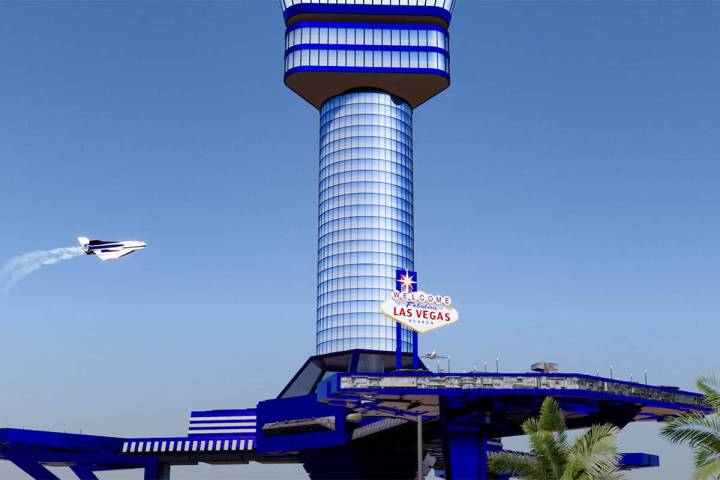
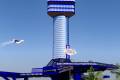
The developer said it would take $310 million to build a launching pad, a runway for spaceplanes, a control tower, a flight school and a 200-room casino resort.




The developer said it would take $310 million to build a launching pad, a runway for spaceplanes, a control tower, a flight school and a 200-room casino resort.

Officers were diverted from another call and sped down West Charleston Boulevard to the April 8 shooting scene at the Prince Law Group in City National Bank building.
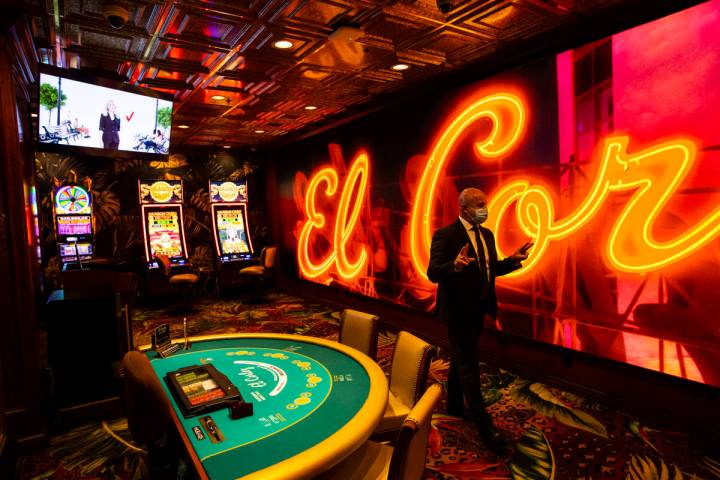
The historic downtown Las Vegas gambling hall will add two bars, a restaurant and more casino floor space later this year.

A California businessman has sued MGM Resorts International for an instance where he was allegedly drugged while playing in a private salon.
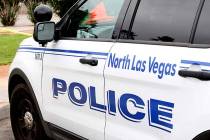
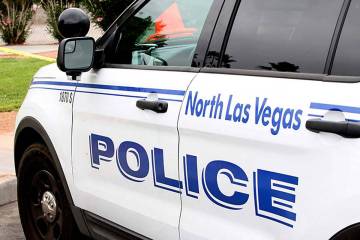
A driver was arrested on suspicion of DUI in connection with a fatal motorcycle crash in North Las Vegas.

The two candidates are the top finishers among those running in the Las Vegas mayoral primary, based on a recent Emerson College voter preference poll.

An off-Strip hotel-casino facing a two-day strike says it will legal action against the union threatening to walk off the job.

The Rolling Stones, the Aces, Dead & Company and Pearl Jam top the entertainment lineup for the week of May 10 to 16.

A Clark County grand jury indicted three men accused of trafficking nearly 45 pounds of fentanyl, the illicit opioid said to be many more times more powerful than morphine.
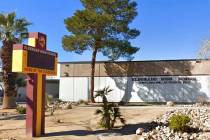
Eldorado High School had barred a senior from wearing cultural regalia but reversed its position after the ACLU became involved.
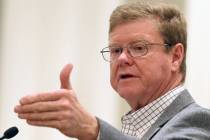
Legislation that would allow mining companies to use public land regardless of whether mineral deposits have been found on the land passed the House and will head to the Senate.
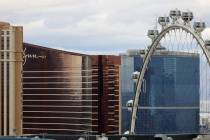
Wynn Las Vegas and Fontainebleau Las Vegas have traded barbs over allegations that Fontainebleau has tried to steal executive talent from Wynn.

The work marks the latest portion of a multiphase project on Las Vegas Boulevard to upgrade infrastructure between Sahara Avenue and the 215 Beltway.
A California businessman has sued MGM Resorts International for an instance where he was allegedly drugged while playing in a private salon.
Today, we stand at a pivotal crossroads, a moment characterized by the stark contrast between the cautious embrace of technology by our parents and grandparents and the seamless integration of digital tools into the lives of younger generations. The older generations approached each new device with a blend of awe and skepticism, some even steadfastly […]

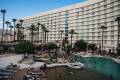


The plans for the 43-story Las Vegas Strip resort backed by billionaire Tilman Fertitta appear to be active as permits have continued to be issued for the site in 2024.

Raiders assistant general manager Champ Kelly discussed numerous topics in a virtual news conference Wednesday, including a claim by Lions’ first-round pick Terrion Arnold.
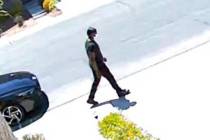
A reward of up to $150,000 has been offered for information leading to the arrest and conviction of the suspect.
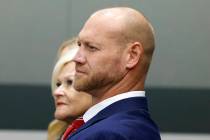
Daniel Rodimer pleaded not guilty to murder in connection with the death of Christopher Tapp, who prosecutors say was fatally beaten at a Las Vegas Strip party.