The Raiders are escaping the summer heat of Las Vegas for the coastal climate of Costa Mesa after coming to terms on a one-year agreement to hold training camp there.




The Raiders are escaping the summer heat of Las Vegas for the coastal climate of Costa Mesa after coming to terms on a one-year agreement to hold training camp there.

The Oakland Athletics plan to build a ballpark on the site of the Tropicana, but Bally’s says where the stadium will sit on that site is still being determined.

Las Vegas police on Tuesday released recordings of the 911 calls related to a man who police allege later ate parts of a man’s face.
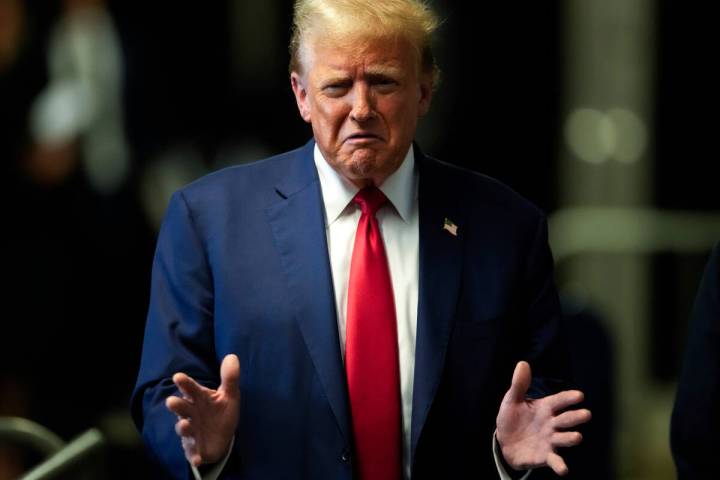
Former President Donald Trump called several potential vice presidential candidates onstage with him at a Republican National Committee fundraiser at Mar-a-Lago.
Red Rock Resorts says it will first focus on developing a California casino and then look at the second phase of its new resort in the southwest Las Vegas Valley.
A controversial proposal for a Church of Latter Day Saints temple near Lone Mountain still has a ways to go in its quest for approval, city officials said Tuesday.
More than 1,200 affordable housing units could soon be available to Clark County families and seniors.
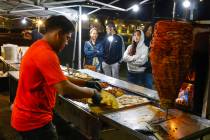
Clark County received just one sidewalk vending license application during the first six days the ordinance was in effect.

The Sphere, which opened in 2023, has been the home to dazzling productions by U2 and Phish.

The Golden Knights should do what’s best for the organization when it comes to pending free agent Jonathan Marchessault. That means re-signing him.

The Aces continue to make waves off the court this offseason, as their best player landed a major endorsement deal Tuesday.

The hotel-casino on the north Las Vegas Strip says the new promotion is meant to make the property more accessible.

The shooting occurred in the 1600 block of East St. Louis Avenue, east of Maryland Parkway in the early hours Tuesday, according to a Metropolitan Police Department news release.

Two people have been injured Tuesday morning in an east Las Vegas Valley shooting.

Today, we stand at a pivotal crossroads, a moment characterized by the stark contrast between the cautious embrace of technology by our parents and grandparents and the seamless integration of digital tools into the lives of younger generations. The older generations approached each new device with a blend of awe and skepticism, some even steadfastly […]




A CCSD substitute teacher punched a student at Valley High School in Las Vegas after the student called him a racial slur, according to an arrest report.
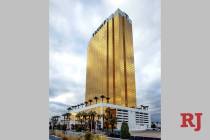
Commercial real estate experts weighed in on how much the property co-owned by Donald Trump and Phil Ruffin might sell for if it were put on the market.

The restaurant is owned by a big-name Vegas hospitality company with several other outlets in its portfolio.

Country superstar Keith Urban has announced a new residency on the Las Vegas Strip.