Two independent genetic labs tested the DNA of samples collected from Elko County after wildlife officials thought they had seen a gray wolf pack.




Two independent genetic labs tested the DNA of samples collected from Elko County after wildlife officials thought they had seen a gray wolf pack.

A 32-year-old man has been arrested after he was accused of shooting and killing his neighbor, according to Las Vegas police.

The renovations, included upgrading the flooring, furnishings and overall accommodations, were limited to the resort’s high-end suites.

A proposed Church of Latter-day Saints temple was OK’d by the Las Vegas Planning Commission on Tuesday night, sending the issue to city council for a final decision.

The Raiders will learn the date of their first meeting against quarterback Derek Carr when their 2024 schedule is released at 5 p.m. Wednesday.

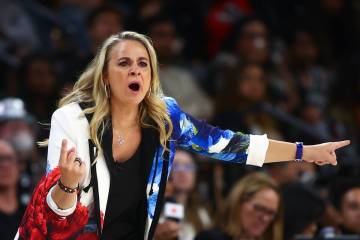
A’ja Wilson scored 30 points, and the Aces held on for the win in front of the largest crowd the team has ever had at Michelob Ultra Arena.
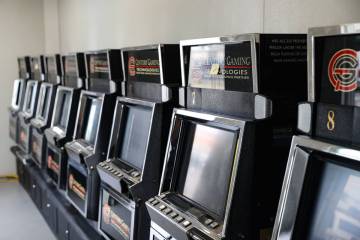
To preserve the land’s nonrestricted gaming license, the Moulin Rouge has a temporary opening 69 years after becoming the city’s first desegregated casino.

The Nevada Supreme Court ruled on Tuesday that the National Football League can force former Raiders coach Jon Gruden into an arbitration process over a 2021 lawsuit.
A March 5 attempted kidnapping led to the mid-April multiday barricade event, police said.

The nation’s largest homebuilder has been leading the charge but has trailed off in recent months, according to new data.
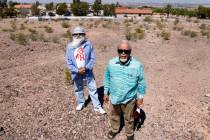
The American Hindu Association wants to build a temple in a rural Henderson neighborhood. But a city ordinance is preventing it from happening.
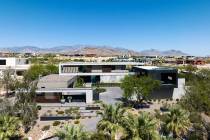
One year after Celine Dion set the record for a $30 million sale of her unlived home in The Summit Club in Summerlin, her next-door neighbor sold their 1.5-acre estate for $35 million.

The self-driving Lyft and Uber rides have mainly taken place in the resort corridor with a safety driver in place.
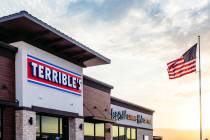
Terrible’s is hosting a job fair later this week as it looks to fill hundreds of salaried and hourly positions within the company.

Pure Maintenance, a Utah-based mold removal expert known for its non-destructive, demolition-free mold remediation method, has added Jackie Henson as its newest partner for the Las Vegas area. Henson’s addition brings the number of Pure Maintenance partners serving different areas around Las Vegas to three. This means that more residents and property owners in the […]

Highs near 95 are forecast Tuesday through Thursday before a possible 100 degrees on Friday, according to the National Weather Service.

Rolling Stones lead singer Mick Jagger got a healthy sampling of the Las Vegas restaurant scene while in town for a concert at Allegiant Stadium.
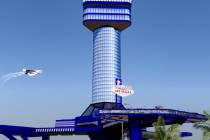
The developer said it would take $310 million to build a launching pad, a runway for spaceplanes, a control tower, a flight school and a 200-room casino resort.

While barbecue connoisseurs may not consider Southern Nevada as a spot to compete with famed BBQ hot spots like Kansas City or St. Louis, a new list may make you think again.