
A California businessman has sued MGM Resorts International for an instance where he was allegedly drugged while playing in a private salon.




A California businessman has sued MGM Resorts International for an instance where he was allegedly drugged while playing in a private salon.

Former Las Vegas gaming executive Scott Sibella was sentenced for knowingly allowing an illegal bookmaker to gamble at MGM Grand, violating anti-money-laundering laws.

Roughly 700 hospitality workers at an off-Strip casino plan to walk off the job for two days after lengthy contract negotiations continue, union officials said Wednesday.

The Raiders’ decision to move at least part of their training camp from Henderson to Costa Mesa in Southern California does come with a few drawbacks.

Reducing carnage on Las Vegas Valley roadways requires a community-wide commitment to safer driving, according to Sheriff Kevin McMahill.

A report from the Boulder City Police Department details the moments officers found dozens of animals inside a couple’s vehicle during a traffic stop in March.

Golden Knights general manager Kelly McCrimmon thought this year’s team was the best he ever assembled. There just wasn’t enough time to build chemistry.

The plans for the 43-story Las Vegas Strip resort backed by billionaire Tilman Fertitta appear to be active as permits have continued to be issued for the site in 2024.

Daniel Rodimer pleaded not guilty to murder in connection with the death of Christopher Tapp, who prosecutors say was fatally beaten at a Las Vegas Strip party.

Police are investigating the shooting death of a homeless man Wednesday morning in downtown Las Vegas.
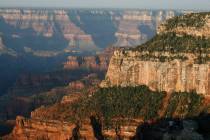
Grand Canyon National Park’s iconic North Rim will soon reopen for the summer season.

Allegiant Stadium has announced that it will hold its annual “staff draft” later this month as it looks to fill positions for its Raiders gameday team.

Clark County commissioners approved the appointment of Nancy Lemcke, a 23-year veteran public defender, to lead the office.

The Metropolitan Police Department arrested a jail staffer accused of stealing cellphones from inmates being transferred to state prison, according to Sheriff Kevin McMahill.

Technology is wonderful, but it’s good to step away from the devices and into the great outdoors every so often. With thousands of hiking trails, the country’s darkest skies and unforgettable road trips, the Silver State offers numerous ways to get a little out there (while getting off your device). Hiking You’re never too far […]






Red Rock Resorts says it will first focus on developing a California casino and then look at the second phase of its new resort in the southwest Las Vegas Valley.

A controversial proposal for a Church of Latter-day Saints temple near Lone Mountain still has a ways to go in its quest for approval, city officials said.

The restaurant took over space on either side to increase its size by almost 60 percent, bringing a bigger bar and kitchen, among other improvements.

“I can play anywhere,” Santana said during a phone chat. “I can play a parking lot in Africa.”