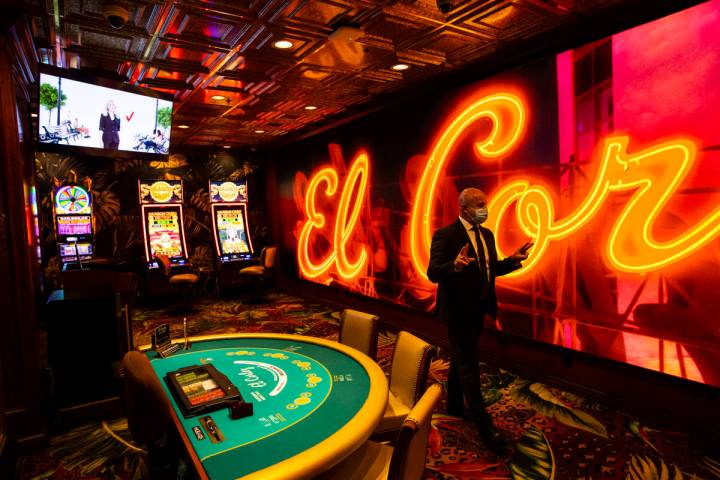
The historic downtown Las Vegas gambling hall will add two bars, a restaurant and more casino floor space later this year.




The historic downtown Las Vegas gambling hall will add two bars, a restaurant and more casino floor space later this year.

A Clark County grand jury indicted three men accused of trafficking nearly 45 pounds of fentanyl, the illicit opioid said to be many more times more powerful than morphine.
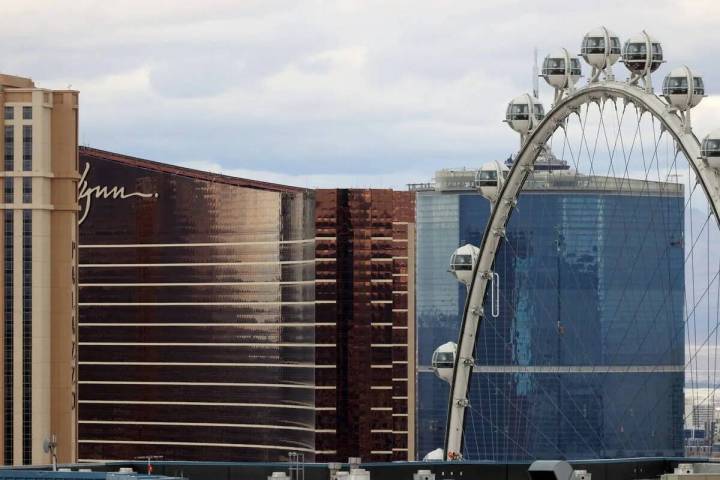
Wynn Las Vegas and Fontainebleau Las Vegas have traded barbs over allegations that Fontainebleau has tried to steal executive talent from Wynn.
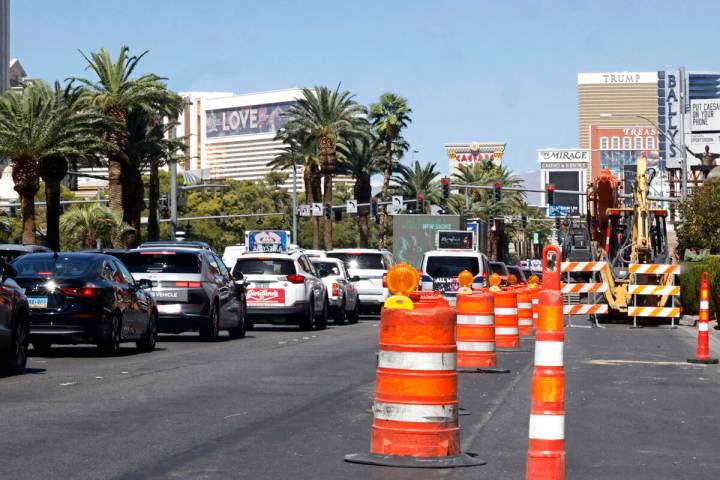
A small portion of the Strip will be reduced to one open lane of traffic beginning this weekend.

A California businessman has sued MGM Resorts International for an instance where he was allegedly drugged while playing in a private salon.

The project is slated for 240 acres between Las Vegas and Pahrump.
Leaders representing Northern Nevada sent a letter to the U.S. Postal Service Board of Governors to reverse a decision to relocate its outgoing mail operations.

After months of bankruptcy negotiations and reorganization, the company said it will maintain its two valley locations, including one in Summerlin.
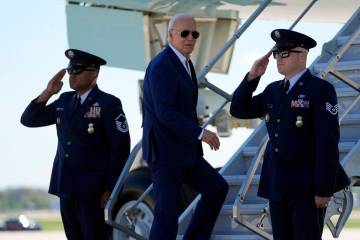
President Joe Biden, Vice President Kamala Harris and first lady Jill Biden welcomed the back-to-back WNBA champions to celebrate their achievement.
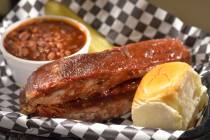
While barbecue connoisseurs may not consider Southern Nevada as a spot to compete with famed BBQ hot spots like Kansas City or St. Louis, a new list may make you think again.
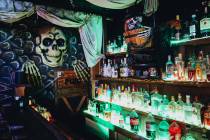
The home, which went viral after appearing on a website last summer, draws heavily from the Johnny Depp film series and features a bar that looks like a ship.
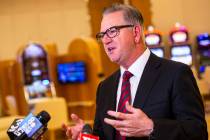
Former Las Vegas gaming executive Scott Sibella was sentenced for knowingly allowing an illegal bookmaker to gamble at MGM Grand, violating anti-money-laundering laws.

Jonathan Marchessault wants to remain with the Golden Knights, but there are questions to be answered before he becomes a free agent July 1.

Buzz around the music scene is, Zac Brown Band is prepping for a residency at the Sphere. The person providing the buzz is Zac Brown.

Creating a brand new business can be stressful, as there are so many important things you need to consider. When it comes to opening an e-shop, financing can be an overwhelming step. However, there are loans available to finance your Shopify store. With some research, you can get the right loan to get your business […]





The plans for the 43-story Las Vegas Strip resort backed by billionaire Tilman Fertitta appear to be active as permits have continued to be issued for the site in 2024.

Raiders assistant general manager Champ Kelly discussed numerous topics in a virtual news conference Wednesday, including a claim by Lions’ first-round pick Terrion Arnold.
A reward of up to $150,000 has been offered for information leading to the arrest and conviction of the suspect.
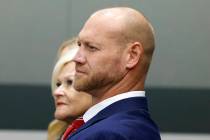
Daniel Rodimer pleaded not guilty to murder in connection with the death of Christopher Tapp, who prosecutors say was fatally beaten at a Las Vegas Strip party.