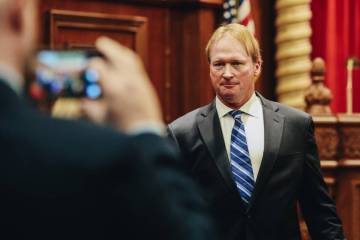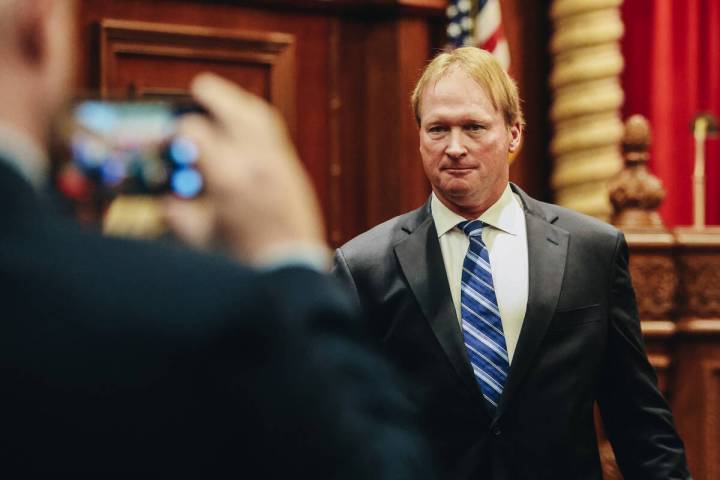
The Nevada Supreme Court ruled on Tuesday that the National Football League can force former Raiders coach Jon Gruden into an arbitration process over a 2021 lawsuit.




The Nevada Supreme Court ruled on Tuesday that the National Football League can force former Raiders coach Jon Gruden into an arbitration process over a 2021 lawsuit.
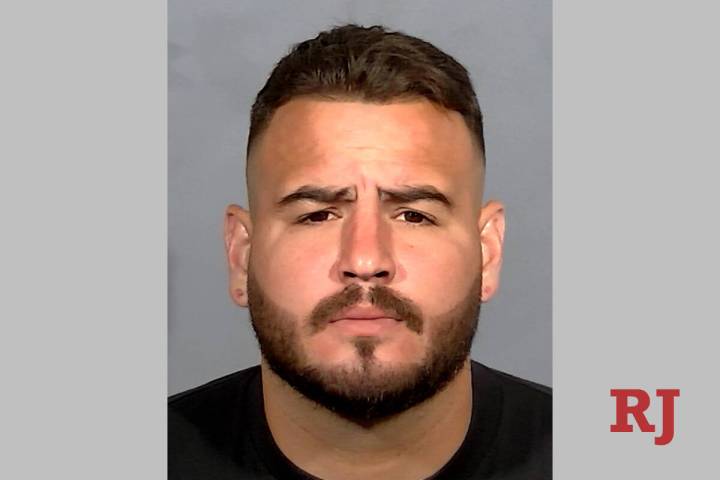
A 32-year-old man has been arrested after he was accused of shooting and killing his neighbor on Monday evening, according to Las Vegas police.

The renovations, included upgrading the flooring, furnishings and overall accommodations, were limited to the resort’s high-end suites.
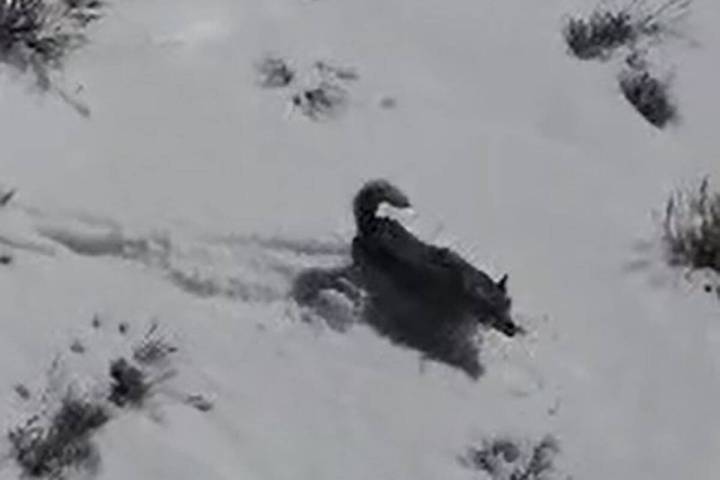
Two independent genetic labs tested the DNA of samples collected from Elko County after wildlife officials thought they had seen a gray wolf pack.

The back-to-back WNBA champion Aces were mentioned frequently in the league’s annual survery of general managers Tuesday.

The Electric Daisy Carnival is coming to Las Vegas this weekend, and general admission tickets are still on sale on several resale websites.

A dispute between two neighbors outside their homes turned deadly when one neighbor allegedly shot the other man, who later died on his driveway, police said.

Aces rookies Kate Martin and Dyaisha Fair will be prepared for anything when the two-time defending WNBA champions open the season against the Phoenix Mercury.

The two sporting events — one held on the UNLV campus and one coming to Allegiant Stadium — will receive a total $6.2 million in financial backing.

Las Vegas Raiders tackle Kolton Miller paid $8.8 million for a home in an enclave in Southern Highlands Golf Club while ESPN analyst Ron Rivera paid $5 million for a home about to start construction in the same community.

The New York Times/Siena College poll found that if the election were held today, 50 percent would pick Donald Trump and 38 percent would pick Joe Biden.

Three of the top five Las Vegas Valley communities in new home construction are located in Henderson, according to the data company Zonda.

The Nevada Supreme Court rejected a teachers union effort to put public funding for the Oakland Athletics’ planned Las Vegas ballpark on November’s ballot.

A class-action lawsuit alleging hotel room price fixing was thrown out, handing a win to the Strip hospitality companies accused of anti-trust behavior.

Color psychology is not just a matter of personal preference in your home decor. It’s a powerful tool that can significantly influence your and your staff’s productivity in the workplace. Many businesses choose their brand colors without considering their potential impact on the office environment. While these colors may look great on a business card, […]


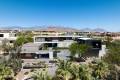

Highs near 95 are forecast Tuesday through Thursday before a possible 100 degrees on Friday, according to the National Weather Service.

Rolling Stones lead singer Mick Jagger got a healthy sampling of the Las Vegas restaurant scene while in town for a concert at Allegiant Stadium.
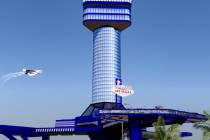
The developer said it would take $310 million to build a launching pad, a runway for spaceplanes, a control tower, a flight school and a 200-room casino resort.

While barbecue connoisseurs may not consider Southern Nevada as a spot to compete with famed BBQ hot spots like Kansas City or St. Louis, a new list may make you think again.