The trains, designed to go up to 220 mph, will be able to take Brightline West passengers between Las Vegas and Southern California in less than two hours.




The trains, designed to go up to 220 mph, will be able to take Brightline West passengers between Las Vegas and Southern California in less than two hours.

Promoter Live Nation has announced the return of its annual “Concert Week,” which gives fans access to $25 tickets for music and comedy shows across the Las Vegas Strip.
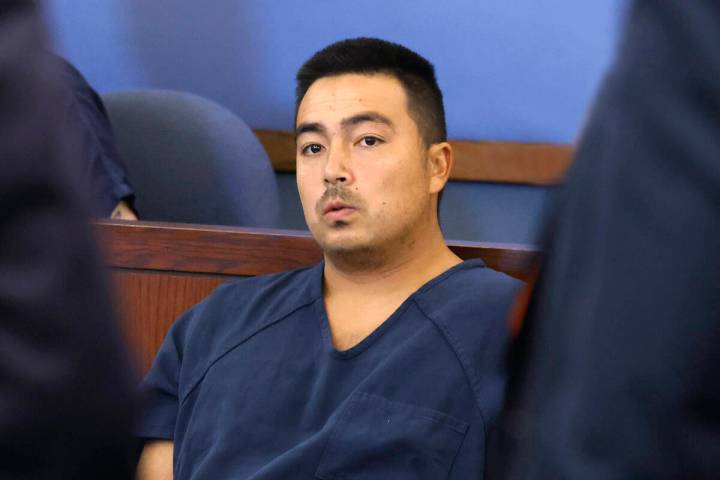
Colin Czech appeared in court days after he told police he ate parts of his alleged murder victim in Las Vegas.
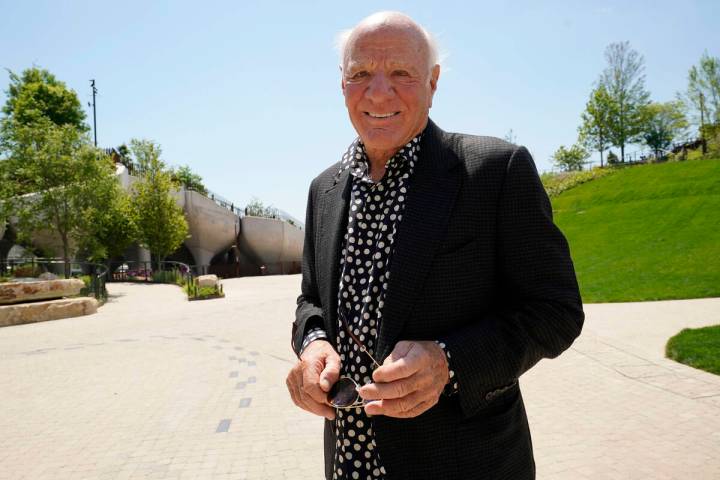
Two years ago, the Nevada Gaming Commission gave the media mogul only conditional approval because of an insider trading investigation.

The Golden Knights made several lineup changes for Game 5 of their first-round playoff series against the Dallas Stars, but still lost their third straight.

The Nevada Department of Motor Vehicles’ modernization of its computer system could take longer than anticipated and cost the state more than $300 million in additional funding.

Scott Sibella, former president of MGM Grand and Resorts World, faces sentencing in California and is the subject of a Nevada Gaming Control Board complaint.

O.J. Simpson’s executor filed a petition on Wednesday to start probate proceedings, asking a judge to allow him to secure the estate’s assets.

Groups organized a “Walkout for Palestine” event in the amphitheater at UNLV, joining a growing list of groups protesting against the war in Gaza at college campuses.

A war of words between Canelo Alvarez and Oscar De La Hoya escalated during Wednesday’s news conference to promote Alvarez’s fight against Jaime Munguia.

An executive explained why Bally’s is in no hurry to produce plans for a resort that would be attached to the Oakland Athletics’ stadium at the Tropicana site.

About 16,000 pounds of raw ground beef that was distributed to Walmart stores nationwide has been recalled, the U.S. Department of Agriculture announced Monday.

Here are five of the more memorable casino (and airport) conquests this past month in the Las Vegas Valley.

The licensing deal has added more than 130,000 hotel room nights booked, the company told investors during the company’s first-quarter earnings call.

Technology is wonderful, but it’s good to step away from the devices and into the great outdoors every so often. With thousands of hiking trails, the country’s darkest skies and unforgettable road trips, the Silver State offers numerous ways to get a little out there (while getting off your device). Hiking You’re never too far […]






A YouTuber whose videos get thousands of views is calling on his supporters to petition a Las Vegas judge for his release after he was recently jailed by her .

Basic’s baseball team has been forced to forfeit all of its league games for using ineligible players, the Nevada Interscholastic Activities Association confirmed.
A group of local developers are looking to build a 2,500-room resort with 20,000-seat arena on the former Wet ‘n Wild site once targeted for Jackie Robinson’s All Net Arena.
Two cities in the valley rank 10th and 11th in the nation for fastest-growing house prices, according to a new study.