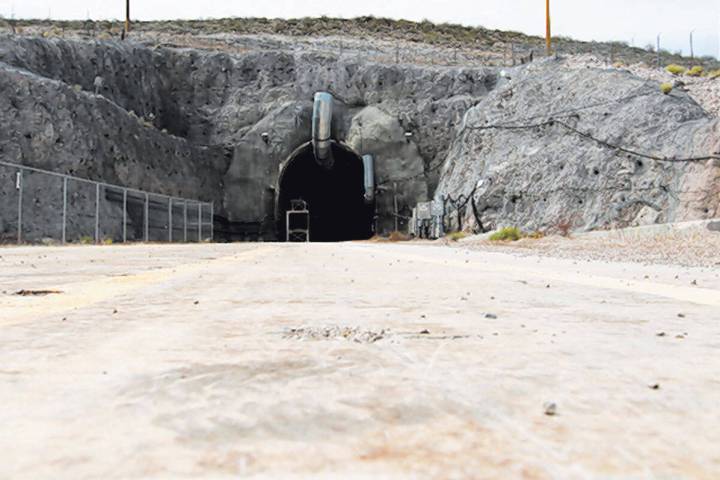
Plans to turn Yucca Mountain into the nation’s nuclear waste repository have long received opposition from both sides of the aisle. But, is that changing?




Plans to turn Yucca Mountain into the nation’s nuclear waste repository have long received opposition from both sides of the aisle. But, is that changing?
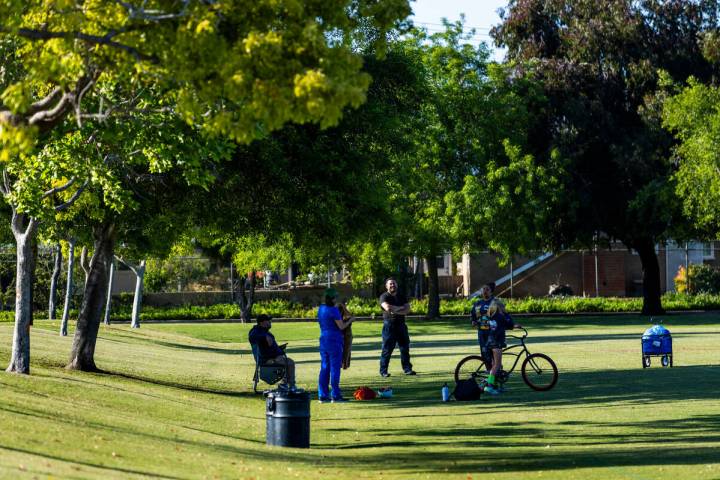
The Raiders are set to hold their training camp in Costa Mesa in Southern California this year. Here are five things to know about the town.

In one of his last interviews as North Las Vegas city manager, Ryann Juden shares how the city has attracted millions of square feet of industrial and retail space and has big plans for the future.
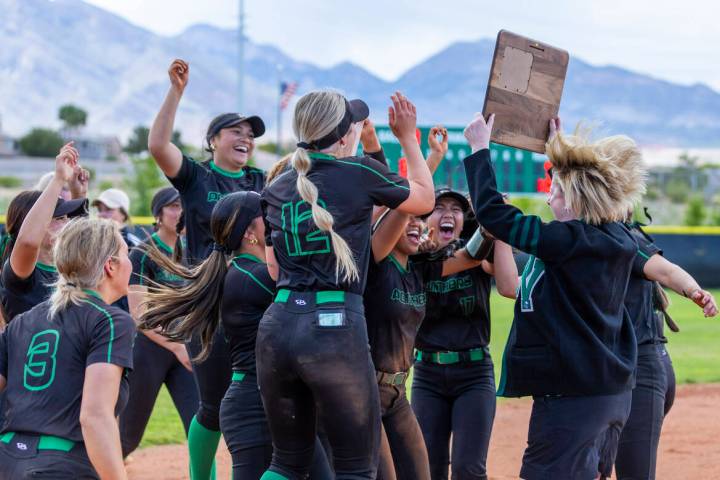
All spring sports in Nevada will crown a new state champion this week. Here’s a breakdown of every title race as the season comes to a close.
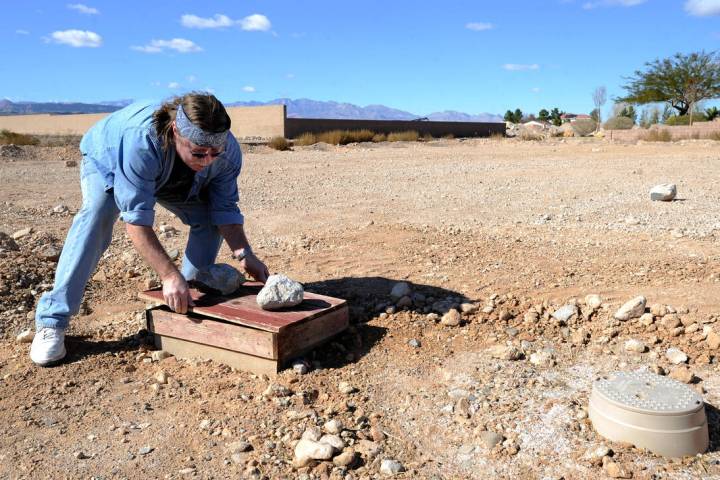
Farmers have shown overwhelming interest in getting paid to retire rights to pump groundwater in rural Nevada. Could a state-run program save the water below us?
A 21-year-old motorcyclist died Saturday night after striking a curb Saturday night.
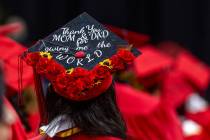
UNLV celebrated its graduating class of spring 2024 at the Thomas & Mack Center.
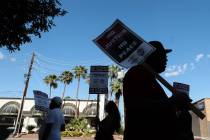
Hospitality workers at an off-Strip casino continued their two-day strike Saturday, calling on their employer to agree to wage increases in the next five-year contract.
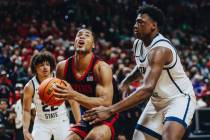
A new eight-team basketball tournament, in which participants would receive $1 million towards their NIL collectives, will reportedly be staged in Las Vegas this November.

The historic downtown Las Vegas gambling hall will add two bars, a restaurant and more casino floor space later this year.

Mick Jagger, in town for a concert at Allegiant Stadium, has been known to seek Las Vegas landmarks.

The unincorporated area of Enterprise is beginning to rival North Las Vegas and Henderson for new development and residents.

Hundreds of unsealed court documents reveal the contentious custody battle between Ashley Prince and Dennis Houston leading up to a fatal shooting in April.

The Golden Knights have six unrestricted free agents to tend to before the market opens July 1. Here’s a look at where the Knights stand with each of them.

On any given night, you can find something special at Lee’s Family Forum. Whether you are watching the future stars of the Vegas Golden Knights hit the ice with the Henderson Silver Knights, sitting front row to the world’s fastest football with the Vegas Knight Hawks, or watching some of the best volleyball players on […]





Food and drink specials, prix fixe menus, bottomless boozing and more to celebrate the mother(s) in your life.
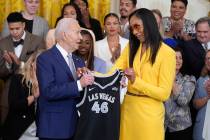
President Joe Biden and Vice President Kamala Harris welcomed the back-to-back WNBA champion Aces to the White House to celebrate their achievement.

Buzz around the music scene is, Zac Brown Band is prepping for a residency at the Sphere. The person providing the buzz is Zac Brown.

With court losses mounting against Las Vegas taxpayers, the city on Wednesday defended continuing its legal battle with the would-be developer of the Badlands golf course.