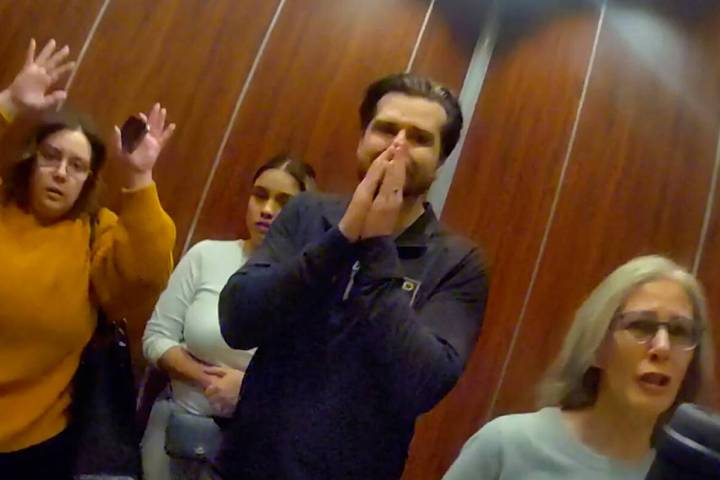
Officers were diverted from another call and sped down West Charleston Boulevard to the April 8 shooting scene at the Prince Law Group in City National Bank building.




Officers were diverted from another call and sped down West Charleston Boulevard to the April 8 shooting scene at the Prince Law Group in City National Bank building.
Over 12,000 people were without power Thursday evening.
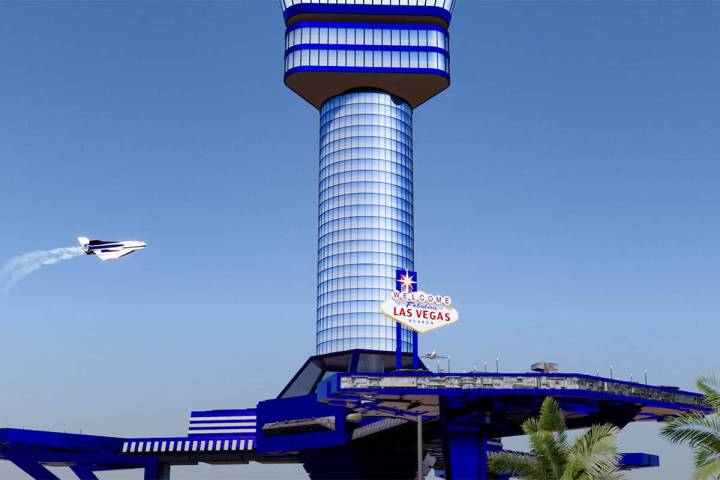
The project is slated for 240 acres between Las Vegas and Pahrump.
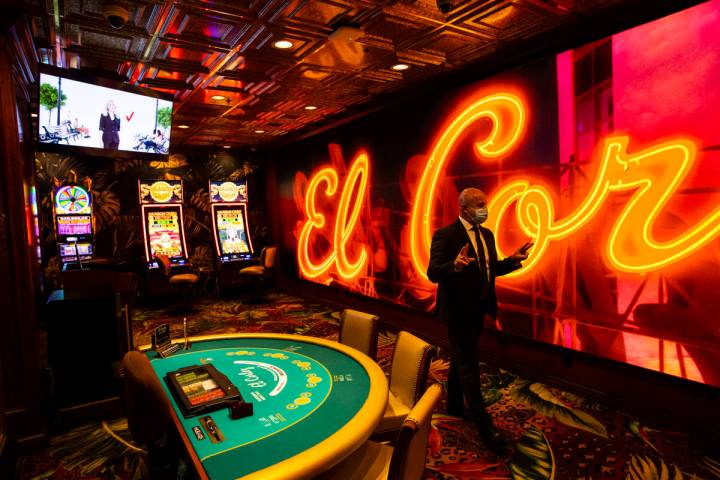
The historic downtown Las Vegas gambling hall will add two bars, a restaurant and more casino floor space later this year.
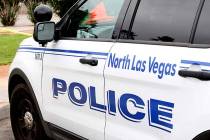
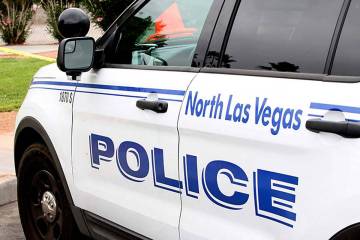
The collision occurred about 6:20 p.m. near East Owens Avenue and James Street and involved a blue Harley Davidson motorcycle and a brown 2011 Chevrolet HHR, according to the North Las Vegas police Department.

The two candidates are the top finishers among those running in the Las Vegas mayoral primary, based on a recent Emerson College voter preference poll.

A Clark County grand jury indicted three men accused of trafficking nearly 45 pounds of fentanyl, the illicit opioid said to be many more times more powerful than morphine.
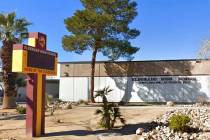
Eldorado High School had barred a senior from wearing cultural regalia but reversed its position after the ACLU became involved.
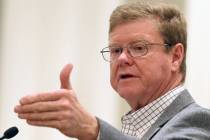
Legislation that would allow mining companies to use public land regardless of whether mineral deposits have been found on the land passed the House and will head to the Senate.
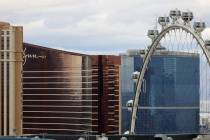
Wynn Las Vegas and Fontainebleau Las Vegas have traded barbs over allegations that Fontainebleau has tried to steal executive talent from Wynn.
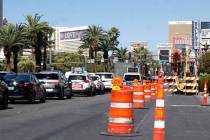
A small portion of the Strip will be reduced to one open lane of traffic beginning this weekend.

A California businessman has sued MGM Resorts International for an instance where he was allegedly drugged while playing in a private salon.
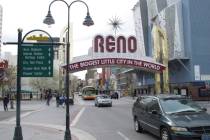
Leaders representing Northern Nevada sent a letter to the U.S. Postal Service Board of Governors to reverse a decision to relocate its outgoing mail operations.

After months of bankruptcy negotiations and reorganization, the company said it will maintain its two valley locations, including one in Summerlin.

Color psychology is not just a matter of personal preference in your home decor. It’s a powerful tool that can significantly influence your and your staff’s productivity in the workplace. Many businesses choose their brand colors without considering their potential impact on the office environment. While these colors may look great on a business card, […]

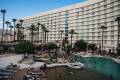

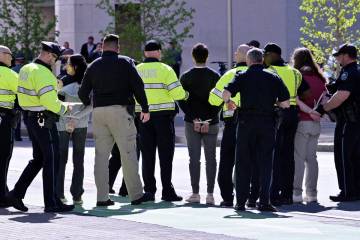

The plans for the 43-story Las Vegas Strip resort backed by billionaire Tilman Fertitta appear to be active as permits have continued to be issued for the site in 2024.

Raiders assistant general manager Champ Kelly discussed numerous topics in a virtual news conference Wednesday, including a claim by Lions’ first-round pick Terrion Arnold.
A reward of up to $150,000 has been offered for information leading to the arrest and conviction of the suspect.
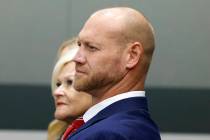
Daniel Rodimer pleaded not guilty to murder in connection with the death of Christopher Tapp, who prosecutors say was fatally beaten at a Las Vegas Strip party.