System of a Down, Slipknot, dozens more power heavy music festival




System of a Down, Slipknot, dozens more power heavy music festival
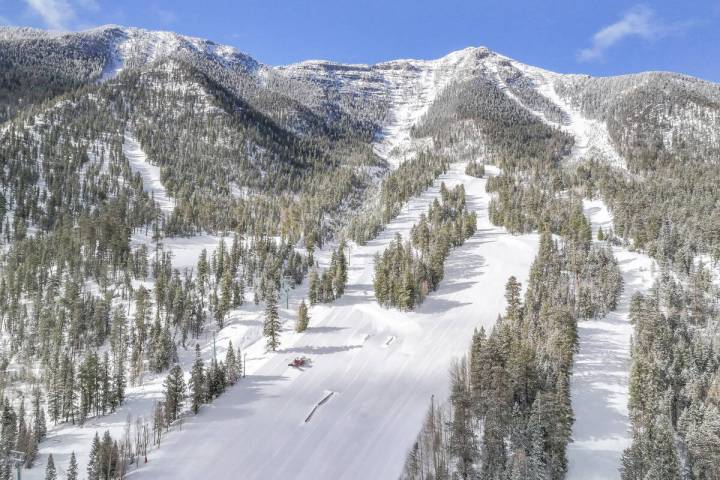
Friday’s storm brought more snow to the ski slopes in Nevada, Utah, allowing Lee Canyon and Brian Head to add at least another week of skiing/snowboarding.

The richest of the rich live not in a state, but in Washington, D.C., where it takes a salary of $719,000 to land in the top 5 percent of earners.

One of the Aces most well-known players announced her retirement Sunday morning before the team’s first practice together.
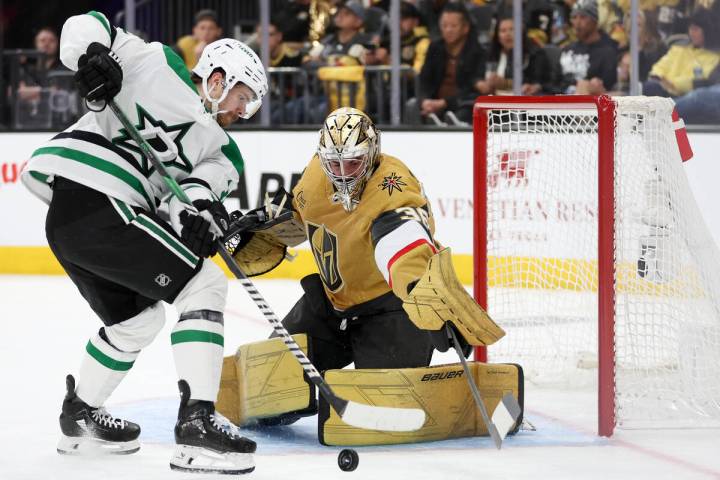
Wyatt Johnston scored with 3:38 remaining in overtime, and the Golden Knights lost to the Dallas Stars in Game 3 of their first-round Stanley Cup playoff series.

Bruno Mars told a packed house Saturday, “At the end of the night, The Pinky Ring turns into a strip club!” He was speaking euphemistically.

A 71-year-old man in a wheelchair was struck by an SUV on Lake Mead Parkway while crossing the street outside of a marked crosswalk.

Sasha Williams’ loved ones struggle to understand why someone would want to hurt the selfless artist described as having “a heart of gold.”

Republican Senate candidates facing off in the June 11 primary are staunch supporters for Israel, but few support sending aid to Ukraine.

Clark County is making changes to its air quality regulations in an effort to decrease ozone levels in the Las Vegas Valley.

The convergence of Olympic curling triumphs, efforts to bring the Games to Nevada, a Canadian fan base and a nonprofit club layed the groundwork for a new local facility.

It would be hard to produce a less likely superstar than the singing impressionist Danny Gans, whose death on May 1, 2009, left a hole in this city that’s yet to be filled.

Matt McMullen has been at it for decades. His most realistic creation yet is a supermodel-esque woman with blonde-brown hair who speaks with a mild Scottish accent.

In-N-Out’s “secret menu” includes items ranging from pimped-out cheeseburgers to something called a whole grilled onion.

A CCSD educator arrested in connection with a student-teacher fight was ordered released without bail after a court appearance.

Influencers are everywhere in 2024. No matter what industry you find yourself in or which ad you see on TV, you will always encounter someone promoting something about it or in it. Influencers are huge on social media, especially Instagram. But what exactly is an influencer? Is an influencer just another person fake promoting a […]






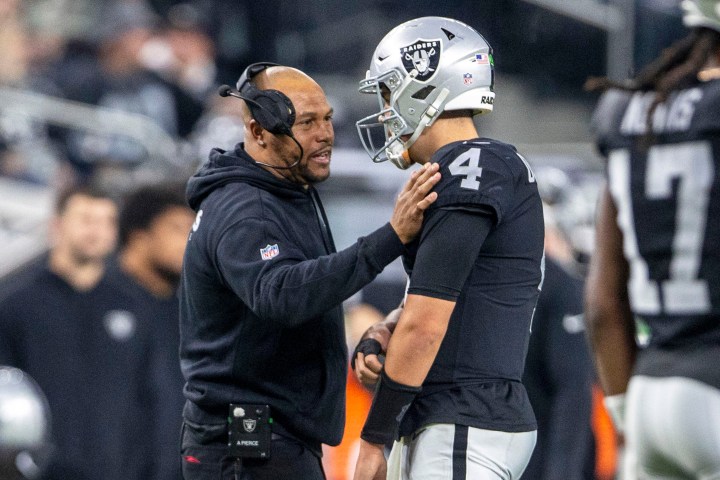
The Raiders didn’t select a quarterback in the first three rounds of the NFL draft, making it all but certain that this year’s starter is already on the roster.

Vegas musician Nina Di Gregorio spent years learning Eddie Van Halen’s epic guitar solo on a customized violin.

Tabatha Tozzi died on April 24, 2023. Police say Tozzi’s then-boyfriend, Oswaldo Natanahel Perez-Sanchez, shot her in the head. He hasn’t yet been caught.

Tropicana owner Bally’s Corp. filed for a commercial demolition permit with Clark County as preparations continue to build a ballpark for the Oakland Athletics.