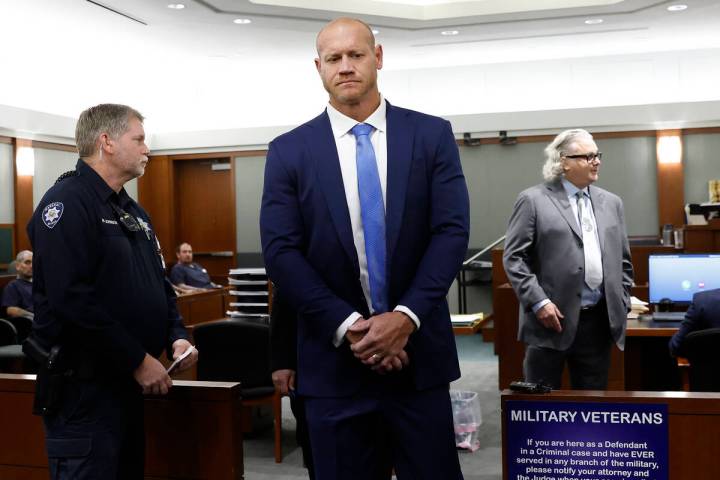
Grand jury transcripts provide more details in the murder case against the former pro wrestler and House candidate Daniel Rodimer, who denies the allegations.




Grand jury transcripts provide more details in the murder case against the former pro wrestler and House candidate Daniel Rodimer, who denies the allegations.
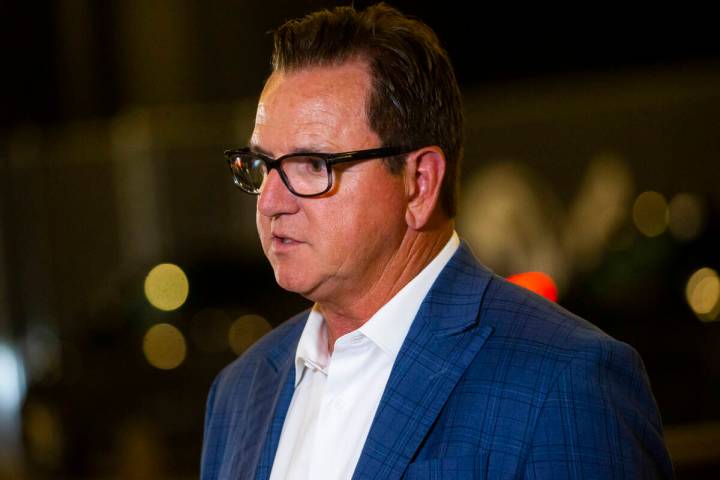
Scott Sibella, former president of MGM Grand and Resorts World, faces sentencing in California and is the subject of a Nevada Gaming Control Board complaint.
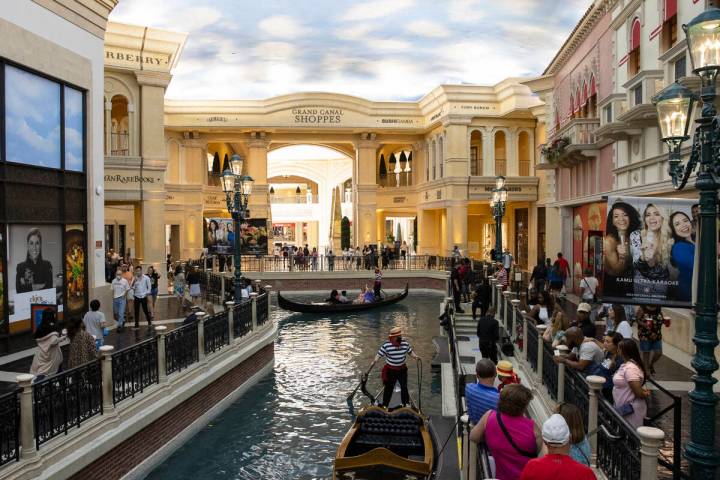
Now owned by Apollo Management Group, The Venetian paved the way for Las Vegas Sands’ integrated resorts in Macao and Singapore and is a model for the future.

The trains, designed to go up to 220 mph, will be able to take Brightline West passengers between Las Vegas and Southern California in less than two hours.

Millions of dollars stolen from Shohei Ohtani to pay his former interpreter’s gambling debt were funneled through Resorts World, according to ESPN.

The Review-Journal has agreed to give prosecutors, police and defense attorneys the majority of files from the phone of slain investigative reporter Jeff German.

You can change lines. You can change your goalie. You can shorten your bench. But sloppy won’t do in a Stanley Cup playoff series this tight. It’s a major reason the Golden Knights are on the verge of elimination.

Cannabis businesses and consumers could likely enjoy lower costs under a federal proposal to reclassify marijuana as a less dangerous drug, according to experts.

Former Raiders linebacker Bill Romanowski and his wife are mired in a civil case brought on by the U.S. government alleging they owe more than $15.5 million in taxes.

Stan Colton, a longtime political and legal figure in Southern Nevada and friend of the late U.S. Sen. Harry Reid, died April 25 in Henderson, his family members said.

Colin Czech appeared in court days after he told police he ate parts of his alleged murder victim in Las Vegas.
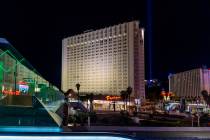
An executive explained why Bally’s is in no hurry to produce plans for a resort that would be attached to the Oakland Athletics’ stadium at the Tropicana site.

Manufacturers say Nevada is a business and labor-friendly spot for their industry. But there are still barriers to future growth.

Promoter Live Nation has announced the return of its annual “Concert Week,” which gives fans access to $25 tickets for music and comedy shows across the Las Vegas Strip.

Color psychology is not just a matter of personal preference in your home decor. It’s a powerful tool that can significantly influence your and your staff’s productivity in the workplace. Many businesses choose their brand colors without considering their potential impact on the office environment. While these colors may look great on a business card, […]





Alex Pietrangelo isn’t the only reason the Golden Knights are on the ropes. But for the second straight game, a loss of composure from the veteran led to a backbreaking goal for the Dallas Stars.

A war of words between Canelo Alvarez and Oscar De La Hoya escalated during Wednesday’s news conference to promote Alvarez’s fight against Jaime Munguia.

The stained glass above the Tropicana’s former casino pit is being removed while the shuttered casino prepares for a fall demolition.

A man is facing seven felony charges after using a truck to attack two people at the Las Vegas retail center, according to a Metropolitan Police Department report.