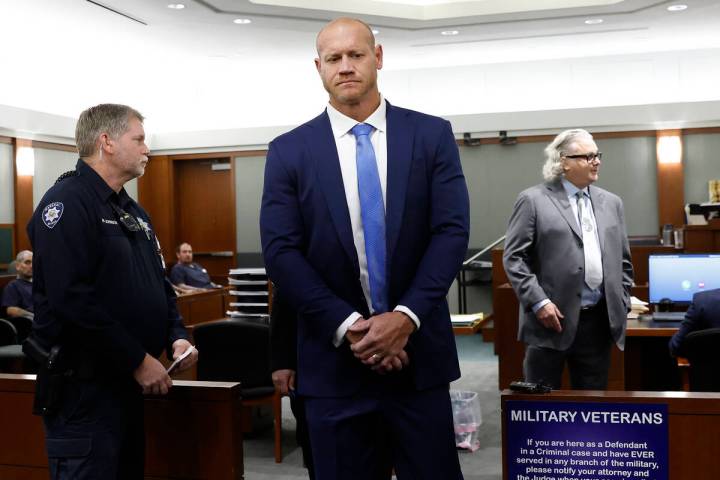
Grand jury transcripts provide more details in the murder case against the former pro wrestler and House candidate Daniel Rodimer, who denies the allegations.




Grand jury transcripts provide more details in the murder case against the former pro wrestler and House candidate Daniel Rodimer, who denies the allegations.
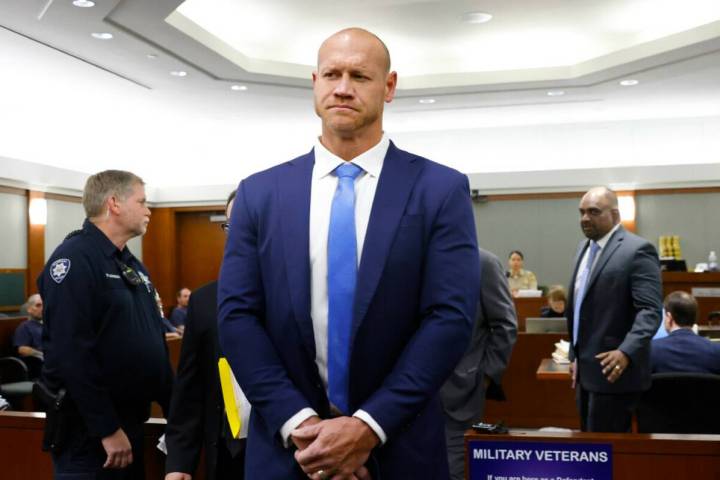
A Former Nevada congressional candidate was indicted on a murder charge in connection to the death of an Idaho man in a Strip resort room in the fall.

Millions of dollars stolen from Shohei Ohtani to pay his former interpreter’s gambling debt were funneled through Resorts World, according to ESPN.
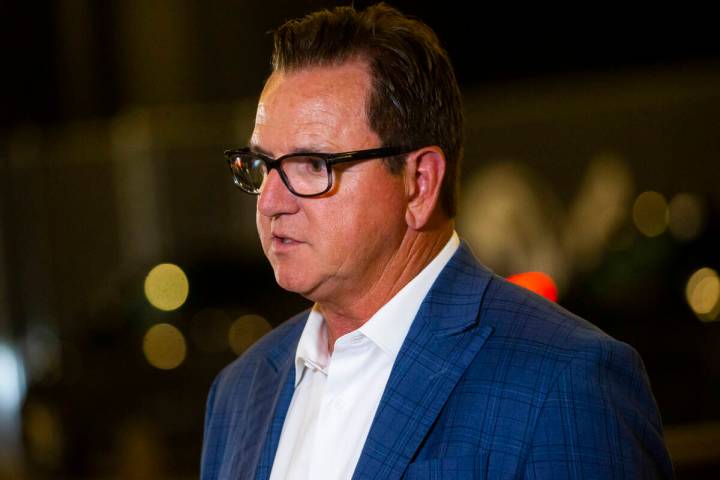
Scott Sibella, former president of MGM Grand and Resorts World, faces sentencing in California and is the subject of a Nevada Gaming Control Board complaint.

The trains, designed to go up to 220 mph, will be able to take Brightline West passengers between Las Vegas and Southern California in less than two hours.

The Utah-based indoor pickleball chain, Picklr, announced when it would open its first location in Clark County.

Police accuse the DUI suspect of speeding “well above” the 45 mph limit on Buffalo Drive and Peacock Avenue when the crash occurred at 10:38 p.m. Sunday.

The Review-Journal has agreed to give prosecutors, police and defense attorneys the majority of files from the phone of slain investigative reporter Jeff German.

Former Raiders linebacker Bill Romanowski and his wife are mired in a civil case brought on by the U.S. government alleging they owe more than $15.5 million in taxes.

Now owned by Apollo Management Group, The Venetian paved the way for Las Vegas Sands’ integrated resorts in Macao and Singapore and is a model for the future.

Cannabis businesses and consumers could likely enjoy lower costs under a federal proposal to reclassify marijuana as a less dangerous drug, according to experts.

Colin Czech appeared in court days after he told police he ate parts of his alleged murder victim in Las Vegas.

An executive explained why Bally’s is in no hurry to produce plans for a resort that would be attached to the Oakland Athletics’ stadium at the Tropicana site.

You can change lines. You can change your goalie. You can shorten your bench. But sloppy won’t do in a Stanley Cup playoff series this tight. It’s a major reason the Golden Knights are on the verge of elimination.

The Nevada Department of Motor Vehicles’ modernization of its computer system could take longer than anticipated and cost the state more than $300 million in additional funding.

Generosity: Any act of kindness or support given without expectation of exchange or return from the recipient(s). The game’s biggest stars remain active one month into the NFL offseason. They may not be running drills on the field, but they practice something more important: generosity. Hall of Fame quarterback Troy Aikman and 2022 NFL Man […]







Promoter Live Nation has announced the return of its annual “Concert Week,” which gives fans access to $25 tickets for music and comedy shows across the Las Vegas Strip.

The stained glass above the Tropicana’s former casino pit is being removed while the shuttered casino prepares for a fall demolition.

A war of words between Canelo Alvarez and Oscar De La Hoya escalated during Wednesday’s news conference to promote Alvarez’s fight against Jaime Munguia.

A man is facing seven felony charges after using a truck to attack two people at the Las Vegas retail center, according to a Metropolitan Police Department report.