LETTER: The Southwest needs a pricing model for water
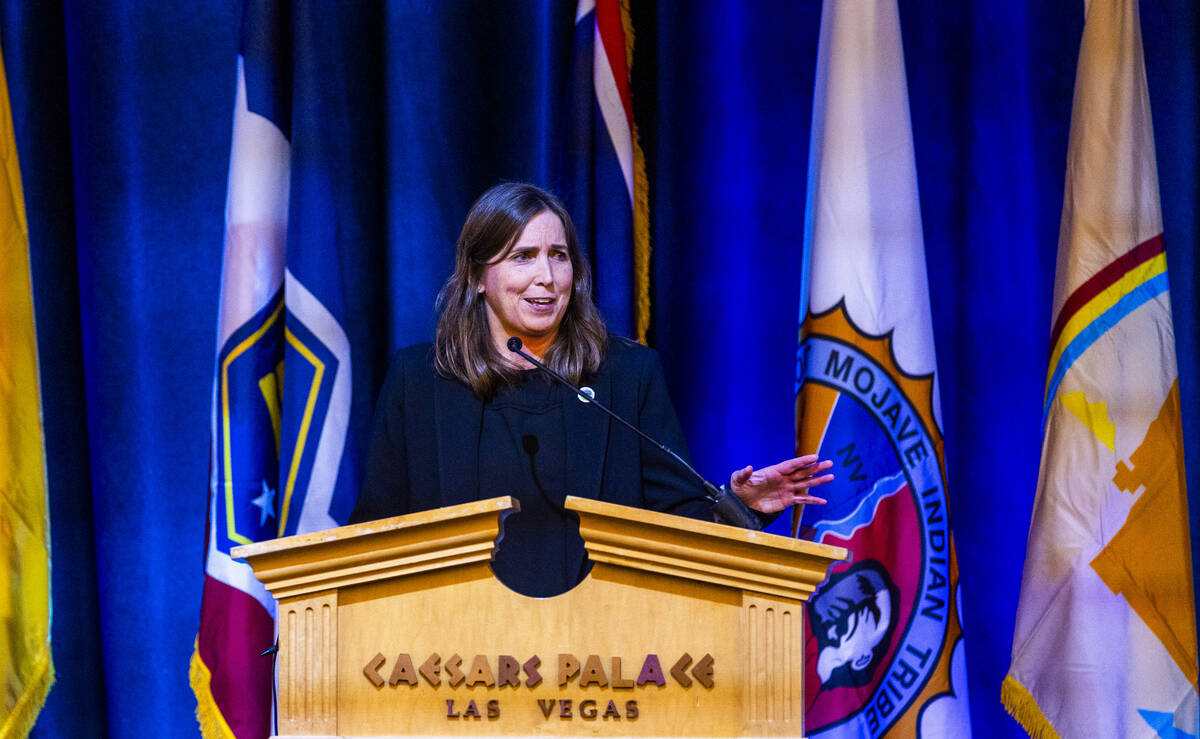




Last week’s Colorado River Water Users Association conference in Las Vegas underscored how urgent and unsettled the basin’s water negotiations remain. With fewer than 60 days before a federal deadline and little progress toward a long-term agreement, the same old allocation debates continue without addressing the fundamental realities of today’s hydrology or the needs of 40 million Americans who depend on the river.
The root of the problem goes deeper than personalities or deadlines — it lies in the underlying framework itself. The 1922 Colorado River Compact was crafted for a century that overestimated water supplies and did not price water as an economic good. Today’s dynamics — declining snowpack, long-term drought, competing demands from households, industry and agriculture — expose the limitations of an allocation model that doesn’t reflect scarcity or value.
Instead of continuing to argue over fixed shares, the basin’s leaders should explore a market-based pricing model for water that follows clear priorities:
1. Ensure people first: Water pricing must guarantee affordable and reliable supply for residents now and as populations grow.
2. Support growth responsibly: Pricing should reflect real costs so that industries and communities can plan and invest without artificial shortages or waste.
3. Reflect true agricultural costs: Local agriculture that feeds communities deserves fair access, while large-scale export agriculture should bear pricing that accounts for the full cost — especially when inefficiencies such as nearly 1 million acre-feet lost annually to open-channel evaporation persist.
Revenue from water pricing could be reinvested into proven solutions: conservation efforts, upgrading delivery infrastructure, capturing evaporation losses and funding innovative tools such as desalination. This creates a positive feedback loop where the value of water directly fuels efforts to stretch every drop further.
The conference showed how stuck the current process is. While negotiators panel up and deadlines loom, hydrologic forecasts remain grim and progress elusive. It’s time for a paradigm shift — from allocating based on a century-old myth of abundance to valuing water in ways that drive conservation, fairness, and resilience.