Funding for DNA testing key to cracking cold criminal cases

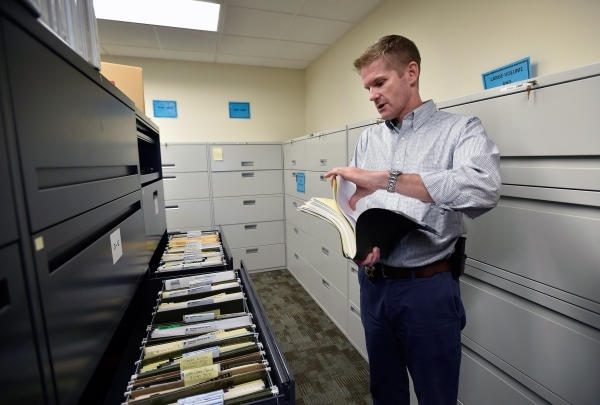
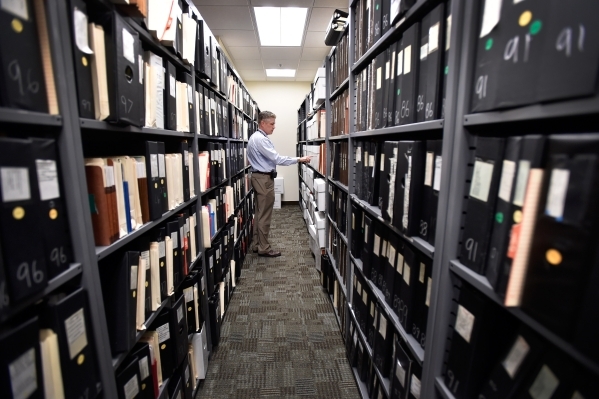
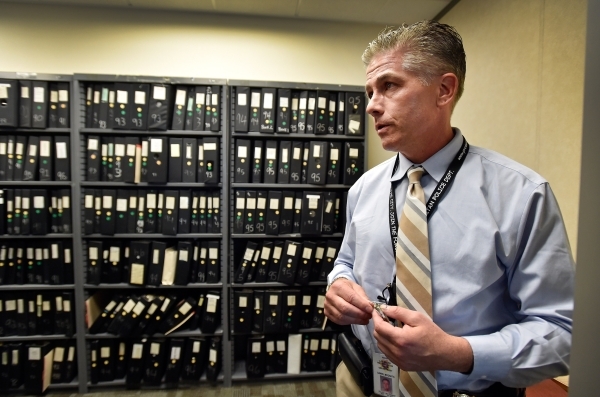



Kim Murga, Metro's forensic laboratory director, said untested rape kits go back to 1983, before DNA testing became more common about 15 years ago. Nevada is no different from most of the nation, which is struggling to confront rape kit backlogs and the high costs associated with catching up, she said.
Of the 6,300 kits yet to be tested in Southern Nevada, 5,600 are Metro cases, she said. A DNA test costs about $1,000 — plus the costs of manpower and necessary travel, Roberts said.
But Metro and several other agencies are teaming up to find funding.
Murga wrote a grant proposal for the Bureau of Justice Administration's Sex Assault Kit Initative, which could net Metro and its partners $1.9 million and allow them to outsource about 1,300 rape kits.
One requirement for the grant is that every major player is at the table, Murga said. So Metro is teaming up with Henderson police, the attorney general's office, Douglas County, the Rape Crisis Center and UNLV.
Nevada's two full-service forensics labs are on board, with the goal of creating a statewide victim notification system and updated policies, Murga said.
The New York County district attorney's office is offering $35 million in grants for sexual assault DNA tests. The grant, from a pot of the county's forfeitures and seizures, could net Las Vegas police $2 million and the chance to outsource about 3,000 kits.
"It'll be well more than half (the backlog)," Murga said.
Metro should hear if it was awarded the grants in a month or two.
"We've had a lot of good progress on this issue so far," Murga said. "I am optimistic."
A CENTRALIZED UNIT
Metro has decentralized many of its detectives, but it wants to bring cold case investigators working in homicide, sexual assault and missing persons units together under the same umbrella.
Las Vegas police typically tap a detective or two in each unit, as well as some officers with light-duty assignments, to work the old cases. It's a daunting task given the time required to review files and coordinate with the forensics labs. Roberts said the decentralization of other units will save on overtime and free up resources for a cold case squad.
"They're overwhelmed with the workload, so we need one point of contact that can prioritize stuff," Roberts said. "That way nothing falls through the cracks."
The new cold case unit is likely to include two full-time and two part-time homicide detectives, two full-time sexual assault detectives, one investigator for missing persons and a staffer devoted to looking for grants to fund operations. Part-time positions will be staffed by retired detectives who "still have a burn in their stomach to do some of this work," Roberts said.
A homicide detective assigned a cold case is generally given a month or two to review the file and look for any investigative leads that could be re-examined or any DNA evidence that could be run through the FBI's Combined DNA Index System national database known as CODIS.
"DNA is really the driving force behind solving these cold cases," Lt. Dan McGrath said.
McGrath said that, thanks to a change in state law, Metro takes a DNA sample from every person arrested for a felony. Those samples are tested and uploaded to CODIS, which police say has changed the game for solving cold cases and identifying serial offenders.
"It's actually a very lengthy process," he said. "It's costly and time consuming."
It can take anywhere from six weeks to more than a year to get DNA results, and it doesn't guarantee an arrest even when there is a match on CODIS. Homicide cases in which the primary suspect has confessed, died or gone to jail will fall lower on the list of priorities.
And cases can still be worked in the absence of DNA evidence. McGrath said investigators can leverage neighborhood relationships and use old-fashioned detective work to solve viable cases.
"There's some neighborhoods where people wouldn't cooperate. We haven't had that great of a relationship before," he said. But Metro's emphasis on community-oriented policing has made a big difference. "That could help us solve some of these cases."
A DNA match is just a good investigative lead, not an automatic indictment. Detectives have to do a follow-up investigation and get comparison DNA swabs before they can even meet with prosecutors. And cold cases involving sexual assaults and missing persons have their own special needs.
"If they get DNA off a cigarette butt, it at least means that person was at the scene," McGrath said. "But you can't just run out and arrest someone because you get a CODIS hit."
Sgt. Zack Burns of the missing persons unit said federal guidelines dictate a lot of his team's cold case protocols.
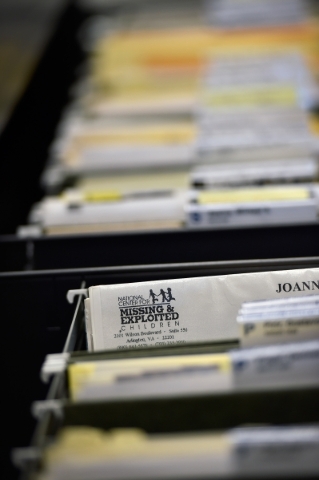
Anyone who is reported missing and perceived to be in danger is added to the FBI's National Crime Information Center and gets a number. After 45 days, police have to gather biometric data to add to their NCIC file, including DNA samples from two relatives, fingerprints and dental records.
Getting those samples is hard work that can sometimes take years, and about 200 missing persons files have yet to be archived into Metro's new case management system.
"Theyre just incredibly time consuming to go through," Burns said.
DNA and dental records are crucial, because the majority of the missing persons cases are likely bodies that could not be identified.
Contact Wesley Juhl at wjuhl@reviewjournal.com and 702-383-0391. Find him on Twitter: @WesJuhl