Surgeon general advises Americans to carry opioid OD antidote





ATLANTA — The nation’s chief doctor wants more Americans to start carrying the overdose antidote naloxone to help combat the nation’s opioid crisis and save lives.
Speaking at the National Rx Drug Abuse & Heroin Summit in Atlanta on Thursday morning, U.S. Surgeon General Dr. Jerome Adams issued his office’s first national public health advisory in 13 years.
Adams said he hopes those who are at risk — as well as their friends and family members — will keep the antidote on hand and learn how to use it.
“You don’t have to be a policeman or a firefighter or a paramedic to save a life,” said Adams, who pointed out that more than half of opioid overdose deaths in the U.S. occur at home.
According to federal data, more than 42,000 Americans suffered fatal opioid overdoses in 2016, more than double the number who died in 2010.
Naloxone can restore a person’s breathing after it is injected or sprayed in the nostrils, quickly bringing overdose victims back from near-death.
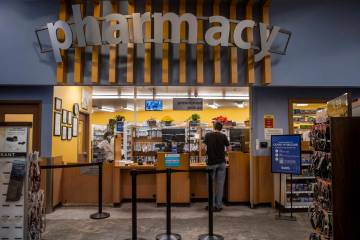
The drug, which is often referred to by the brand names Narcan or Evzio, is available over the counter in most states and is regularly used by first responders across the country.
Adams said 95 percent of all insured Americans are covered to purchase naloxone. Narcan nasal spray, one of the most widely available products, can cost around $80 for one dose. Generic, injectable versions of naloxone are cheaper.
For those who are uninsured, the antidote is often available at little or no cost through local public health programs, Adams said. He also wants more federal funds dedicated to increasing naloxone access on local levels.
“Costs should not and, in the near future, will not be a barrier to accessing naloxone for anyone in America,” Adams said.
As of July 2017, all 50 states have passed laws improving naloxone access, according to The Network for Public Health Law, a nonprofit that helps government agencies.
Maine’s Republican Gov. Paul LePage has been one of the most outspoken opponents of the push, arguing that naloxone doesn’t treat addiction and merely discourages people from seeking treatment by essentially offering a safety net if they do overdose.
Proponents, however, argue that greater access to naloxone doesn’t draw people to illegal drug use or foster an addiction.
Adams said naloxone will not single-handedly solve the opioid crisis and should instead be used “in conjunction with expanded access to evidence-based treatment.”
“There are people out there who think naloxone doesn’t make a difference: you’re just going to go on and misuse substances again,” Adams said. “That would be like me saying I’m not going to do CPR on someone having a heart attack because if we save them, they’re just going to go out there and eat fast food and be back here all over again.”
Adams’ recommendation for more people to possess naloxone comes a month after Philadelphia’s health department urged residents to do the same.
Prior to his current role, Adams had been Indiana’s health commissioner, where he promoted needle-exchange programs aimed at stemming the spread of diseases among intravenous drug users.
The last surgeon general public health advisory was issued in 2005 and focused on prenatal alcohol exposure.