Ancient gate to hell emitting deadly gases
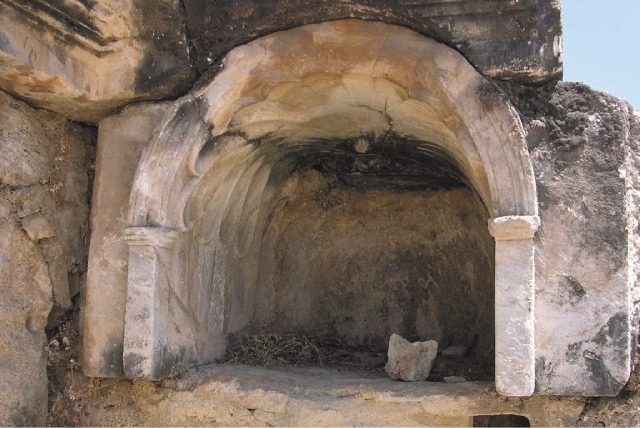
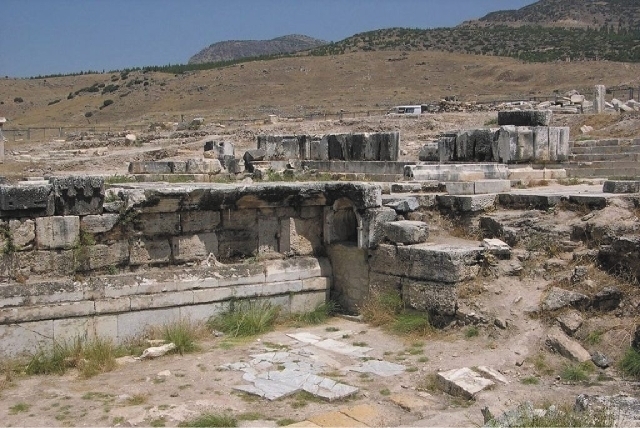





An ancient portal to the underworld continues to emit toxic gases more than 2,000 years after it was built.
The “gate to hell,” consisting of a temple, pool and cavern, was seen by ancient Greeks as a passage to the underworld. The portal, located in an ancient Phyrgian city in modern-day Turkey, was built on top of a cave that emitted toxic vapors.
Ancient Greeks used the vapors in rituals honoring Pluto, god of the underworld. Slate reports that visitors to Pluto”;s Gate two millennia ago could buy small animals to test the toxic air. Only a priest could stand at the opening of the portal.
“This space is full of a vapor so misty and dense that one can scarcely see the ground. Any animal that passes inside meets instant death,” ancient Greek philosopher Strabo wrote. “I threw in sparrows and they immediately breathed their last and fell.”
Mirroring the experiences of Strabo, the Italian archaeologists who uncovered the portal noted to Slate that several birds dropped dead after flying too closely to the site.
Pluto”;s Gate was uncovered earlier this year by a team led by Francesco D”;Andria from the University of Salento, in southern Italy, ksl.com reported at the time. Archaeologists had been excavating ruins in the ancient Phrygian city of Hieropolis when the discovery was made.
Compiled from Review-Journal news services.