4 health tips to stay safe while traveling overseas



Question: I have a group of friends with whom I love to travel. We plan several trips a year, and this spring we are planning to go outside the U.S. and visit the Caribbean. We will stay at an all-inclusive resort in a popular destination and do a few sightseeing day trips in the area. Are there things we should do to be safe while traveling?
Answer: Travel is always a fun activity to enjoy with friends and can provide fond memories. In addition to just transporting you to a different place, travel can broaden your perspective, increase your happiness, give you a chance to try new things, boost your creativity and help you recharge.
As I’m sure you have found, even planning a trip can be an exciting task. The anticipation of mapping an itinerary and scheduling your must-see attractions can bring a lot of joy and happiness.
Unfortunately, nothing can ruin a trip like illness. Even in an all-inclusive resort, knowing how food is prepared or the water supply quality is not possible. Mosquitoes and other insects could still be a concern.
Four things to remember as you plan your travel, regardless of your accommodations:
Vaccinate
First, I recommend that all travelers be vaccinated against the flu and up to date with COVID-19 vaccines and boosters. In addition, it’s important to complete the adult vaccination schedule that includes vaccinations for chickenpox; diphtheria, tetanus and pertussis; pneumococcal bacteria; measles, mumps and rubella (MMR); polio; and shingles.
Additional vaccines may be recommended depending on your travel itinerary. For example, hepatitis A vaccination is recommended for people traveling to Southeast Asia. This is because some infections are more prevalent in tropical settings than in temperate climates. For example, typhoid fever and hepatitis A are more common in Southeast Asia because these communicable diseases can be spread through contaminated water. Some areas of Africa and South America have a higher prevalence of yellow fever and malaria.
If you are unsure if other vaccines are recommended for your destination, I advise having a conversation with your primary care clinician and reviewing the Centers for Disease Control and Prevention recommendations.
Consume cautiously
Food and water safety are important while traveling. Only eat well-cooked food. Avoid eating uncooked foods, such as salad and raw vegetables, and from roadside stands. Drink bottled beverages only, including bottled water. This is especially important if you travel in resource-limited regions during sightseeing day trips.
Wash hands; consider masking
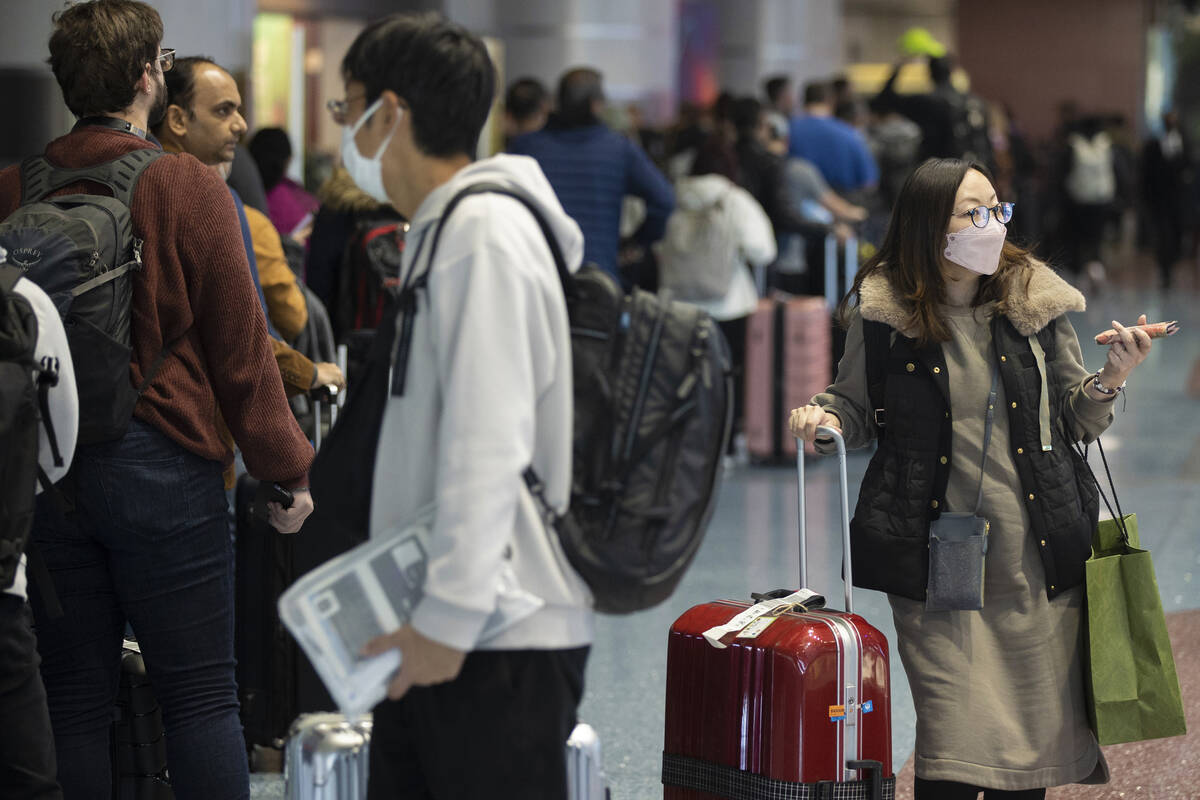
Hand hygiene is essential at home and overseas. Wash your hands often using soap and hot water. Follow respiratory etiquette by covering your mouth and hands when you sneeze or cough, and washing your hands after. Consider optional masking in crowded and indoor spaces.
Sun and bugs
Finally, plan for the sun and bugs. Mosquitoes and bugs can transmit parasites and diseases, such as yellow fever and malaria. Prophylactic malaria medications are available and are started before the travel, continued during the stay and for a certain duration after returning home. A travel medicine specialist can review the risks and benefits of all prevention and treatment options.
Also, use mosquito repellents and mosquito nets, if appropriate, in your travel destination. Additionally, don’t forget to pack your sunscreen, as you also want to reduce your risk for sun damage, which can create other challenges while traveling.
If you plan additional trips in the future that have a complex itinerary with multiple countries or are traveling to Southeast Asia or Africa, it’s best to make an appointment with a travel medicine specialist about two months before travel.
I also recommend that if you or your friends have any immunocompromising conditions, you seek travel medicine consultation to reduce the risk of illness during travel.
Dr. Raj Palraj is an infectious disease specialist with the Mayo Clinic Health System in La Crosse, Wisconsin.