



How much sleep do we really need?
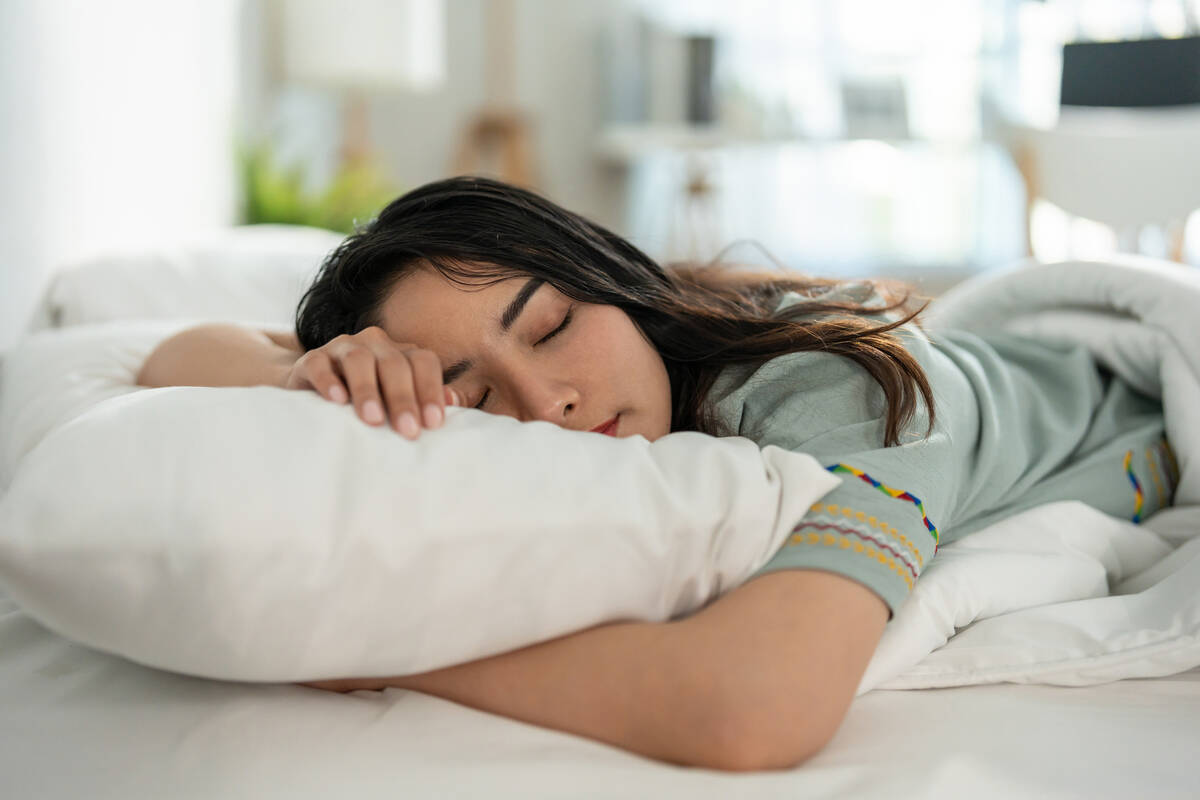


Chances are, if you’re reading this, you got some sleep last night. But are you feeling rested?
Experts say it’s an important question to consider.
Most of us spend a third of our lives sleeping, but you may need more or less than eight hours a night. The number of hours needed changes throughout your life, with babies and kids needing more sleep and people 65 and older able to function on slightly less than seven to nine hours.
Here’s what sleep scientists and doctors say about how much you really need — and whether your gender plays a role.
Quality over quantity
Sleep is still a mystery, despite how critical it is for our health.
“The reasons aren’t entirely clear, but it’s an essential thing that we all do,” says Dr. Rafael Pelayo, a sleep specialist at Stanford University. “Something remarkable happens when you sleep. It’s the most natural form of self-care that we have.”
Most of the population gets seven to nine hours — and that particular category has the lowest association with health problems, says Molly Atwood, a behavioral sleep medicine clinician at Johns Hopkins.
Once people either dip into less than six hours of sleep or get more than nine hours on average, the risk of health problems inches up, Atwood says, but everybody is different.
When you’re trying to figure out how much sleep you need, it’s important to think about the quality of it, Pelayo says: “What you really want to do is wake up feeling refreshed — that’s what it’s about.
“If somebody tells me that they sleep many hours but they wake up tired, something is wrong,” Pelayo adds. “You shouldn’t leave your favorite restaurant feeling hungry.”
Changes in our sleep
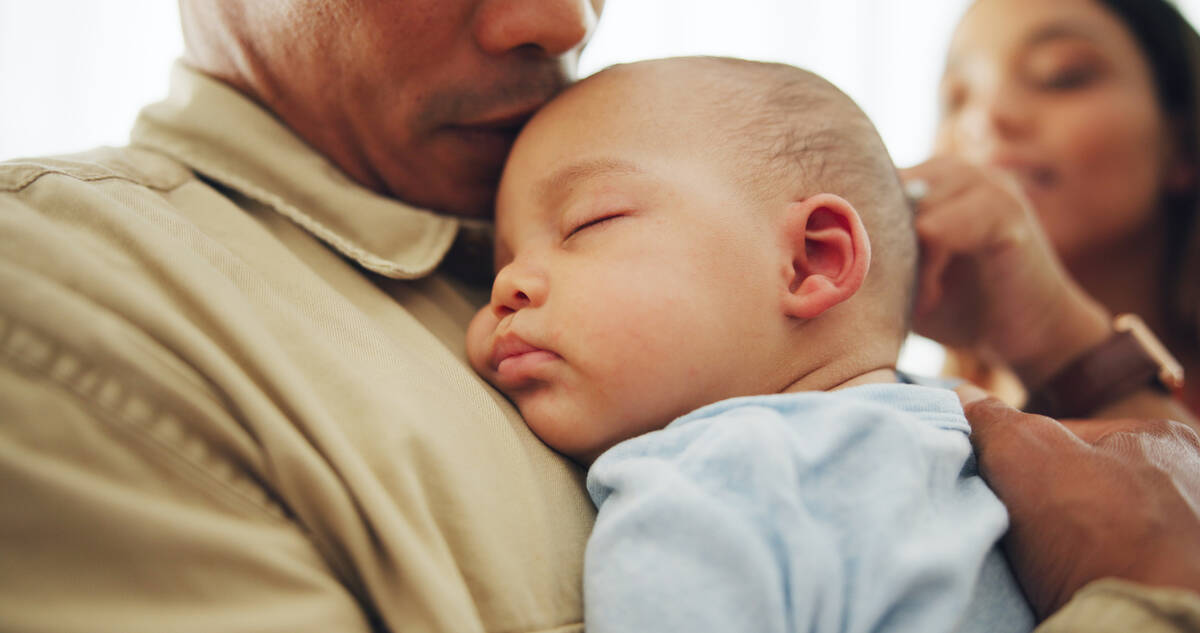
The amount of sleep we need changes throughout our lives. Newborns need the most — 14 to 17 hours.
“Definitely when we’re babies and children, because we are growing so rapidly, we do need a lot more sleep,” Atwood says.
The National Sleep Foundation recommends most adults ages 26 to 64 get seven to nine hours of sleep. People who are 65 and older can get slightly less, and young adults ages 16 to 25 can get slightly more.
Humans cycle through sleep stages roughly every 90 minutes. In the first portion of the night, Atwood says, more of the cycle is slow-wave sleep, or deep sleep, which is essential to repairing and restoring the body. It’s also when “growth hormone” is released.
In the latter hours of the night, more of the sleep cycle is spent in rapid-eye movement sleep, or dream sleep, which is important for learning and memory consolidation, or the process in which short-term memory gets turned into long-term memory.
Kids get more “deep sleep,” with about 50 percent of the night in that realm, she says. That drops at adolescence, Atwood says, because our body doesn’t need the same kind of repair and restoration.
Gender differences
Something else interesting happens around puberty: Gender-based differences in sleep start to crop up.
Research doesn’t show that women need more sleep — but women do get slightly more sleep on average than men, Atwood says.
It starts at a young age. Though they have the same sleep needs, teenage girls seem to get less sleep than teenage boys, Pelayo says. Additionally, teenage girls tend to complain of insomnia more frequently.
When women become first-time mothers, they often care for newborns throughout the night more frequently, which means less sleep, says Allison Harvey, a clinical psychologist and professor who studies sleep at UC Berkeley.
Hormones may also impact women’s sleep quantity and quality during pregnancy and menopause.
“With menopause in particular, women can develop deterioration in their sleep with an increased number and duration of nighttime awakenings,” says Dr. Mithri Junna, a Mayo Clinic neurologist who specializes in sleep.
Women may also need more sleep right before their menstrual cycle, Atwood says.
“There are definitely times that your body’s telling you that you need more sleep,” she says. “It’s important to listen.”
When to seek help
You’ll know if you’re not getting enough sleep if you’re feeling grumpy, irritable and inattentive. Long term, those minor symptoms can become serious problems — even deadly.
“If you’re not getting enough sleep or you have untreated insomnia or sleep apnea, your risk of depression increases,” Atwood says. “Your risk of cardiovascular issues like high blood pressure, risk of heart attack and stroke increases. Your immune system is compromised. You’re at greater risk for Alzheimer’s.”
If you’re getting the recommended amount of sleep every night but still waking up feeling tired, you might consider going to your primary care physician. They can rule out other health conditions that may affect your sleep, Atwood says. If problems persist, seeking out a sleep specialist could be helpful.


