Savvy Senior: What are the early signs and symptoms of diabetes?





Dear Savvy Senior: What are the early signs and symptoms of diabetes? I’m 60 years old, and in pretty good shape, but was just diagnosed with Type 2 diabetes. What did I miss? — Diabetic Dan
Dear Dan: The signs and symptoms of Type 2 diabetes can be so mild that many people miss them. That’s why testing is crucial. Here’s what you should know.
According to the Centers for Disease Control and Prevention, more than 38 million Americans have diabetes, and another 97 million have prediabetes, but many of them don’t even know they have it.
Type 2 diabetes is a disease that develops slowly over decades. Most people have prediabetes for a long time before the disease progresses to diabetes.
Diabetes occurs when your blood glucose, also called blood sugar, is too high. This excess blood sugar damages blood vessels and affects circulation, putting you at risk for a host of ailments, from heart attack and stroke to blindness, kidney failure and nerve damage.
According to the CDC, diabetes was the eighth-leading cause of death in the U.S. in 2021.
Signs and symptoms
So how can you tell if you have diabetes? The earliest signs, which are usually subtle, include urinating more frequently (often at night), being thirstier and hungrier than usual, losing weight without trying, feeling very tired and having dry itchy skin and blurry vision.
The symptoms that can indicate that advanced diabetes and long-term damage have occurred include cuts or sores that heal slowly, having more infections than usual, and pain or numbness in your feet or legs.
Who should get tested?
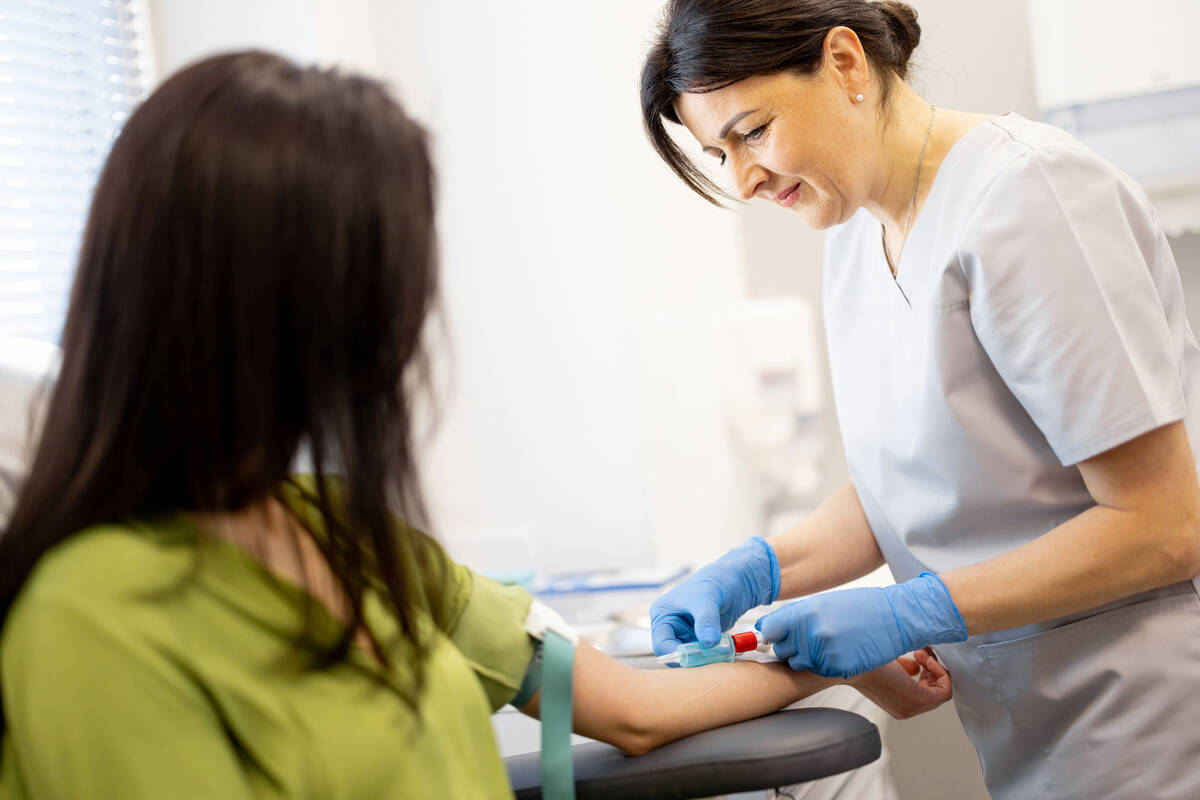
Because prediabetes typically causes no outward symptoms, and the signs of early Type 2 diabetes can easily be missed, the only way to know for sure is to get a blood test.
Everyone 45 or older should consider getting tested for diabetes, especially if you are overweight with a body mass index above 25. See CDC.gov/bmi to calculate your BMI.
If you are younger than 45 but are overweight, or have high blood pressure, a family history of diabetes, or belong to an ethnic group (Latino, Asian, African or Native American) at high risk for diabetes, you should also get checked.
To help you determine your risk for diabetes, the American Diabetes Association has a quick online test at Diabetes.org/risk-test.
Diabetes tests
There are three different tests your doctor can give you to diagnosis diabetes. The most common is the fasting plasma glucose test, which requires an eight-hour fast before you take it. There’s also the oral glucose tolerance test to see how your body processes sugar, and the hemoglobin A1C test that measures your average blood sugar over the past three months. It can be taken anytime regardless of when you ate.
Most private health insurance plans and Medicare cover diabetes tests. However, if you’re reluctant to visit your doctor to get tested, an alternative is buying a blood glucose meter and testing yourself at home. They cost around $20.
If you find that you are prediabetic or diabetic, you need to see your doctor to develop a plan to get it under control. In many cases, lifestyle changes such as losing weight, exercising and eating a healthy diet may be all you need to do to get your diabetes under control. For others who need more help, many medications are available.
For more information on diabetes or to find help, join a lifestyle change program recognized by the CDC (CDC.gov/diabetes-prevention). These programs offer in-person and online classes in more than 1,500 locations throughout the U.S.
Send your senior questions to: Savvy Senior, P.O. Box 5443, Norman, OK 73070, or visit SavvySenior.org.