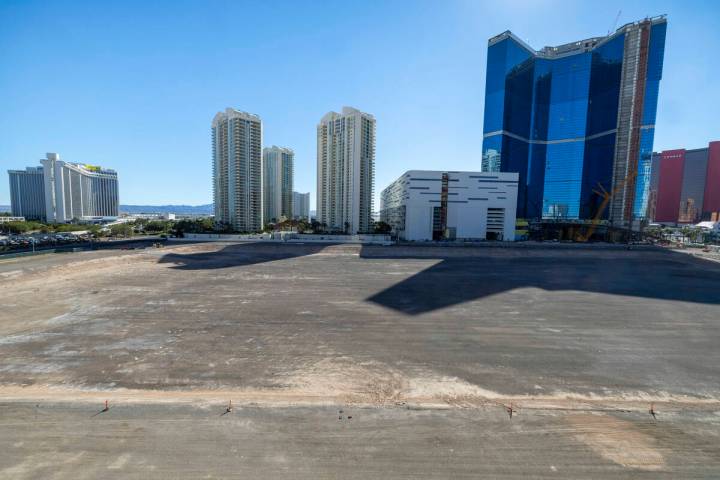
Two multibillion-dollar resorts — both with arenas that would be capable of hosting an NBA team — are in the works for Southern Nevada. Are both of them financially viable?




Two multibillion-dollar resorts — both with arenas that would be capable of hosting an NBA team — are in the works for Southern Nevada. Are both of them financially viable?

The developer said it would take $310 million to build a launching pad, a runway for spaceplanes, a control tower, a flight school and a 200-room casino resort.

Officers were diverted from another call and sped down West Charleston Boulevard to the April 8 shooting scene at the Prince Law Group in City National Bank building.

Aidan O’Connell and Gardner Minshew will compete for the starting quarterback job after the Raiders failed to address the position during the NFL draft.

The historic downtown Las Vegas gambling hall will add two bars, a restaurant and more casino floor space later this year.

People have a lot of opinions on pizza, but given that Americans could eat up to 180 slices in a year, it only makes sense that all details are considered when choosing a go-to local spot.

They are few but mighty at the moment, small crowds of longtime diehards determined to cheer their beloved A’s this year before they relocate to Sacramento for the next three seasons and, later, Las Vegas.
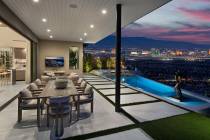
The community boasts views of the entire Las Vegas Valley and features properties that cost up to $6 million.

Food and drink specials, prix fixe menus, bottomless boozing and more to celebrate the mother(s) in your life.

The Sphere continues to lose money, but officials say the Las Vegas entertainment venue is improving financially and will add sound soon to its exterior display.

About 700 hospitality workers at an off-Strip casino have walked off the job and will withhold work for two days while pressing their employer to reach a deal over their five-year contract.

A pedestrian was killed Friday morning in the northeast Las Vegas Valley.

Students for Justice in Palestine claim members ended a days-long hunger strike “due to the administration’s willingness to meet demands.”

Roger Thomas spent 20 years designing for Wynn Resorts. He shares his evocative design philosophy.

The band known for 1980s hits such as “Pretty in Pink” and “Love My Way” entertained an energetic crowd with their third Vegas visit over the last three years.

Las Vegas, a city known for its world-class entertainment and vibrant food and spirits scene, has been captivated by the exclusivity of O’RTE Single Estate Tequila. This tequila, a product of exceptional craftsmanship and authentic flavors, has swiftly become a favored choice among the city’s cocktail aficionados and sophisticated palates of global visitors, offering them […]






President Joe Biden and Vice President Kamala Harris welcomed the back-to-back WNBA champion Aces to the White House to celebrate their achievement.

Buzz around the music scene is, Zac Brown Band is prepping for a residency at the Sphere. The person providing the buzz is Zac Brown.

Las Vegas’ only indie-movie theater announced plans to launch a distribution arm to promote underseen films in markets everywhere.

With court losses mounting against Las Vegas taxpayers, the city on Wednesday defended continuing its legal battle with the would-be developer of the Badlands golf course.