The “Lovers & Friends” festival has been canceled, according to event organizers. This was to be the third installment of the annual hip-hop and R&B festival.




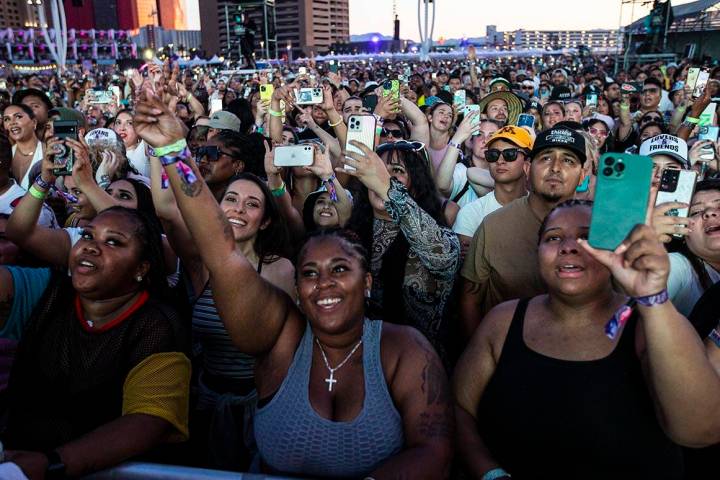
The “Lovers & Friends” festival has been canceled, according to event organizers. This was to be the third installment of the annual hip-hop and R&B festival.
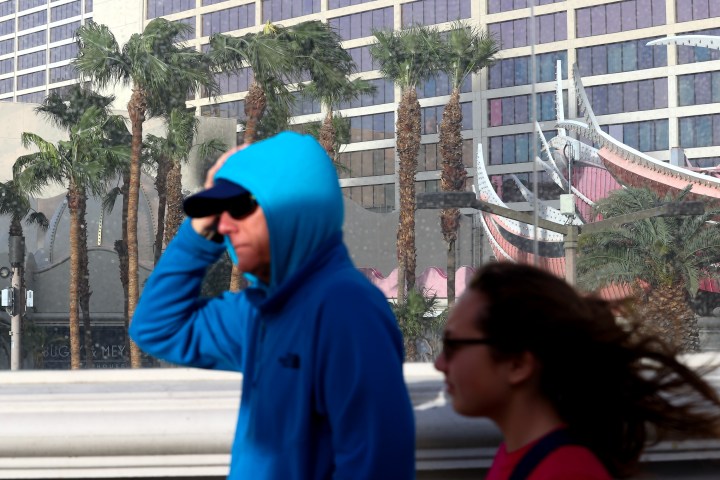
Southwest winds of 25-35 mph with gusts to 60 mph are possible late Saturday morning through Sunday evening. Mountain wind gusts may reach 75 mph.
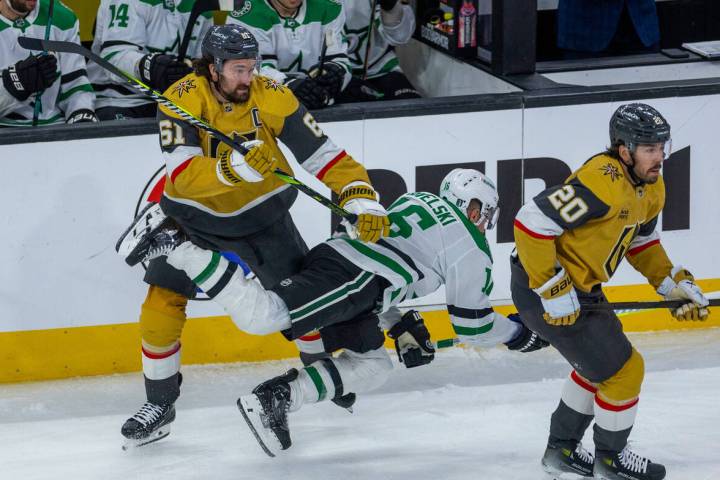
Noah Hanifin broke a scoreless tie in the third period, and Adin Hill made 23 saves as the Golden Knights shut out the Dallas Stars in Game 6 on Friday.
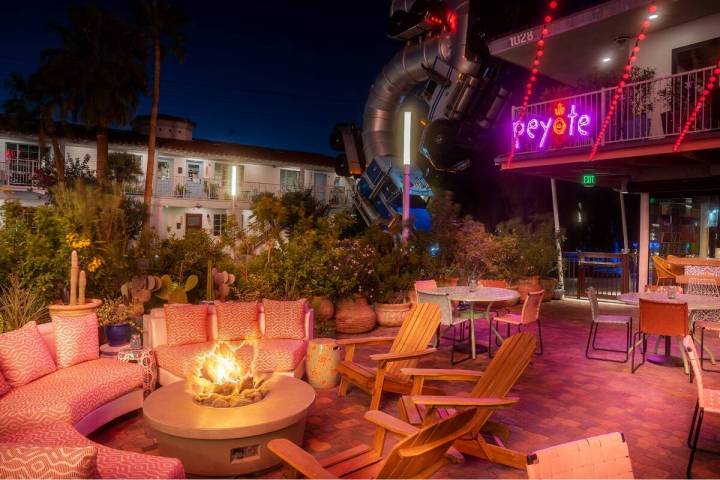
The restaurant is owned by a big-name Vegas hospitality company with several other outlets in its portfolio.

The Donald Trump campaign and Republican officials filed a lawsuit over a Nevada law that accepts mail ballots up to four days after an election.
The public school district that covers the Las Vegas Valley is launching a recruitment campaign that will primarily target teachers in California.
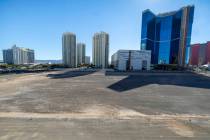
A group of local developers are looking to build a 2,500-room resort with 20,000-seat arena on the former Wet ‘n Wild site once targeted for Jackie Robinson’s All Net Arena.

Las Vegas loves to Cinco. Here are some places featuring food and drink specials and other Cinco de Mayo events.

Vice President Kamala Harris’ planned trip to Las Vegas was pulled. She will remain in Washington D.C. instead, according to the White House.
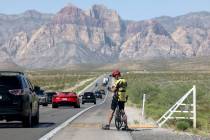
The trail features plans for a shared use pathway from Summerlin to Red Rock Canyon and to widen SR159 near Red Rock Canyon.

A pedestrian was killed Friday evening in the east valley while crossing the street outside of a marked crosswalk.
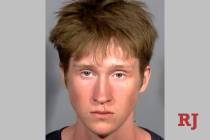
An 18-year-old man was arrested in connection with a woman found stabbed to death in a dumpster enclosure in the west valley.

The menu features dishes inspired by the favorite foods of Monkey D. Luffy and other adventuring characters.
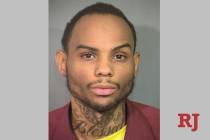
Shane Valentine, 31, had been a person of interest in the still-unsolved 2016 shooting deaths of Sydney Land, 21, and Nehemiah “Neo” Kauffman, 20.

A multi-agency operation targeting online child sex predators led to 18 arrests in Henderson last weekend, according to authorities.

The on-demand beauty service that’s gained a cult following from NYC to LA has recently expanded into Las Vegas. From socialites, celebs and gala-goers to high-profile execs and busy moms, Glamsquad is the go-to beauty service for moments big and small. Glamsquad’s team of talented and trusted beauty professionals come to you anytime, anywhere. That […]
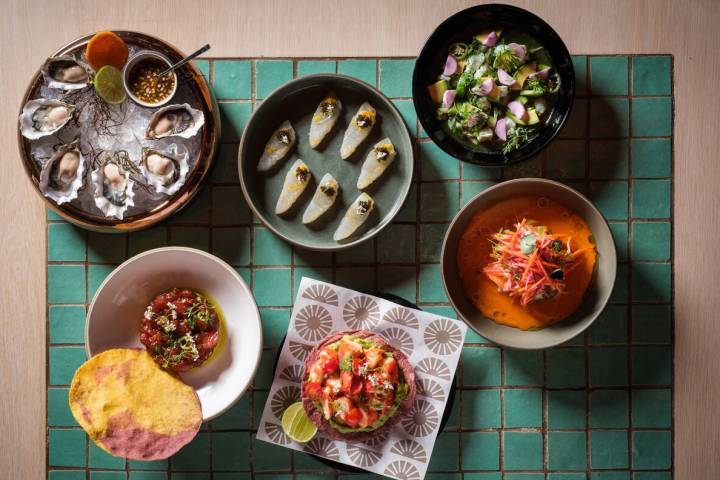
Las Vegas loves to Cinco. Here are some places featuring food and drink specials and other Cinco de Mayo events.
Colin Czech appeared in court days after he told police he ate parts of his alleged murder victim in Las Vegas.

The trains, designed to go up to 220 mph, will be able to take Brightline West passengers between Las Vegas and Southern California in less than two hours.
Scott Sibella, former president of MGM Grand and Resorts World, faces sentencing in California and is the subject of a Nevada Gaming Control Board complaint.