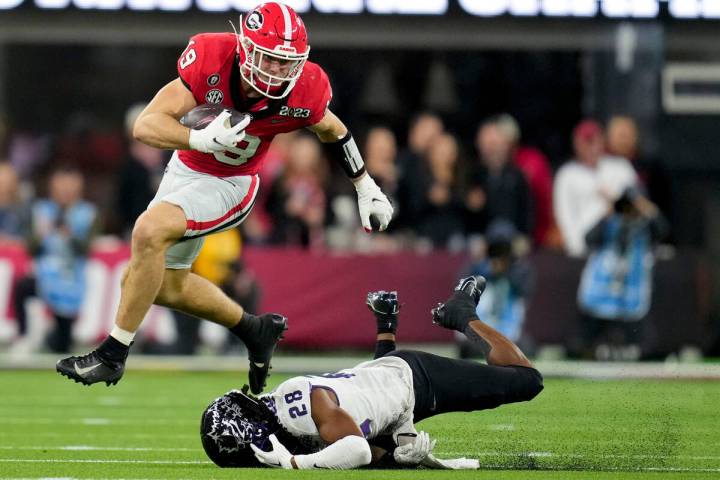
The wait is over. Here is who the Raiders picked in the first round of the 2024 NFL draft, and it came as a shock to many observers.




The wait is over. Here is who the Raiders picked in the first round of the 2024 NFL draft, and it came as a shock to many observers.

Former Bishop Gorman standout Rome Odunze was selected ninth by the Chicago Bears, and former Liberty athlete Troy Fautanu went 20th overall to the Steelers.

Two Henderson parents have been arrested on suspicion on child abuse after police found an 11-year-old inside a large metal enclosure inside a residence.

Matt McMullen has been at it for decades. His most realistic creation yet is a supermodel-esque woman with blonde-brown hair who speaks with a mild Scottish accent.
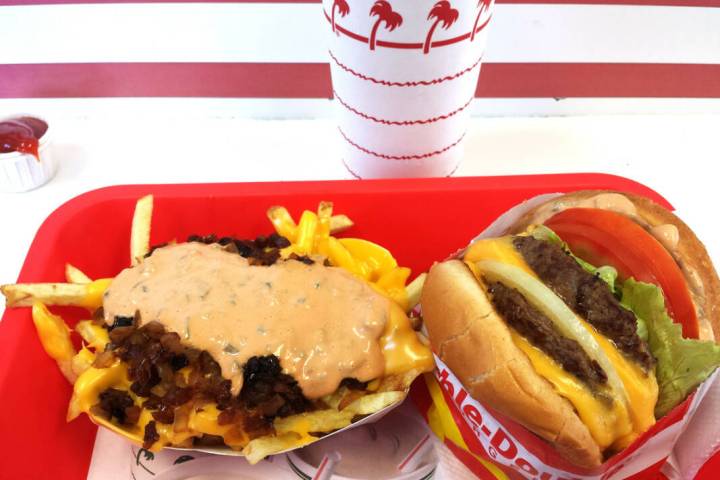
In-N-Out’s “secret menu” includes items ranging from pimped-out cheeseburgers to something called a whole grilled onion.
The crash occurred near Galleria Drive and Dave Wood Circle, north of East Lake Mead Parkway.

The 6:25 p.m. incident occurred in an apartment complex near West Tropicana Avenue and South Jones Boulevard.

Sick New World, Holo Holo and the Water Lantern Festival lead this week’s Las Vegas entertainment lineup.
The Clark County School District is looking to make it easier to hire retired employees to fill “critical” vacant teaching, other jobs.

Clark County School District police arrested a man connected to a student-teacher fight.
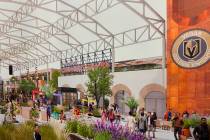
The Hylo Park and Gateway Village are two mixed-use projects in North Las Vegas. Though they started at different points, both projects could finish at similar times.

The first incident was reported to have happened about 2:45 p.m. Wednesday and a second incident about 3:10 p.m., both near Paradise Hills Drive and Greenway Road.

The class-action lawsuit estimates more than 1,000 Las Vegas restaurants may have been affected by “false identities” on the Uber Eats website.

A former Henderson resident has been sentenced in federal court for his role in producing videos in which animals were tortured and killed.
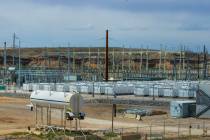
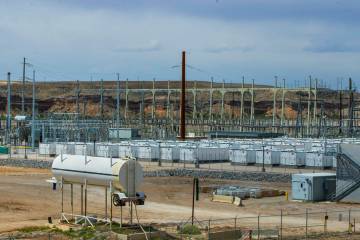
NV Energy held a ribbon cutting ceremony for a $257 million battery facility that can stretch the use of solar power into the night and store energy for about 165,000 homes
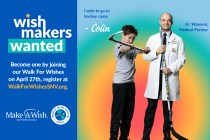
April is World Wish Month! It is a time when the world comes together to make dreams come true for children facing critical illnesses. As long as these brave kids need hope and strength, wish makers like you are essential to their fight. Speaking of wish-making, here’s an exciting opportunity: Walk For Wishes® 2024! Presented […]



Locals can watch movies every Monday evening starting in May on the Strip hotel’s 65-foot digital marquee.

The win was one of several recently across the Las Vegas Valley.
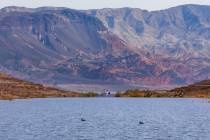
Multiple government bodies are attacking the problem of forever chemicals head on, especially with new regulations handed down from the Environmental Protection Agency.
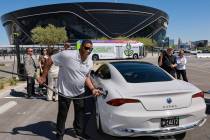
The Raiders and NV Energy joined forces to provide eventgoers at Allegiant Staidum with the ability to charge electric vehicles.