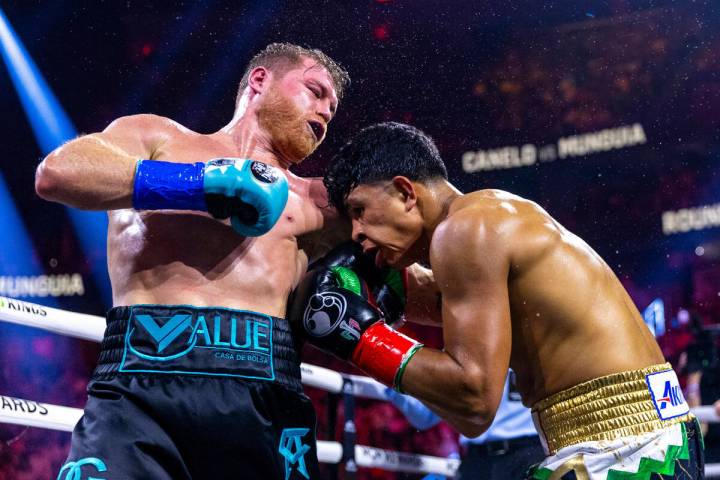
Boxing superstar Canelo Alvarez defended the undisputed super middleweight title Saturday at T-Mobile Arena, defeating the previously unbeaten Jaime Munguia.




Boxing superstar Canelo Alvarez defended the undisputed super middleweight title Saturday at T-Mobile Arena, defeating the previously unbeaten Jaime Munguia.

Las Vegas loves to Cinco. Here are some places featuring food and drink specials and other Cinco de Mayo events.
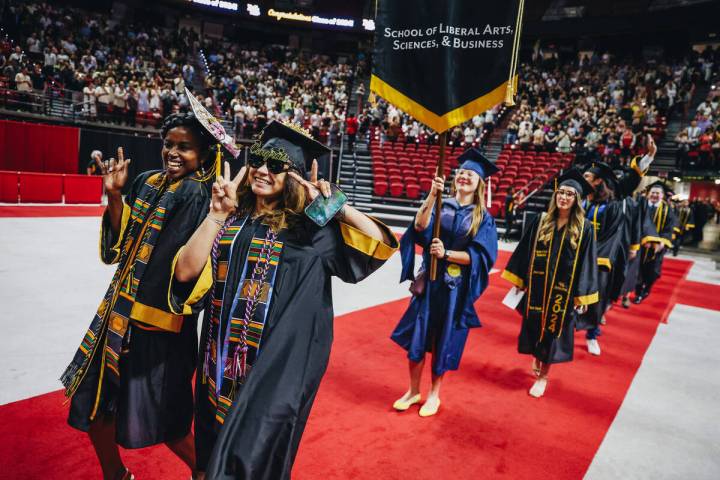
A medical professional hoping to honor her grandmother’s legacy, a first-generation college graduate and a military veteran following in his mother’s footsteps were among the hundreds students who comprised Nevada State University’s class of 2024.

Put on your mask and pull up your spandex briefs: Wrestlemania is coming to Las Vegas for the first time since 1993.
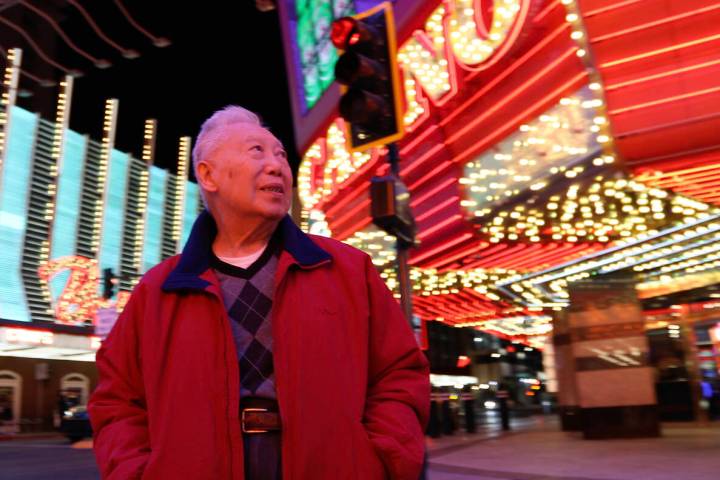
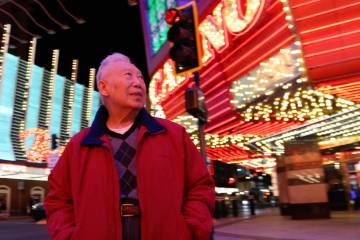
A new documentary shines a light on George Lee, who was hand-picked by George Balanchine for the choreographer’s first staging of “The Nutcracker” with the New York City Ballet.
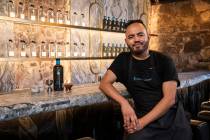
The pair, from bars ranked in the top 10 in the world, are starring in a pop-up at a hidden cocktail lounge.

Three other local brunch places made the top 100 list released by Yelp just in time for Mother’s Day.

After “Lovers & Friends” was canceled Usher played a packed show a Jewel at Aria.

The victim was found dead in a vacant lot on April 28.

A calm Saturday was turning into what is expected to be a 24-hour plus windstorm with gusts to 50 mph or higher. Mountain wind gusts may reach 75 mph.

The restaurant is owned by a big-name Vegas hospitality company with several other outlets in its portfolio.

The Donald Trump campaign and Republican officials filed a lawsuit over a Nevada law that accepts mail ballots up to four days after an election.

A new book explores the life of late Review-Journal reporter Jeff German and the story that investigators say led to his killing.

The public school district that covers the Las Vegas Valley is launching a recruitment campaign that will primarily target teachers in California.
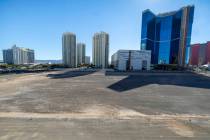
A group of local developers are looking to build a 2,500-room resort with 20,000-seat arena on the former Wet ‘n Wild site once targeted for Jackie Robinson’s All Net Arena.

Technology is wonderful, but it’s good to step away from the devices and into the great outdoors every so often. With thousands of hiking trails, the country’s darkest skies and unforgettable road trips, the Silver State offers numerous ways to get a little out there (while getting off your device). Hiking You’re never too far […]
Las Vegas loves to Cinco. Here are some places featuring food and drink specials and other Cinco de Mayo events.
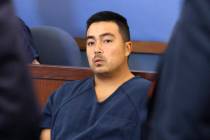
Colin Czech appeared in court days after he told police he ate parts of his alleged murder victim in Las Vegas.

The trains, designed to go up to 220 mph, will be able to take Brightline West passengers between Las Vegas and Southern California in less than two hours.

Scott Sibella, former president of MGM Grand and Resorts World, faces sentencing in California and is the subject of a Nevada Gaming Control Board complaint.