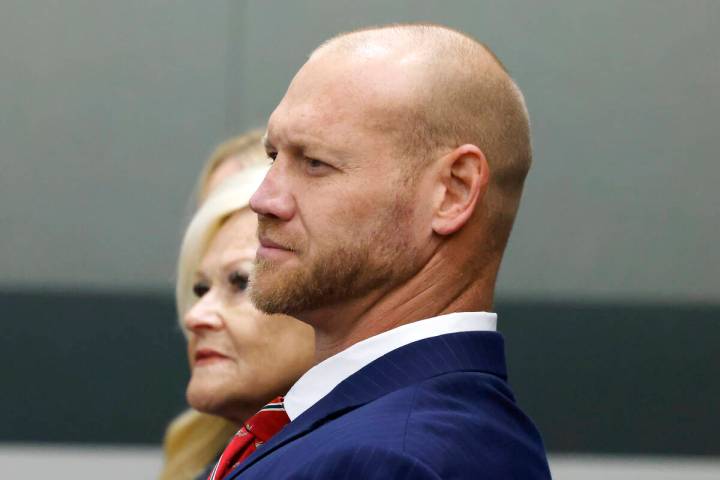
Daniel Rodimer pleaded not guilty to murder in connection with the death of Christopher Tapp, who prosecutors say was fatally beaten at a Las Vegas Strip party.




Daniel Rodimer pleaded not guilty to murder in connection with the death of Christopher Tapp, who prosecutors say was fatally beaten at a Las Vegas Strip party.
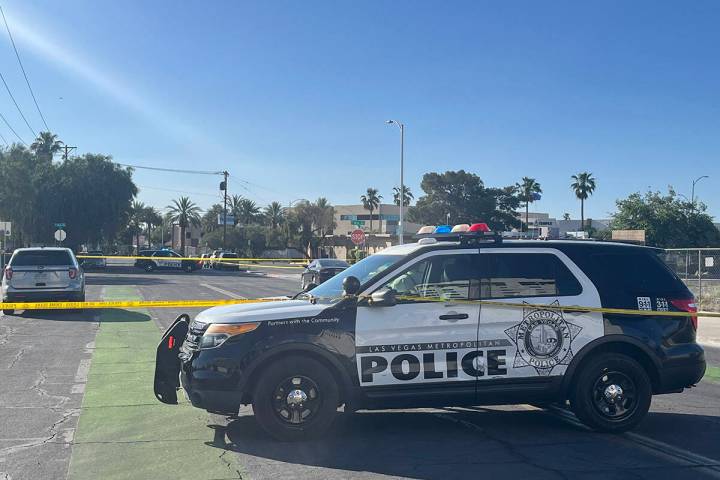
Police are investigating the shooting death of a homeless man Wednesday morning in downtown Las Vegas.
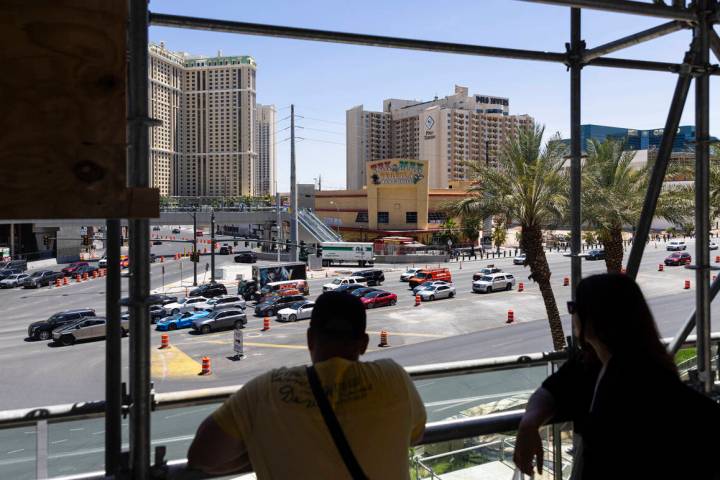
The plans for the 43-story Las Vegas Strip resort backed by billionaire Tilman Fertitta appear to be active as permits have continued to be issued for the site in 2024.

The Oakland Athletics plan to build a ballpark on the site of the Tropicana, but Bally’s says where the stadium will sit on that site is still being determined.

The Metropolitan Police Department arrested a jail staffer accused of stealing cellphones from inmates being transferred to state prison, according to Sheriff Kevin McMahill.

The Raiders are escaping the summer heat of Las Vegas for the coastal climate of Costa Mesa after coming to terms on a one-year agreement to hold training camp there.

The world-famous entertainment venue is hosting its first made-for-TV event in June, when the NHL draft comes to Las Vegas for the first time.

The Golden Knights should do what’s best for the organization when it comes to pending free agent Jonathan Marchessault. That means re-signing him.

Red Rock Resorts says it will first focus on developing a California casino and then look at the second phase of its new resort in the southwest Las Vegas Valley.
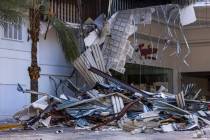
Management of the Strip resort told the County Board of Commissioners the request relates to the construction timeline for the Oakland Athletics’ ballpark plan.
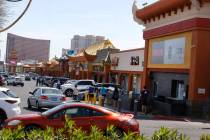
Clark County launched a website to gather community feedback on its plans to redevelop the Spring Mountain Corridor in central Las Vegas.
A controversial proposal for a Church of Latter-day Saints temple near Lone Mountain still has a ways to go in its quest for approval, city officials said.

Noted as the first tribal enterprise to manage a commercial casino in Nevada, the Mohegan group will turn over management to Virgin Hotels Las Vegas.

Food and drink specials, prix fixe menus, bottomless boozing and more to celebrate the mother(s) in your life.

Influencers are everywhere in 2024. No matter what industry you find yourself in or which ad you see on TV, you will always encounter someone promoting something about it or in it. Influencers are huge on social media, especially Instagram. But what exactly is an influencer? Is an influencer just another person fake promoting a […]





The popular vegan taco shop, with four locations in its native Las Vegas and one in San Diego, has launched a line of plant-based taco fillings called Tacotarian at Home.

The restaurant took over space on either side to increase its size by almost 60 percent, bringing a bigger bar and kitchen, among other improvements.

“I can play anywhere,” Santana said during a phone chat. “I can play a parking lot in Africa.”

The hotel-casino on the north Las Vegas Strip says the new promotion is meant to make the property more accessible.