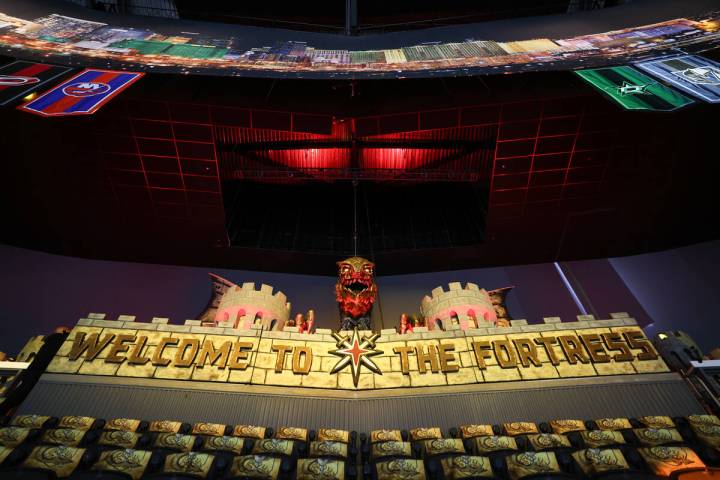
The Golden Knights’ dragon has no name, but it has already made an impact. The 15-foot-tall, 34-foot-wide dragon has replaced Elvis the Helmet at the VGK castle.




The Golden Knights’ dragon has no name, but it has already made an impact. The 15-foot-tall, 34-foot-wide dragon has replaced Elvis the Helmet at the VGK castle.
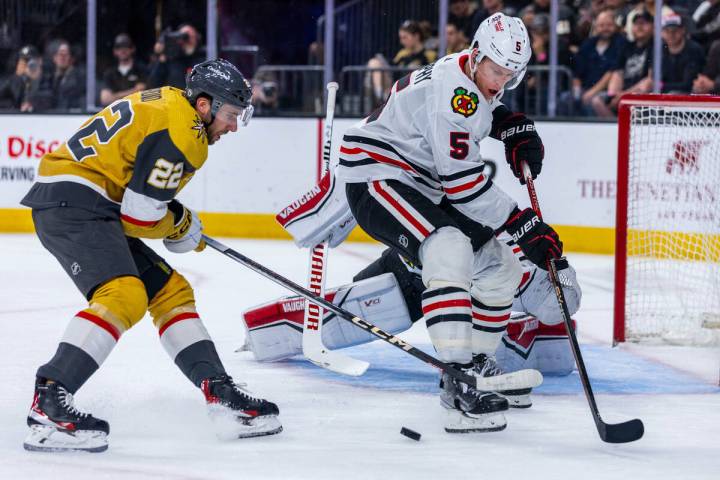
The Golden Knights will look to bounce back from an overtime loss to the Dallas Stars on Saturday and take a 3-1 lead in the Stanley Cup playoff series.
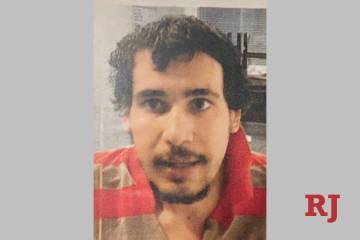
A murder suspect arrested Sunday morning near the Arts District ate parts of his alleged victim, a source told the Las Vegas Review-Journal.

A group of local developers are looking to build a 2,500-room resort with 20,000-seat arena on the former Wet ‘n Wild site once targeted for Jackie Robinson’s All Net Arena.
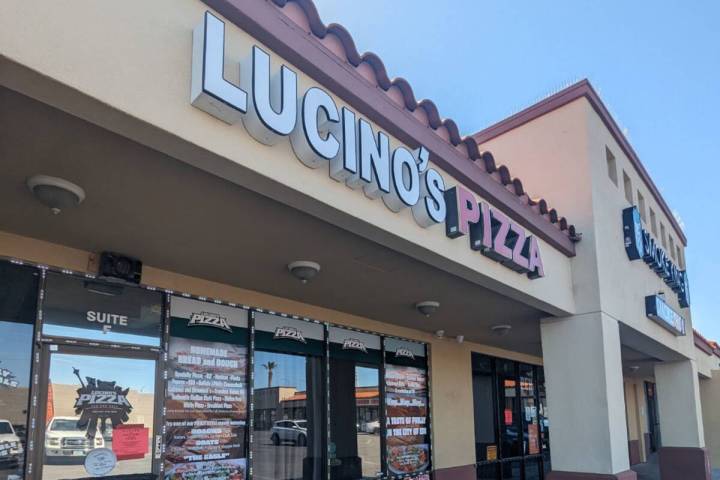
The pizzeria, named among the top 100 in the U.S. by Yelp, cannot reopen until the landlord makes the necessary electrical repairs, the owner says.

Nevada roads are deadlier this year, with nearly 40 percent more fatal crashes through March than during the same period in 2023. And the situation is worse on Clark County roads.
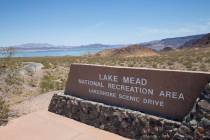
An Arizona resident was found guilty on Thursday in connection with a fatal personal watercraft crash nearly two years ago at Lake Mead National Recreation Area.

The Raiders added some depth to their receiving corps Monday by agreeing to terms with a former Dallas Cowboy in free agency.
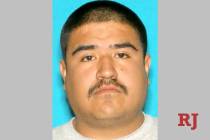
Oliver Zamora, 34, walked away from a job site in the 500 block of Adams Boulevard in Boulder City about 10 a.m. Monday.

A Las Vegas Strip hotel-casino is partnering with the Las Vegas Grand Prix to bring a nightclub experience to Formula One weekend.

It was one of three six-figure jackpots to hit recently in the Las Vegas Valley.

A Las Vegas man indicted in a scheme to steal $7 million in U.S. Treasury checks in Utah was arrested over the weekend in Lyon County, Nevada, a federal prosecutor said Monday.

Three other local brunch places made the top 100 list released by Yelp just in time for Mother’s Day.

Lennix Dockery was taken into custody early Saturday by the Kootenai County Sheriff’s Department in Rathdrum, Idaho. He is one of three suspects arrested in connection with an April 9 fatal shooting.
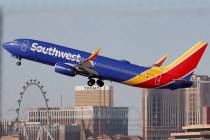
Southwest Airlines is studying changes to its quirky boarding and seating policies as it searches for ways to raise more revenue.

The on-demand beauty service that’s gained a cult following from NYC to LA has recently expanded into Las Vegas. From socialites, celebs and gala-goers to high-profile execs and busy moms, Glamsquad is the go-to beauty service for moments big and small. Glamsquad’s team of talented and trusted beauty professionals come to you anytime, anywhere. That […]





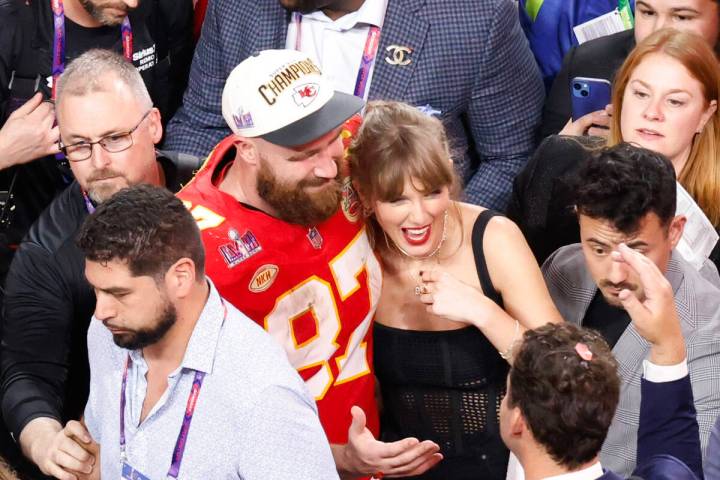
Taylor Swift, Travis Kelce, and Patrick and Brittany Mahomes were in town for the 15 and the Mahomies Foundation Vegas Golf Classic.
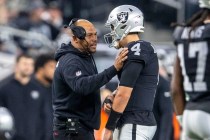
The Raiders didn’t select a quarterback in the first three rounds of the NFL draft, making it all but certain that this year’s starter is already on the roster.

Vegas musician Nina Di Gregorio spent years learning Eddie Van Halen’s epic guitar solo on a customized violin.

Tabatha Tozzi died on April 24, 2023. Police say Tozzi’s then-boyfriend, Oswaldo Natanahel Perez-Sanchez, shot her in the head. He hasn’t yet been caught.