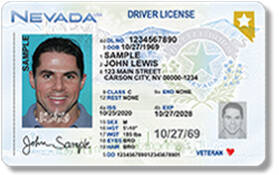
To meet federal requirements, Real IDs will be needed for anyone looking to use their driver’s license to get through security at airports for domestic flights nationwide.




To meet federal requirements, Real IDs will be needed for anyone looking to use their driver’s license to get through security at airports for domestic flights nationwide.
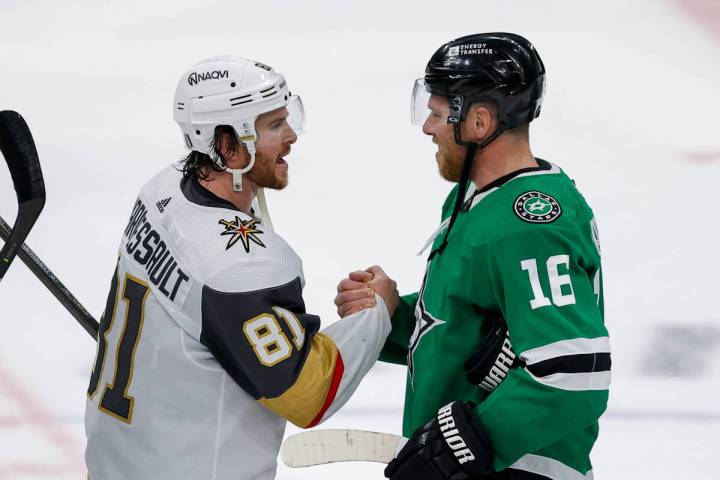
An unrestricted free agent, Jonathan Marchessault’s status becomes a top storyline after the Golden Knights were eliminated in Game 7 against the Dallas Stars.
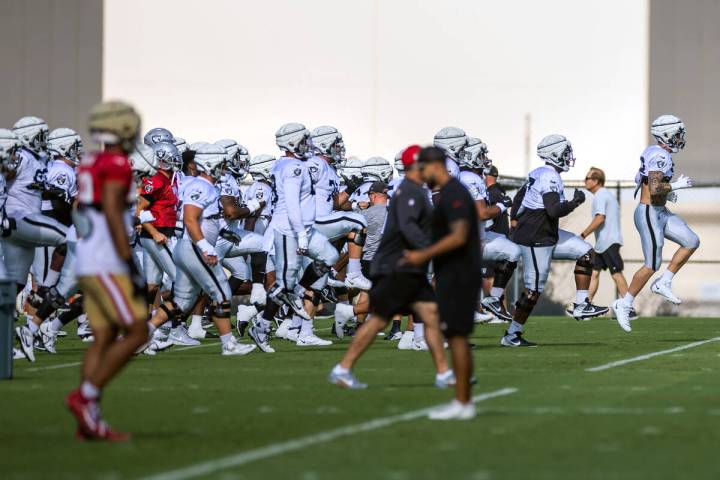
The Raiders have used their practice facility in Henderson as their training camp site since moving to Las Vegas in 2020, but that could change this summer.
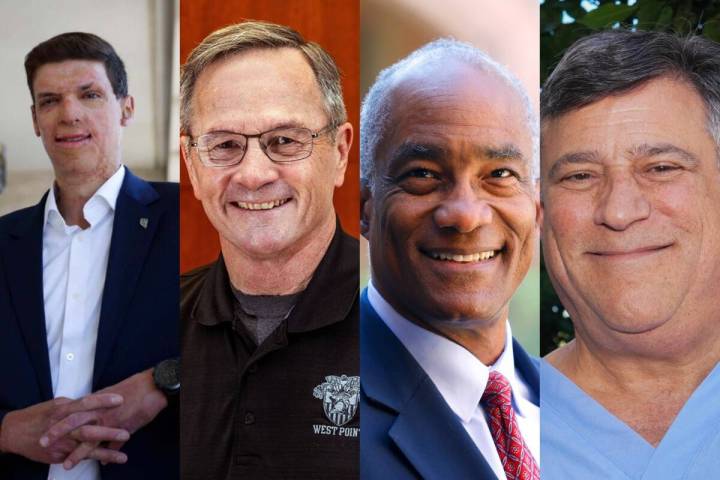
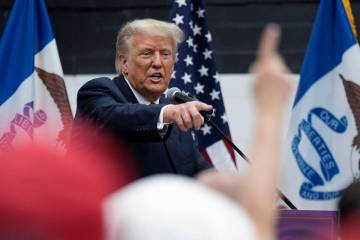
The crowded Nevada Republican Senate field includes candidates who continue to promote unfounded claims of mass election fraud in the 2020 election.
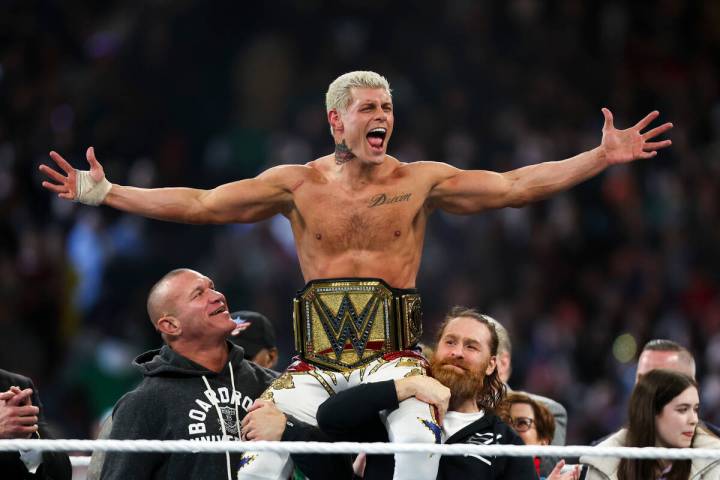
Put on your mask and pull up your spandex briefs: Wrestlemania is coming to Las Vegas for the first time since 1993.
A new documentary shines a light on George Lee, who was hand-picked by George Balanchine for the choreographer’s first staging of “The Nutcracker” with the New York City Ballet.

The defending champion Golden Knights were eliminated from the Stanley Cup playoffs after a Game 7 loss to the Dallas Stars on Sunday.

Food and drink specials, prix fixe menus, bottomless boozing and more to celebrate the mother(s) in your life.

Promoter Live Nation has announced the return of its annual “Concert Week,” which gives fans access to $25 tickets for music and comedy shows across the Las Vegas Strip.
A man died early Sunday morning after being struck by a car at Charleston and Decatur boulevards.
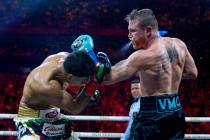
Boxing superstar Canelo Alvarez scored another impressive victory Saturday, but the celebration turned when he wouldn’t commit to fighting David Benavidez next.
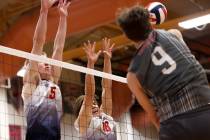
Most Class 5A boys volleyball teams played one another in the regular season, and the close matches showed the state title races are wide open. Here’s a preview.
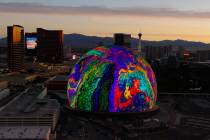
The Animazing Gallery is hosting an art and photography exhibit later this month that looks back at the work of Grateful Dead artists, coinciding with the band’s residency at the Sphere.
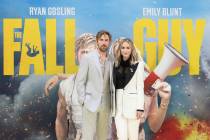
“The Fall Guy,” the Ryan Gosling-led, action-comedy ode to stunt performers, opened below expectations with $28.5 million, according to studio estimates Sunday.
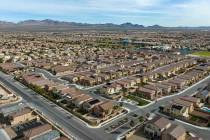
Two cities in the valley rank 10th and 11th in the nation for fastest-growing house prices, according to a new study.
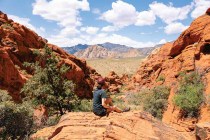
Technology is wonderful, but it’s good to step away from the devices and into the great outdoors every so often. With thousands of hiking trails, the country’s darkest skies and unforgettable road trips, the Silver State offers numerous ways to get a little out there (while getting off your device). Hiking You’re never too far […]
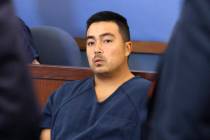
Colin Czech appeared in court days after he told police he ate parts of his alleged murder victim in Las Vegas.

The trains, designed to go up to 220 mph, will be able to take Brightline West passengers between Las Vegas and Southern California in less than two hours.
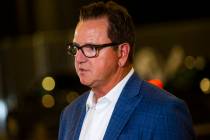
Scott Sibella, former president of MGM Grand and Resorts World, faces sentencing in California and is the subject of a Nevada Gaming Control Board complaint.