Halloween safety, injury prevention tips for trick-or-treaters
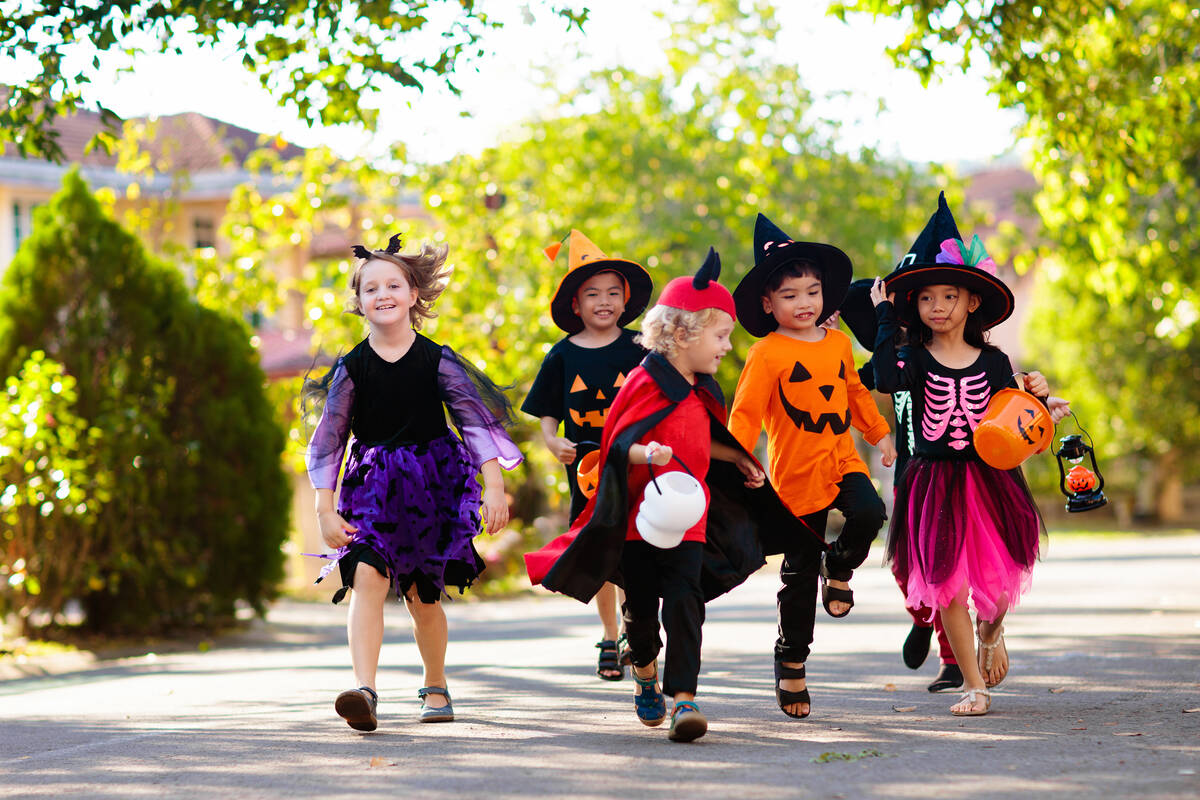
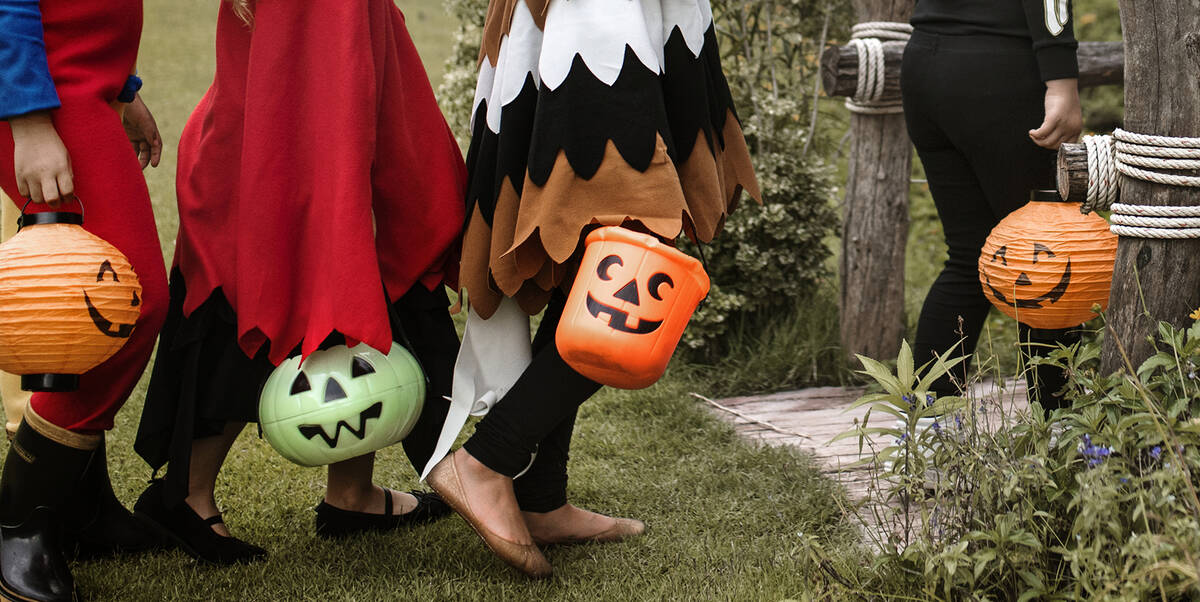





With Halloween around the corner, it’s a good time to consider ways to improve the safety of trick-or-treaters planning to roam neighborhoods and communities. The holiday brings delight to many but also heightens the risk of pedestrian injuries, as costumed characters dart from house to house or are distracted by scary sights and sounds, especially after nightfall.
Those who are handing out treats at home can also help improve safety by keeping pathways to the door well lit and free of any obstacles like bicycles or garden hoses that might block the path of visiting goblins, witches and ghosts. Drivers should be extra careful on the roads that day, especially between 5:30 and 9:30 p.m., when trick-or-treaters are most likely to be out.
It’s always best for an adult to accompany young children when they trick or treat. Often your town or park district will offer Halloween activities earlier in the day so you can avoid going out after dark. Older children should travel in groups and create a “buddy system” to get each other home safely and prevent walking alone.
Here are some more suggestions:
■ For older children going out with friends, agree on a specific time when they should return home and get flashlights with batteries for everyone. Carry a cellphone for quick communication.
■ Only go to homes with a porch light on and, ideally, a well-lit pathway.
■ Make sure that shoes fit and costumes are short enough so kids don’t trip on them. Hats and/or masks should fit properly to prevent them from sliding over eyes and blocking vision.
■ Remember reflective tape for costumes and trick-or-treat bags.
■ Remain on well-lit streets and always use the sidewalk and crosswalks. If no sidewalk is available, walk at the far edge of the roadway facing traffic.
■ Never cut across yards or use alleys.
■ Only cross the street as a group in established crosswalks. Never cross between parked cars or out of driveways.
■ Don’t assume the right of way. Motorists may have trouble seeing trick-or-treaters. Just because one car stops doesn’t mean others will.
■ Caution kids about the risk of distracted walking, including text messaging, talking on or looking at their phone and listening to music.
Research has shown that the hours of 6 to 9 p.m. are the riskiest times of day for child pedestrians at any time of year. About 64 percent of child pedestrian deaths occur in daylight hours or at dusk, and most (62 percent) child pedestrian traffic fatalities occurred midblock, rather than at intersections.
While parents often worry about tainted candy on Halloween, cars and traffic are really the bigger concern. Let’s keep the scares to a minimum and enjoy this Halloween.
Dr. Sadiqa A.I. Kendi is the division chief of the pediatric emergency medicine division at Boston Medical Center and an expert in pediatric injury prevention.
Beware of scary injuries
There are plenty of frights to go around on Halloween, but a hand injury probably isn't one you'd expect.
"Interestingly, it's the fourth-busiest holiday for hand injuries," says Dr. Sanj Kakar, a Mayo Clinic orthopedic hand and wrist surgeon.
Kakar says almost one-third of those Halloween hand injuries are among kids 10 to 14. And most of them happen when people are carving pumpkins.
"It's primarily stabbing injuries where the knife may slip, and so they can cut things like tendons," Dr. Kakar says. "But they can also break bones, and also they can burn themselves, as well, with candles."
But Kakar says most of the injuries are avoidable.
"A lot of people might just go to the kitchen and grab a sharp knife. But there's good studies out there showing that actual pumpkin-specific carving knives [are safer]," he says. "So I would use a pumpkin carving kit, No. 1."
No. 2, Kakar says, is to let kids handle designing the jack-o'-lantern but make sure adults do all of the carving.
And No. 3, make sure you're always supporting the pumpkin with your noncutting hand.
Mayo Clinic News Network