Las Vegas casino heavyweights implore Congress to restore gambling loss tax deduction




A handful of Las Vegas casino executives and the industry’s top Washington D.C.-based lobbyist recently met with a high-ranking congressional representative in a last-ditch effort to undo a provision in the president’s signature legislation that will hurt gamblers when it goes into effect next year.
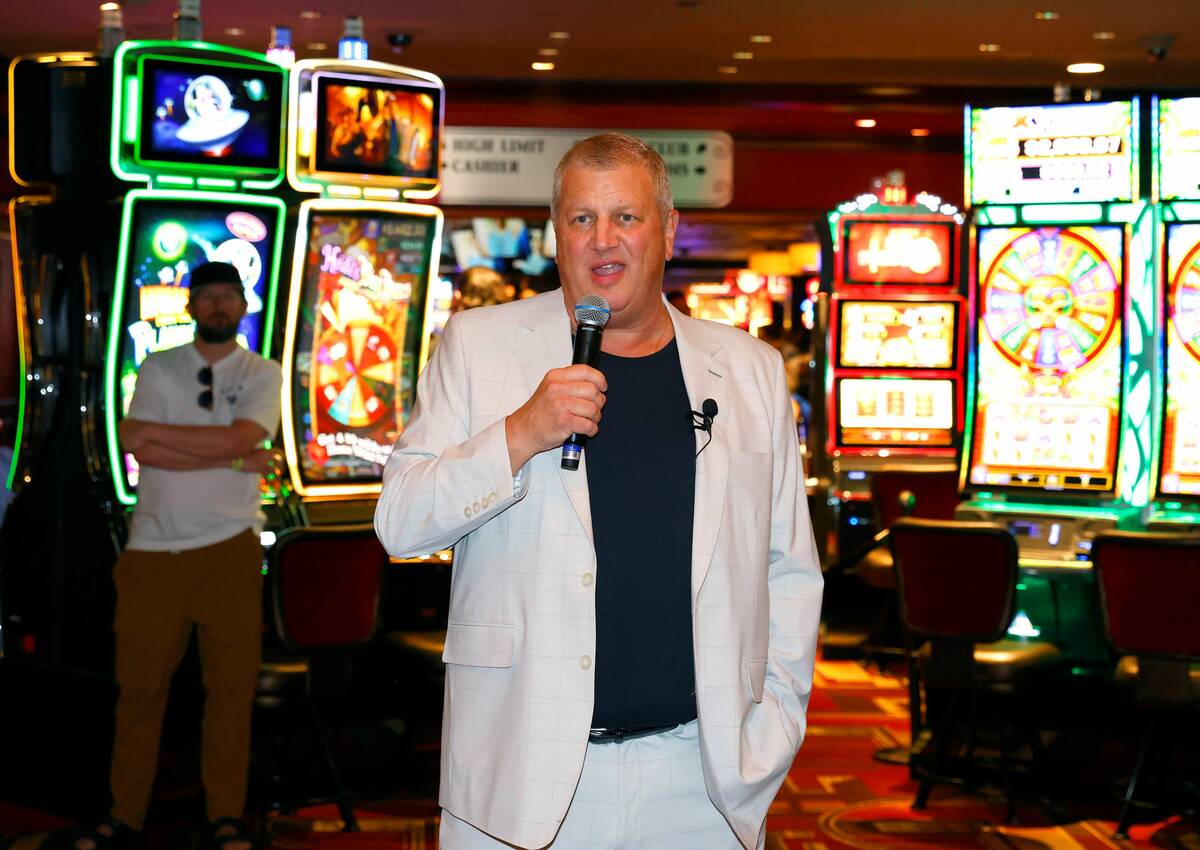
Derek Stevens of Circa, Golden Gate and The D; Bill Hornbuckle of MGM Resorts; Tom Reeg of Caesars Entertainment; Craig Billings of Wynn Resorts; and Bill Miller, president of the American Gaming Association, met Monday with U.S. Rep. Jason Smith, R–Missouri, chair of the House Ways and Means Committee, to press for the restoration of the 100 percent deduction for gambling losses, which was reduced to 90 percent under the One Big Beautiful Bill Act. The change officially goes into effect Jan. 1 and will be applicable to 2026 tax filings.
Gambling industry officials and tax professionals argue that the change unfairly targets professional gamblers and high-stakes players, who will now be required to pay taxes on unrealized earnings. Poker players, high-limit slot players and sports gamblers will be the most adversely affected, according to industry experts.
Stevens, who co-owns and operates three downtown Las Vegas casinos, said the bill’s impacts are already being felt.
“It’s scary to think that we’re already being impacted by groups not booking because they’re afraid of dealing with this issue,” he said Thursday, noting that several big-money sports bettors are shying away from futures wagers on 2026 events such as the Super Bowl and March Madness as a result. “This is clearly going to impact tourism here and throughout the country, and that’s why I’m trying to make a push.”
Chris Cylke, senior vice president of government relations for the AGA, said in a statement Thursday the trade organization “remains committed to working with Congress and the (presidential) administration to restore 100 percent deductibility, a longstanding policy ensuring fair and consistent tax treatment.”
A spokesperson for MGM Resorts International said, “We strongly support a solution to this issue. It’s a matter of fairness that not only impacts our employees and guests, but the entire state of Nevada.” The Las Vegas-based corporation operates nine Strip casinos and is the largest employer in the state.
U.S. Rep. Dina Titus, D-Nev., introduced the FAIR BET Act in response to the OBBBA’s gambling loss deduction changes. Titus’ bill, which has broad bipartisan support and 21 co-sponsors, would restore the 100 percent deduction.
“While the change may appear minor, it will have significant and harmful consequences,” Titus wrote in a letter to Smith, urging the Missouri congressman to consider the FAIR BET Act during the next Ways and Means Committee meeting before Congress goes on holiday break. “It unfairly burdens professional gamblers and casual players alike and will inevitably drive players toward offshore and unregulated markets where consumer protections are non-existent, thereby undermining responsible gaming efforts nationwide.”
The change in the gambling loss deduction allowance wound up in the OBBBA as part of the reconciliation process in the U.S. Senate during budget negotiations in July. To date, no elected representative in the country has claimed responsibility for the change or defended its inclusion in the OBBBA.
U.S. Sens. Catherine Cortez Masto and Jackie Rosen have also tried to restore the tax deduction legislatively. The pair of Nevada Democrats and U.S. Sen. Ted Cruz, R-Texas, co-sponsored the FULL HOUSE Act in the upper chamber, to no avail.
Stevens said it was his understanding that the change was “inadvertent,” but it is a problem that needs immediate correction.
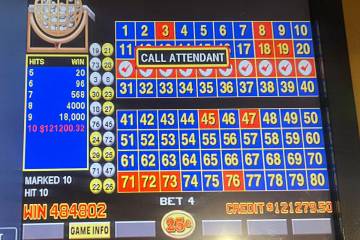
“No one wants this. No American wants this at all,” he said. “This will impact every casual and leisure slot player who hits a jackpot. This is just bad all around, and it’s not good for anybody.”
President Donald Trump signed the OBBBA into law this summer. The bill, which will increase the federal deficit by more than $3.4 trillion over the next decade, reduces federal tax obligations for tipped workers and overtime pay, in addition to ensuring tax cuts for most Americans.
A national news reporter recently asked Trump, who once owned three Atlantic City casinos, about eliminating federal taxes on gambling winnings, a suggestion which appeared to amuse the president.
“No tax on gambling? I don’t know about that,” Trump said Tuesday aboard Air Force One. “I’m going to have to think about that.”
Contact David Danzis at ddanzis@reviewjournal.com or 702-383-0378. Follow @AC2Vegas_Danzis on X.