



Las Vegas keeping pace with growing convention industry
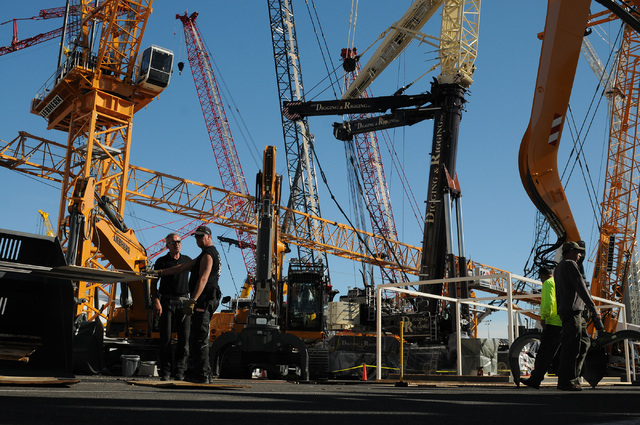
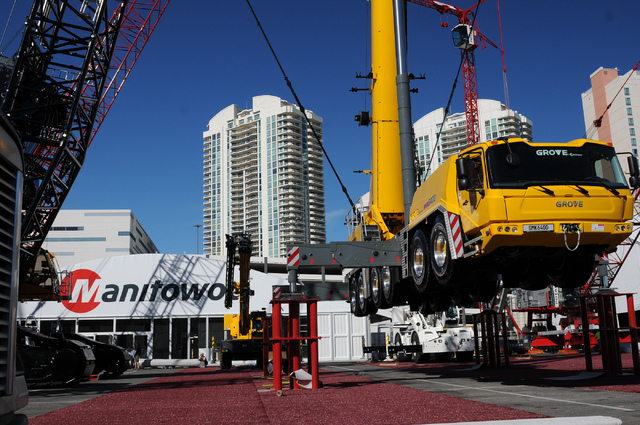

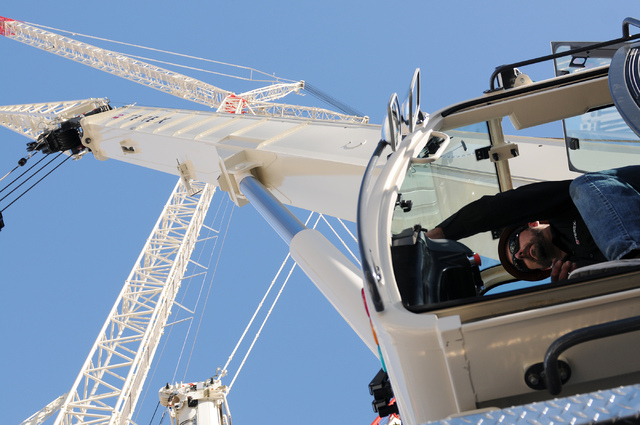
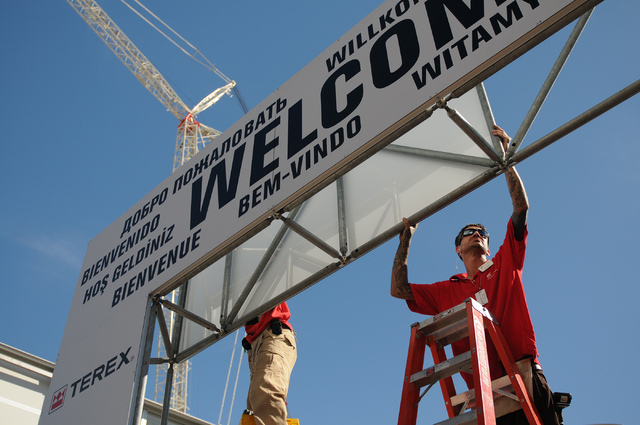

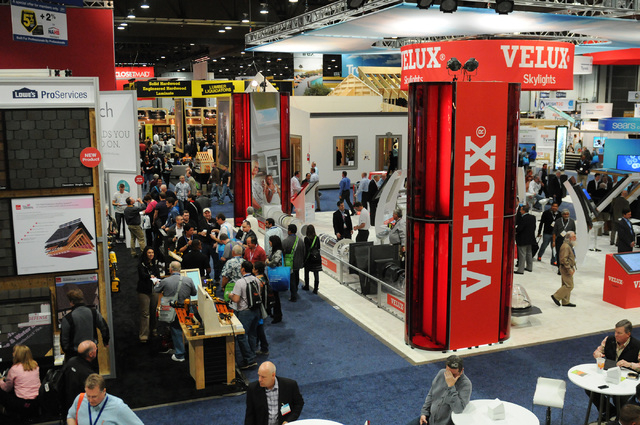
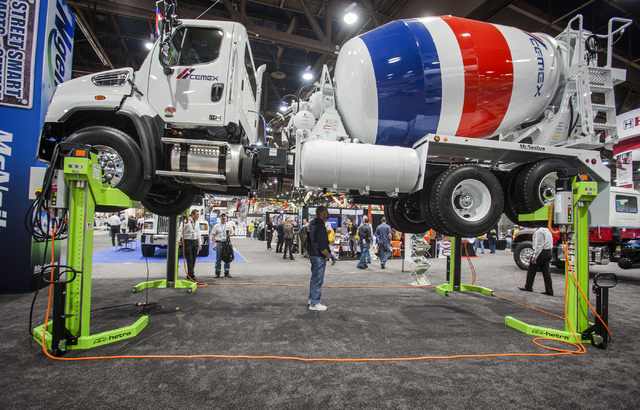

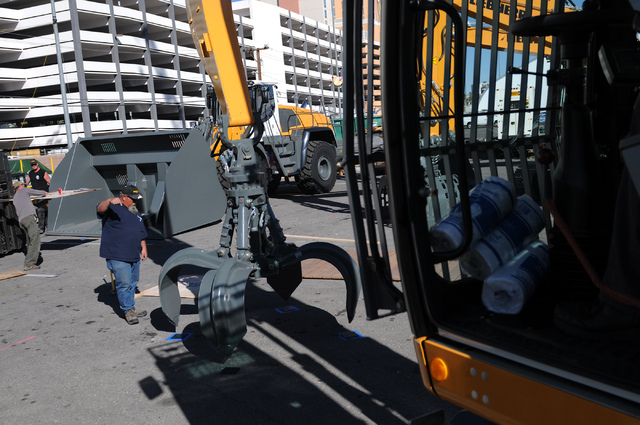


On any given Wednesday, you can throw a rock and hit a meeting in Las Vegas. For a city known for its raucous gambling, drinking and partying, Las Vegas probably offers just as much in the way of meeting spaces, convention centers and business event venues.
If the industry’s most recent trends hold steady, there could be good things to come for the city.
Nationwide, meetings and event venues are expected to experience a steady uptick in business conditions this year. In its Meetings Outlook for 2014, Meeting Professionals International reported that U.S. meeting planners are expecting a 5 percent improvement in overall business conditions in 2014, as well as a 3.9 percent increase in attendance and a 2.4 percent increase in budgets.
Nationally, the convention industry already has seen increases.
A new study from the Convention Industry Council, “The Economic Significance of Meetings to the U.S. Economy,” found the industry experienced significant growth over a three-year period. Conducted by PricewaterhouseCoopers, the report compares 2012 data to data from 2009.
The study found that meeting participation increased by 10 percent during the period, and meetings’ contribution to the gross domestic product increased by 9 percent, providing more than $115 billion.
“Even though we’re still coming out of the recession and things may not be back to where they were, this data show that people still value meetings,” said Karen Kotowski, CEO of the Convention Industry Council.
For purposes of the study, meetings only counted if they included a minimum of 10 people convening for four hours. Kotowski said this is the same methodology used internationally.
The Convention Industry Council is a part of the Meetings Mean Business campaign by the U.S. Travel Association. The Las Vegas Convention and Visitors Authority is a member of the coalition.
Kotowski said the study results showed that the meetings industry was a strong contributor to the U.S. economy.
“Often meetings get overlooked as an industry,” she said.
There are certain destinations that get more than their share of meetings, Kotowski said, because they are centrally located, have more airlift and are full of amenities.
In Las Vegas, the industry is predictably large, with many, many venues available, ranging in size from Meet Las Vegas’ 2,775-square-foot outdoor pavilion to the Las Vegas Convention Center’s 908,496-square-foot South Hall. Las Vegas has more than 10.7 million square feet of available meeting and exhibit space, which includes four convention centers. Almost every hotel has meeting facilities, as do most restaurants. Venues such as the World Market Center and the National Atomic Testing Museum also offer venues.
A 2013 study by Exhibit Surveys found that attendance increases 13 percent when a trade show rotates into Las Vegas, a statistic that’s frequently echoed by show producers. Attendees spend more time on the show floor on average when in Las Vegas, walking around for 11 hours compared with six or nine in other cities.
According to the Convention Industry Council’s report, the national industry’s contribution to federal, state and local tax dollars increased by 9.6 percent from 2009 to 2012, providing more than $28 billion in tax receipts.
“One of the most surprising findings was the increase in jobs during a time when the rest of the economy was not adding jobs. The rest of the U.S. was about half of that,” Kotowski said.
Nationwide, the industry stimulated job growth with an 8.3 percent increase, providing work for more than 1.7 million Americans.
In early February, the U.S. Labor Department released January’s employment figures, and the travel sector added 7,000 jobs during the month, bringing total employment 11 percent higher than the pre-recession employment levels of February 2008. Travel in general supports 14.6 million American jobs.
During the 2012 calendar year, 1.83 million meetings were held in the U.S. and attended by 225 million participants. According to the count by the Las Vegas Convention and Visitors Authority, 4.94 million people attended 21,615 conventions and meetings in Las Vegas during 2012.
In 2013, those numbers increased to 5.1 million people attending 22,027 conventions and meetings in Las Vegas. Sixteen percent of the city’s visitors attend conventions and meetings.
The majority of all meeting participants in 2012 traveled 50 miles or more, consuming hotel rooms, restaurant meals and transportation services.
In addition to travel, the value of meetings for businesspeople often can be tied to other factors, including intangibles such as the informal conversations that take place in hallways.
“I think those are extremely important. Whenever I go to meetings or trade shows I come back with a stack of cards of people I’ve never met before,” Kotowski said. “It’s really valuable to make those connections.”
Often those connections are the ones that will matter most down the line, providing a new service for your business or a new contact that could change course for the better.
“I probably learn just as much from those informal opportunities,” Kotowski said.
Primary funding for the Convention Industry Council study was contributed by organizations such as the American Hotel & Lodging Association, Destination Marketing Association International/Destination & Travel Foundation, Meeting Professionals International Foundation, Professional Convention Management Association/Education Foundation and the U.S. Travel Association.
Contact reporter Laura Carroll at lcarroll@reviewjournal.com or 702-380-4588. Follow @lscvegas on Twitter.


