Presidential election presents many challenges for parents
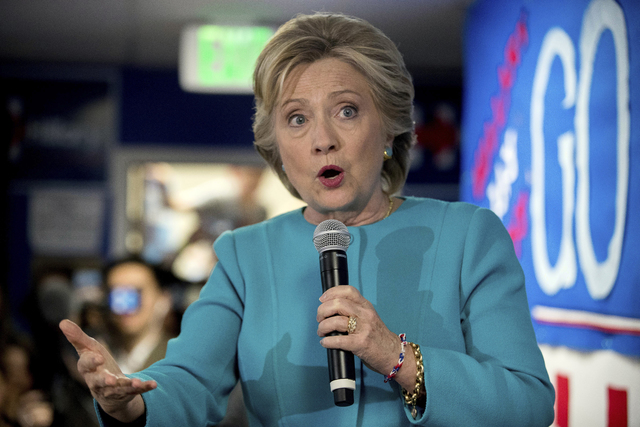
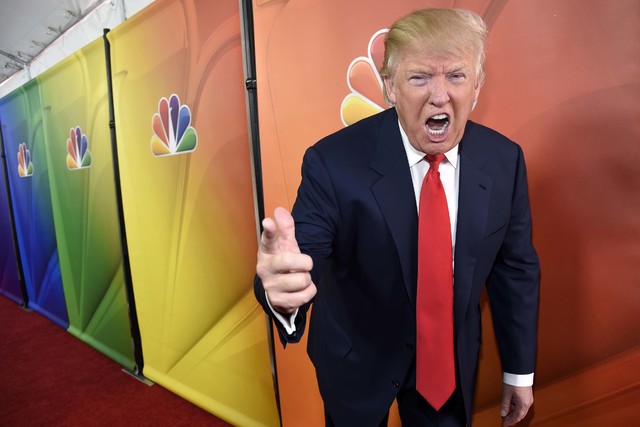

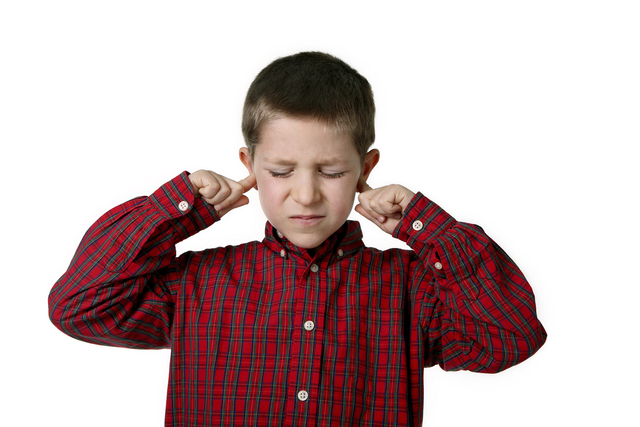





Most parents probably would like for their children to become interested in current events and how government works, and might even hope that they’ll someday come to appreciate the majesty of the American political system and the United States’ long electoral tradition.
Good luck with that during this election season, when curious kids who feel moved to follow the U.S. presidential campaign are learning about name-calling and incivility, as well as crude, sexually charged words that they otherwise might not hear until junior high.
But experts say this far from civics-textbook-style 2016 presidential campaign offers parents the chance to teach children a few valuable life lessons.
“I think parents really want their children to be informed,” says Amy Andrews, advanced placement economics and government and government honors teacher at Clark High School. “They want their kids to be able to look at things objectively.”
Andrews says she hasn’t avoided any topic that has come up this campaign season, no matter how dicey. “I have registered voters sitting in my classroom, so they’re going to have a very important decision to make Nov. 8.”
She encourages students to try to avoid peripheral distractions of the campaign and, instead, “focus on the issues and where candidates stand on issues.”
However, putting the campaign into context is trickier for younger children.
“I think younger children are going to ask questions,” Andews says, “and I think the most important thing is to give them some form of an answer.”
Michelle Paul’s kids are now 17 and 21. But Paul, director of The PRACTICE, UNLV’s community health clinic, says that, if they were younger, she’d explain the nastiness of the campaign by noting that “when two people are trying to win something … their motivation to win is so big sometimes that they use very extreme language” and even attack one another.
The parent also can explain that this isn’t the way campaigns usually work, and even admit to the child that “plenty of grown-ups out there are asking themselves, ‘Is this the way we want our political leaders to engage when they are trying to win an election?’ ”
It’s also important to explain to children that “there are better ways of handling disagreements,” Paul says. “Say, ‘At home, in our family, in our kitchen and living room, our goal is not to be the winner and not to have winners and losers. Our goal is to get closer as a family through problem solving and to understand where each other sits.’ ”
Explaining a rancorous campaign to a child is one thing. How about the sexual allegations and crude sexual talk that have become central in this presidential campaign?
Paul says young children probably don’t need a detailed explanation. In fact, a parent might choose to not have the news or political talk shows on the family TV until younger children have gone to bed.
But if a child broaches an iffy subject, the parent might cast the incidents and crude words into a discussion about respecting other people. In fact, Paul says, it could offer “a wonderful opportunity for this conversation about how do we talk about each other.”
“I would ask them, ‘What do you think when you hear those words coming out of adults’ mouths?’ ” Paul says. Explain that “we don’t talk about people by their body parts,” and that adults sometimes say crude things when “they’re showing off or not thinking or think they’re being funny, and they cross a line.”
“My bias is to be as honest as possible in an age-appropriate way,” Paul says. So, a parent might explain that the now-infamous word heard in the Donald Trump tape is “used to describe a girl’s private parts.”
Then, the parent could say that “it really was a mistake for Mr. Trump to say the word, and I’m not really sure why he did it. Maybe he was not thinking. Sometimes adults make jokes that are not very funny when they’re trying to show off.”
Explain to the child that “Mr. Trump made a big mistake that day, and he said so, too. So we learn from our mistakes and we try to respect everybody when we talk about other people,” Paul says.
And, Andrews says, “you can talk about inappropriate physical contact, but you don’t have to go into all the details. But I still think the question should be answered, keeping in mind the age of the child.”
Parents also can use the campaign to teach children about the process by, for example, going over voter guides with children. A welcome antidote to the nastiness seen so far might even be to take the child with you to the polls on Election Day.
“I think that’s a wonderful example of, ‘This is who we are and this is what we do as we participate in government,’ ” Andrews says.
Read more from John Przybys at reviewjournal.com. Contact him at jprzybys@reviewjournal.com and follow @JJPrzybys on Twitter