Donald Trump is scheduled to speak at an outdoor rally Sunday at Sunset Park, and hundreds of people are already lined up to see the former president speak.




Donald Trump is scheduled to speak at an outdoor rally Sunday at Sunset Park, and hundreds of people are already lined up to see the former president speak.

An early Sunday fire damaged 15 boats at Lake Mead National Recreation Area.

Progress continues on the Oakland Athletics’ plan to build a $1.5 billion ballpark in Las Vegas. Senate Bill 1 became law a year ago, but steps remain before shovels hit the ground on the Strip.

A woman was being held hostage at knife-point by a man when two Metropolitan Police Department officers fired their weapons late Saturday night.

Two-year-old Jacoby Robinson Jr. was last seen about 7:45 p.m. Thursday near Lewis Avenue and South 15th Street.

Las Vegas investor and purported billionaire Jay Bloom is accused of taking money from investors to fund a cryptocurrency mining scheme in Arizona that he knew was not viable, according to a recent lawsuit.

Governor Joe Lombardo was on hand at the Southern Nevada Trades High School open house on Saturday

“Dangerously hot conditions,” are forecast by the National Weather Service for Tuesday morning through Wednesday evening.

Here is the 2024 Nevada Preps All-Southern Nevada boys golf team.
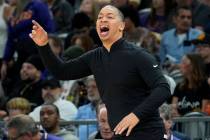
Los Angeles Clippers coach Tyronn Lue was at the World Series of Poker on Friday supporting a player in the $5,000 buy-in No-limit Hold’em 8-handed event.

The Killers celebrated the “Hot Fuss” 20th anniversary with a fiery club show. Imagine Dragons have added dates to their shows at Hollywood Bowl.
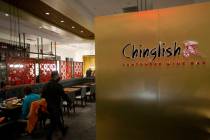
The restaurants are highly regarded for their take on modern Cantonese cooking, including kosher dishes.

Lithium abounds in Nevada’s federal lands and could hold the key to moving away from fossil fuels. But some worry about the environmental impact of lithium mining.

A’ja Wilson, Chelsea Gray, Kelsey Plum and Jackie Young are reportedly headed to the 2024 Olympics. The Aces are off to a 5-3 start without the injured Gray.

Among the offerings at the home of the Triple-A Aviators: burnt ends burritos, beignets and frosé.

Recently, spot Bitcoin exchange-traded funds (ETFs) have made headlines for obvious reasons. Around 11 Bitcoin ETF proposals were approved by the SEC on Jan. 10. However, many people still need clarification about whether they should buy Bitcoin directly or invest in Bitcoin ETF. The post below explores these options and can help to demystify the […]


A new immersive experience is set to open on the Las Vegas Strip later this month.

Erik Seidel suffered one of the worst beats of this year’s World Series of Poker, costing him a chance to go for his 11th career bracelet.

The Metropolitan Police Department’s November recruit class graduated from the police academy with the support of a large crowd including family members.

One tiny municipality outpaced every other city, and one jumped from fourth to third largest, according to new census data.