Should Las Vegas build up instead of out?
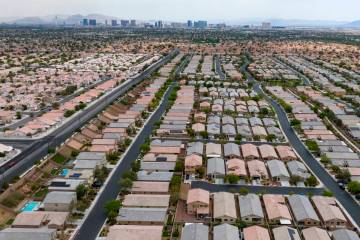

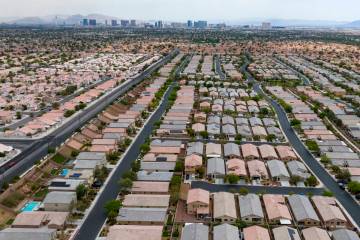


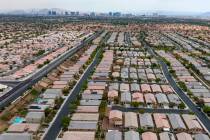
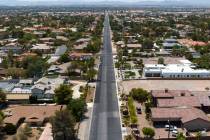
As the Las Vegas Valley runs out of land to develop on, a growing chorus of real estate developers and stakeholders say the region should consider building up more instead of out.
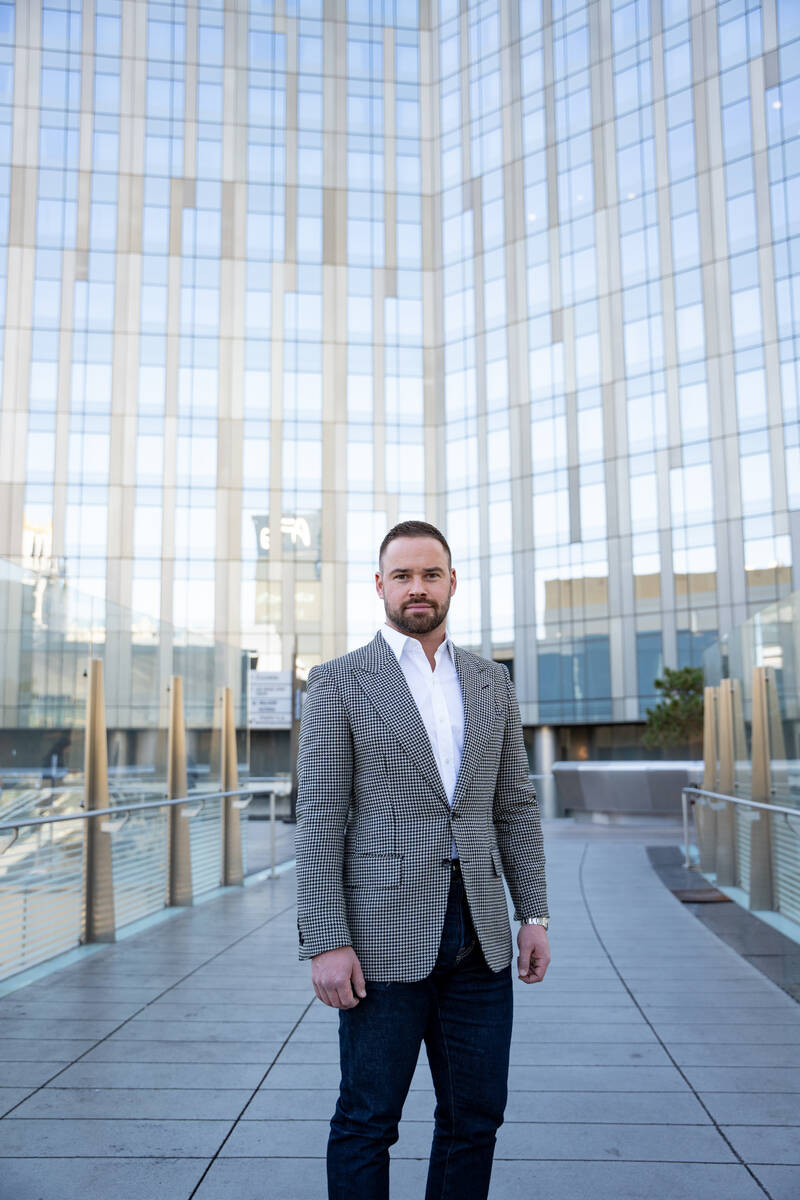
Building more high-rise residential units could help the city with its affordability issues as it continues to expand and grow its population base and economy, said Brian Nugent, a real estate broker with IS Luxury who focuses on high-rise condos in the valley.
“As there is less and less land available for single-family detached homes, I think high-rises become more and more appealing,” he said. “So I think there could be a need moving forward for more high-rises.”
The valley is fast running out of acreage to develop on because of a number of issues, the primary one being the federal government controls virtually all the land left for development, and has been slow to release it to the private sector. Nugent said both the public and private sector have to get creative and look at alternative solutions to help the city as it continues to add residents on a daily basis.
The valley could run out of land for development as early as 2032, according to a recent study by Las Vegas-based economic consulting firm Applied Analysis, and Nugent said this should be a bit of a wake-up call for everyone.
“Up until recently there has been land available in the valley and because Vegas has grown so much recently as a city and its population, it really just seems like in the last few years the conversation about running out of land has really picked up,” he said. “Where in the past it was easy for developers to buy plots of land and do detached single-family home developments, because the land was readily available and I think as more and more of that land gets developed and less is available then the next logical question would be is it time to start going vertical?”
Challenges and opportunities
Challenges remain and experts admitted building up brings its own set of hurdles, including the cultural aspect of living in a condo, transportation, increased density and building code restrictions over three stories in the county that add increased costs to a project.
Nugent said he envisions pockets of high-rise developments all over the valley, in places such as Summerlin, the southwest valley and Henderson.
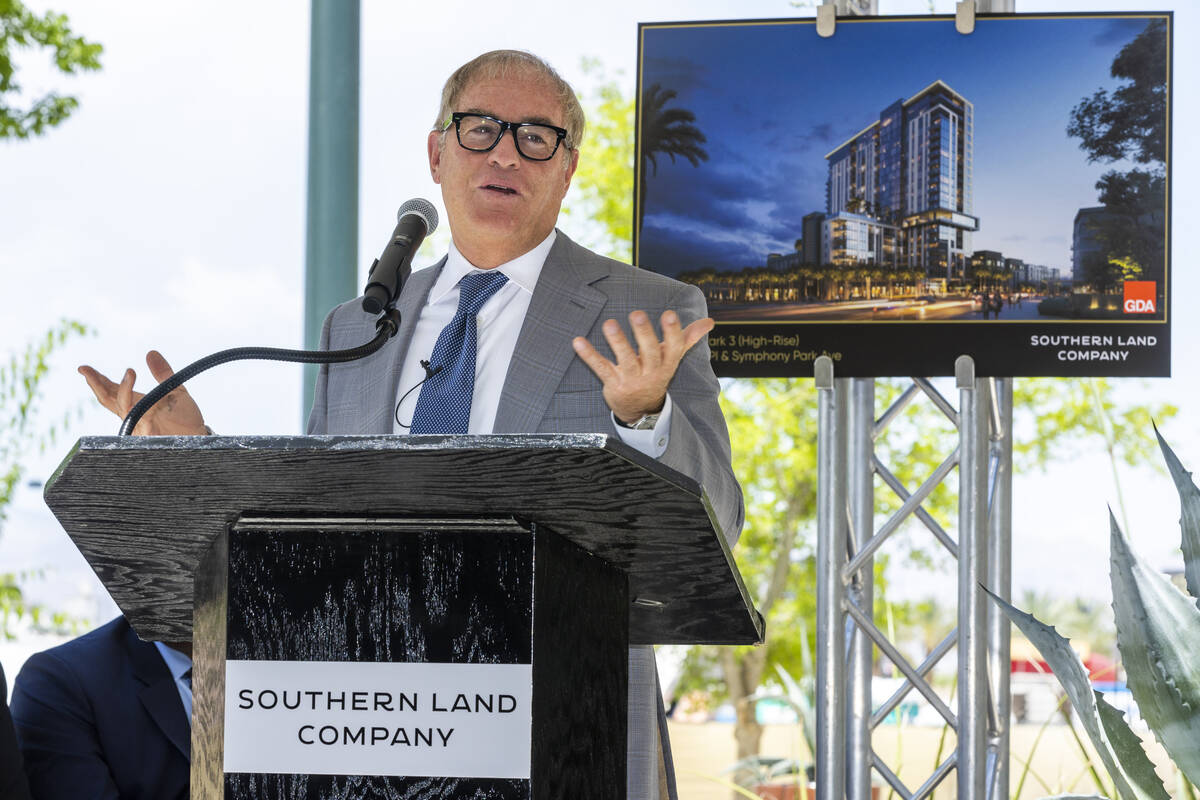
The Southern Land Company is one of the companies leading the charge of high-rise development within Symphony Park — a master-planned community with multiple high rises in the works where the Union Pacific railyard used to be — and has three multifamily projects slated to come onto the market in downtown Las Vegas next year.
Tim Downey, the company’s chief executive officer, said densifying in Las Vegas is a good strategy for the area and locals are warming up to the idea of living in apartments and condos more.
“There will always be people who seek the high-rise living experience, complete with great amenities and incredible views, and high-rises can aid in revitalization and transformation of neighborhoods,” he said. “However, a city’s particular circumstances and advantages should also be carefully considered when evaluating how to best address local housing challenges.”
Building out of the valley presents its own challenges, said Downey, who added the entire future of the region’s real estate market depends on access to acreage before anything else.
“Las Vegas is somewhat rare, being surrounded by such vast, open land, and this presents a unique opportunity for building new attainable housing, albeit an opportunity that is largely dependent on if, how, and when the federal government releases more of the large amount of land that remains under its control in Clark County.”
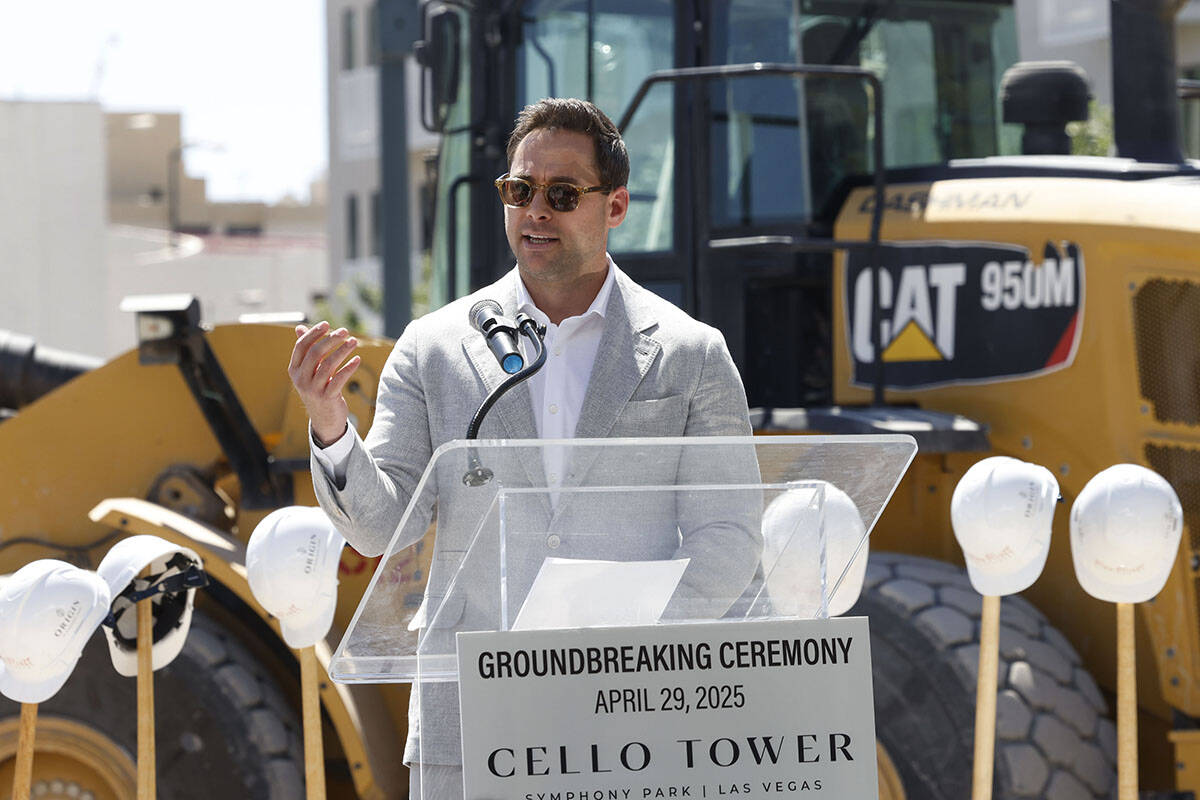
Patrick Brennan, the founder of Red Ridge Development, which is the company behind the planned 32-story condo tower and five-story apartment building and retail and office space project slated for downtown Las Vegas that recently held a ceremonial groundbreaking, said a sea change is taking place in terms of the city’s trajectory and focus.
“Las Vegas is entering a new phase of growth driven not by sprawl but by upward development,” he said. “Because much of the region’s land is protected by the Bureau of Land Management, expanding outward is limited, and creates the predictable side effects, longer commutes, more traffic and separation from employment and entertainment centers. The path to scale-able housing and true urban living in Las Vegas is vertical, not horizontal.”
Brennan said the ambitious goal by real estate developers is to turn the downtown core, Symphony Park and the Arts District into “a true metropolitan core designed for residents rather than tourism.”
Contact Patrick Blennerhassett at pblennerhassett@reviewjournal.com.