NFR: 40 years of growing in Vegas



Picture this: It’s early December 1984. You’re a hotel/casino operator in Las Vegas. Business is more lively at a morgue than on the Strip or on Fremont Street.
That was the reality.
“Forty years ago, from Thanksgiving to Christmas, Las Vegas was a ghost town. And I mean a ghost town,” renowned casino owner Michael Gaughan said. “Showrooms were closed, employees were on vacation. We’d be changing the carpets in the casino or remodeling bathrooms in the hotel rooms.
“It was four to five weeks of no business.”
But that same month, a historic vote took place among the PRCA Board of Directors, on whether to keep the Wrangler National Finals Rodeo in Oklahoma City or move it to Las Vegas. The result was a 5-5 tie, requiring then-PRCA President Shawn Davis to break the tie.
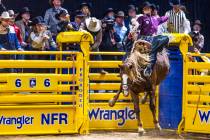
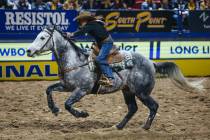
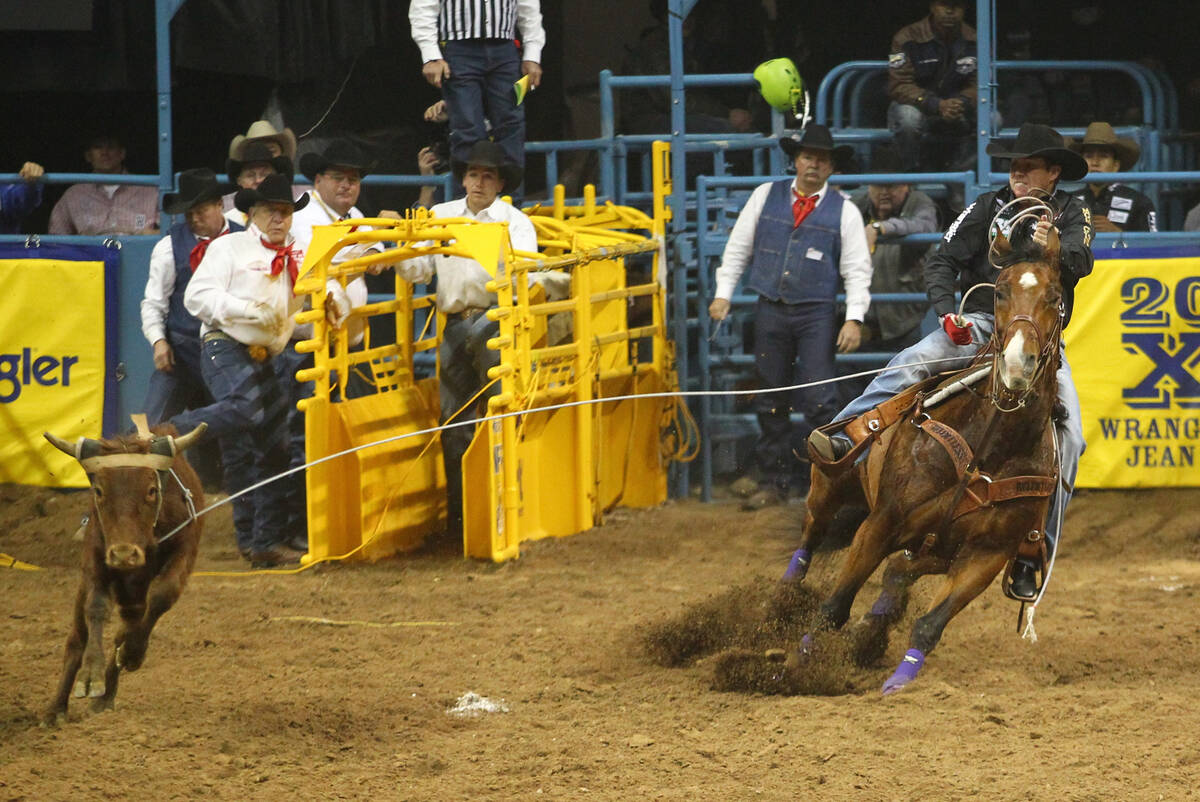
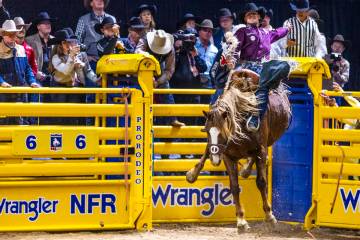
He voted in favor of Vegas. The Wrangler NFR moved to the Thomas Mack &Center, and by the third year, 1987, started a run of selling out all 10 performances. That run continues to this day, as the Wrangler NFR celebrates its 40th year in Las Vegas.
To say the NFR changed the way this city operates in December would be an understatement. Gaughan, owner of the South Point, puts the 10-day Super Bowl of Rodeo’s impact above any event this city has attracted since 1985.
“The single event that helped Las Vegas the most is the NFR,” he said. “You’ve got more shows and entertainment during the rodeo. It’s almost two weeks long, and the town is alive. Hotels that have nothing to do with the rodeo are busy.”
That said, most hotels now have something to do with the rodeo – Strip properties, downtown Fremont Street, around town and of course Gaughan’s South Point, which is Cowboy Central.
Pat Christenson saw it all unfold from his perch as president of Las Vegas Events, which co-manages the Wrangler NFR with the PRCA. Christenson was there when it all began, as the best rodeo cowboys and cowgirls in the world converged on Sin City in December 1985.
“I greeted them at the door,” Christenson said, while mapping out how the NFR has remade December. “I think there are three stages of its growth. The first 10-15 years, it was an event that just sold out the Thomas &Mack Center. There weren’t a lot of events outside of the arena.”
Stage 2 began in 2001.
“We started to get hotels included with the NFR and upped our marketing. And the show itself was starting to dramatically improve,” Christenson said, alluding to the in-arena experience. “You also saw growth from fans who didn’t have tickets, 40,000-50,000 a night – two to three times more fans without tickets than those with tickets.
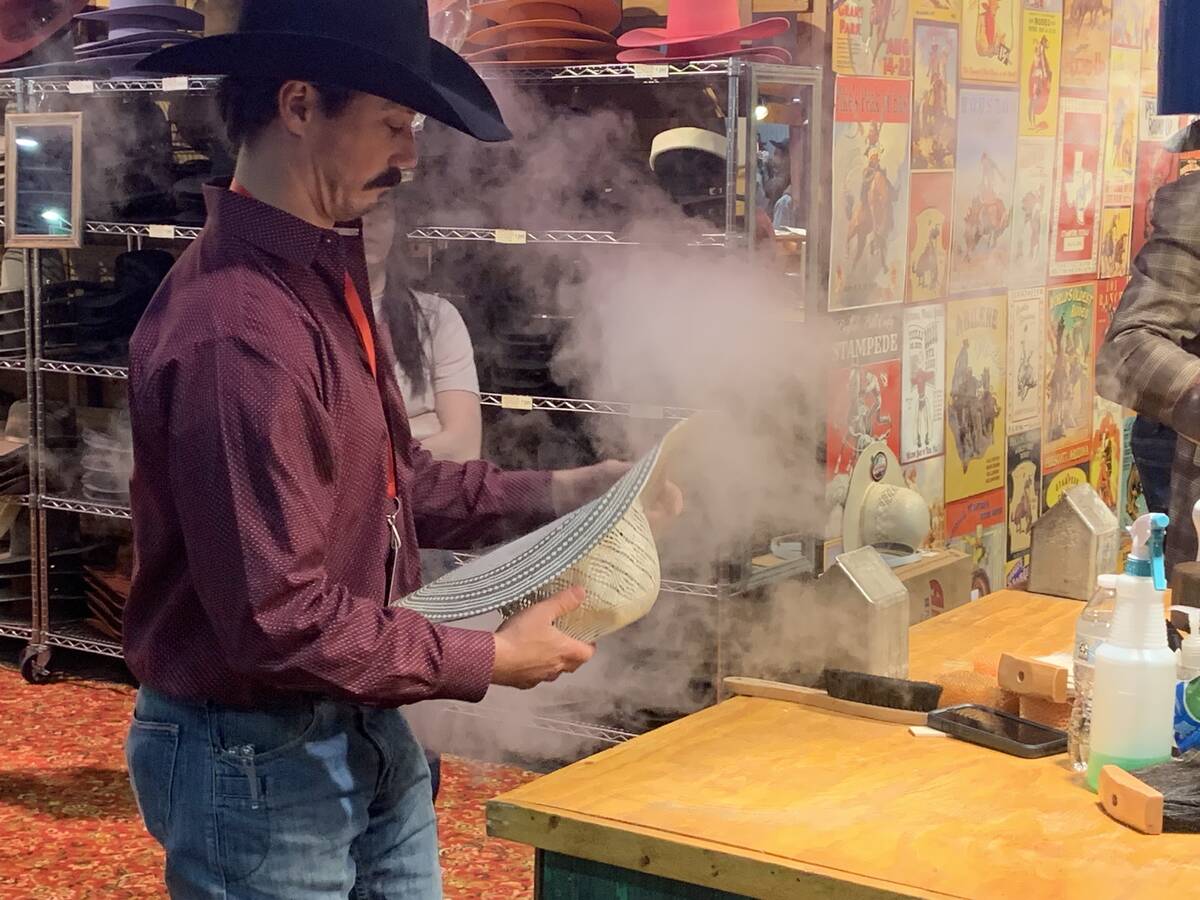
“And also Cowboy Christmas. It went more interactive and got more diverse in terms of items sold. Cowboy Christmas now has over 300,000 attendees annually.”
The third stage continues to this day: Ancillary events tied to the NFR, taking place all over Las Vegas.
“It was the integration of our marketing with the hotels’ success, helping promote their properties,” Christenson said. “Hotels not only became sponsors, but were more involved in the activation of events, sometimes three to four a night.
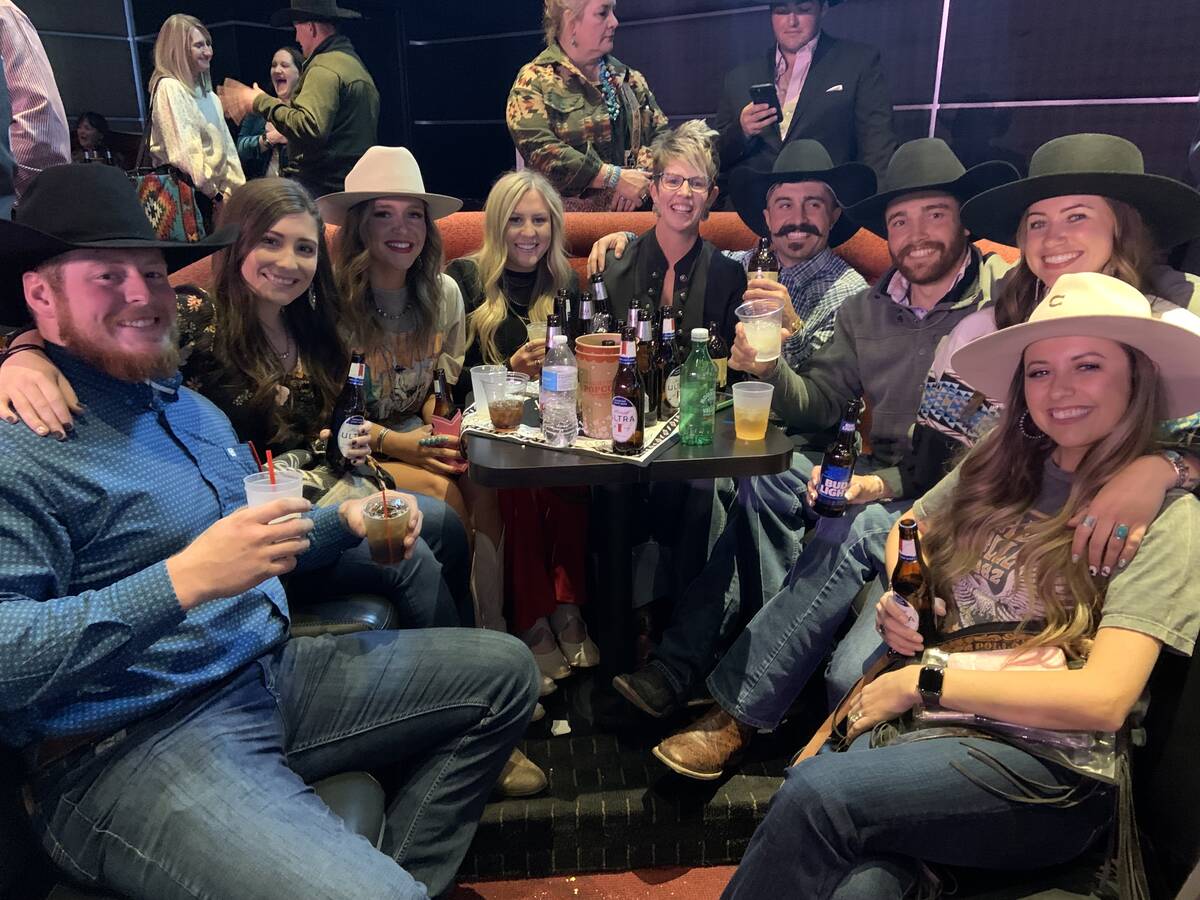
“There’s live music, then viewing parties, after-parties. Plus the activation of all the daily daytime events.”
Leading the way in those daytime events: Cowboy Christmas, which has a massive footprint over two floors in the Las Vegas Convention Center’s South Hall. Cowboy Christmas has grown into a shopping/entertainment/interactive festival, with a new presenting sponsor this year, in Pro Fantasy Rodeo. (Yes, there’s even fantasy rodeo, and it’s pretty popular.)
There are other cowboy/cowgirl/Western lifestyle expos and gift shows around town, as well, at The Plaza downtown, Rio Las Vegas, the Horseshoe on the Strip and of course at South Point.
There are also other competitive rodeo events taking place, including the massive World Series of Team Roping at South Point.
Tim Keener, who took over as Las Vegas Events president after Christenson’s 2023 retirement, has his fingerprints on every NFR since 2001. And his thoughts echo that of his former boss.
“December was a time to shut down a little bit, change the carpets and such. That slowly started to change once the NFR came here,” Keener said. “Every year, the reach of the NFR has grown. There are cowboy hats all over town, and every hotel seems to have found its niche.
“For those 10 days, from the time you wake up until the time you put our head on the pillow, there are things to do. This year, there are 128 concerts after-hours over the 10-day period.”
Keener gives much of the credit to the hotel-casinos all around town that go all in for rodeo.
“It’s a tribute to the hotels. While we may have brought the NFR to Vegas, they’ve really activated around it and given fans something to do throughout the day, for the entire 10 days,” Keener said. “Now, December is one of the busier times of the year.”
Bill McBeath, a longtime Vegas hotel/casino executive who most recently was CEO of The Cosmopolitan, saw all of the NFR’s impacts firsthand on the Strip. And he dropped a blast-from-the-past name who was critical in getting the NFR to Las Vegas.
“When Benny Binion, Michael Gaughan and others convinced the PRCA to move the NFR, we were bringing this world championship event to a city designed for energy, fun and celebration,” McBeath said. “Since then, the city has grown exponentially, and the demand for this event is incredible.”
McBeath, via his role as chair of Las Vegas Events, did his part to keep the Wrangler NFR here, negotiating three contract extensions. The last of those actually kicks in next year, keeping the NFR at the Thomas &Mack through 2035. McBeath is stunned at the progress.
“It’s not just the rodeo anymore,” he said. “They’ve created this incredible Western lifestyle event in December, which used to be the slowest time of the year. There are 18,000 seats in the arena, but a couple hundred thousand fans in town.”
All due to that one historic tiebreaking vote from Davis, who in 1986 became the NFR general manager, a role he held until retiring in 2019. After Davis took the NFR reins, it didn’t take long for the event to cement itself into the Las Vegas calendar.
“The first two years, it didn’t sell out, but it kept growing. In the third year, it sold out. Now, it’s the longest-running sold-out event in the history of Las Vegas,” Davis said. “That vote changed December in Las Vegas and changed the sport of rodeo forever.”